Sports stadiums are often framed as engines of civic pride, economic development, and shared spectacle. But what if they are something more consequential — and more complicated — than that?
In this episode, we’re joined by University of Vermont professor Helen Morgan Parmett, author of "Stadium City: Sports and Media Infrastructure in the United States", for a wide-ranging conversation that rethinks stadiums not merely as venues for games, but as powerful urban media infrastructures shaping how cities function, govern, and imagine themselves.
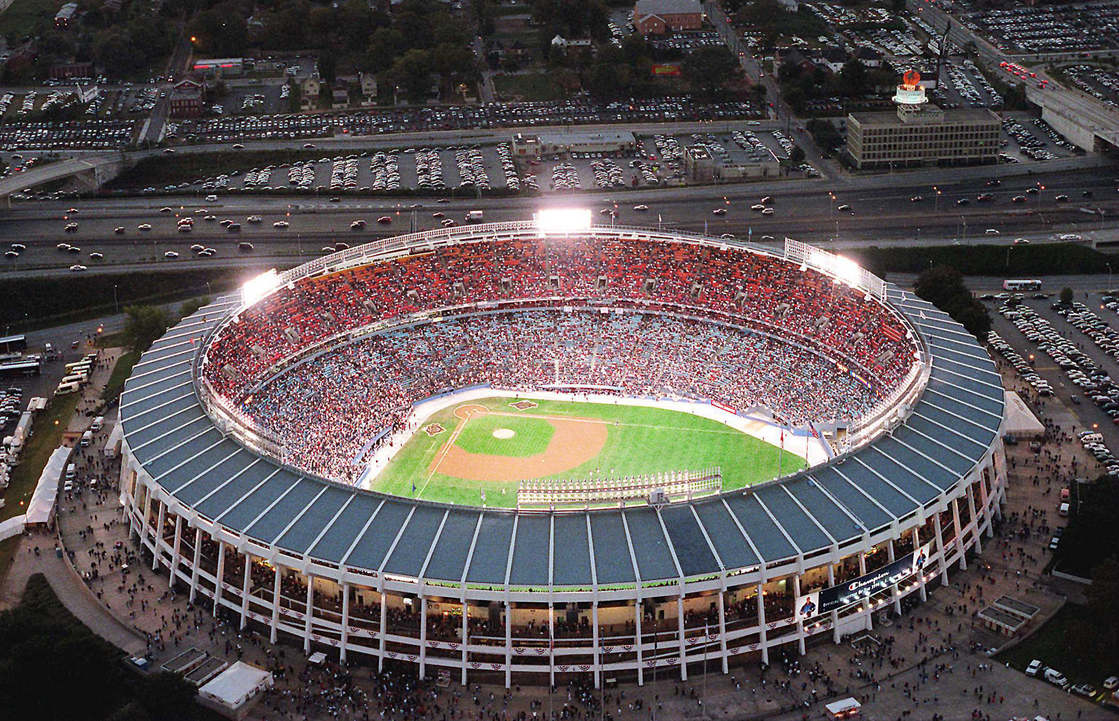
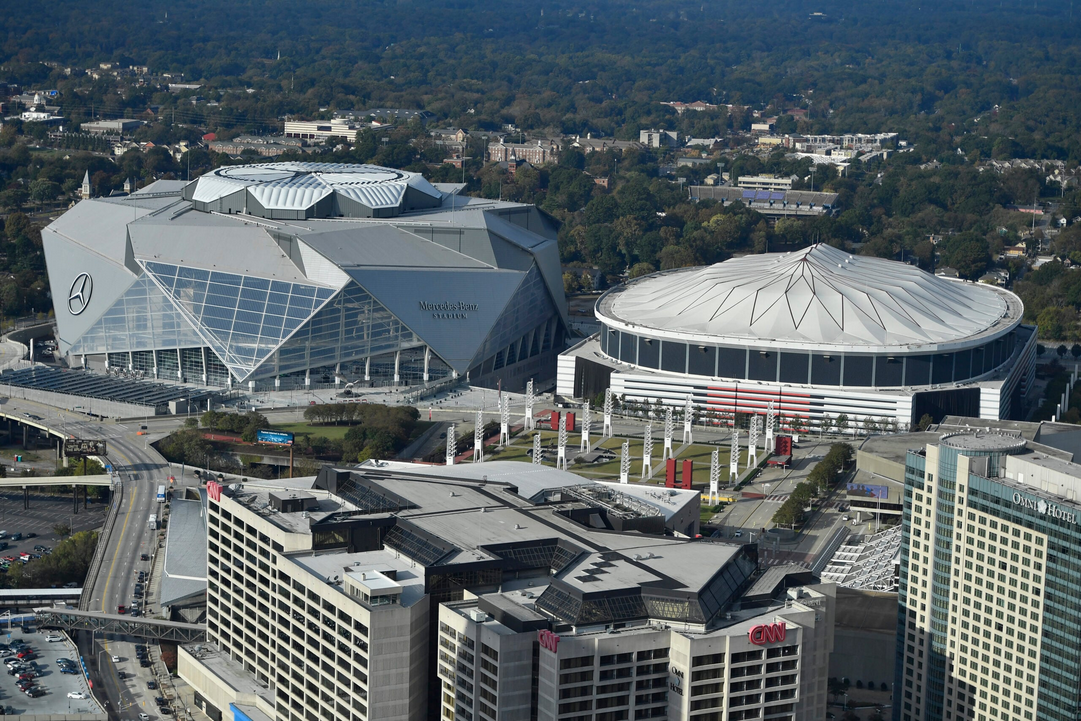
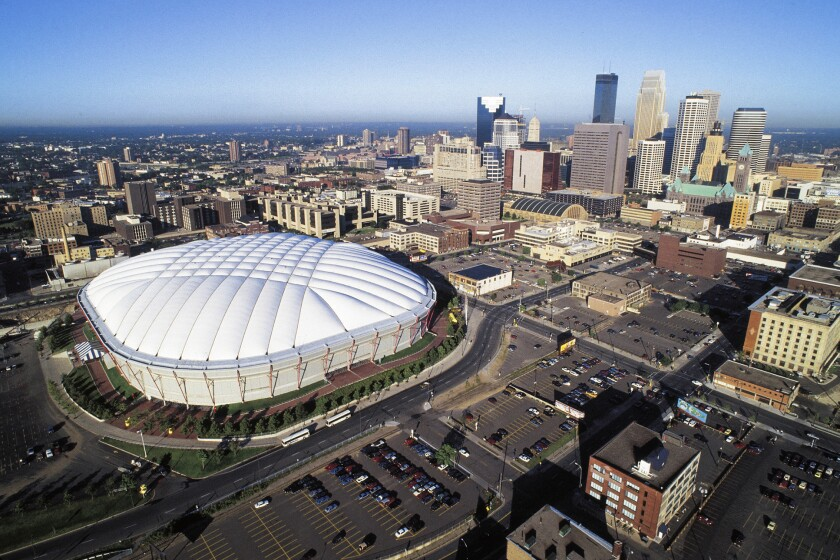
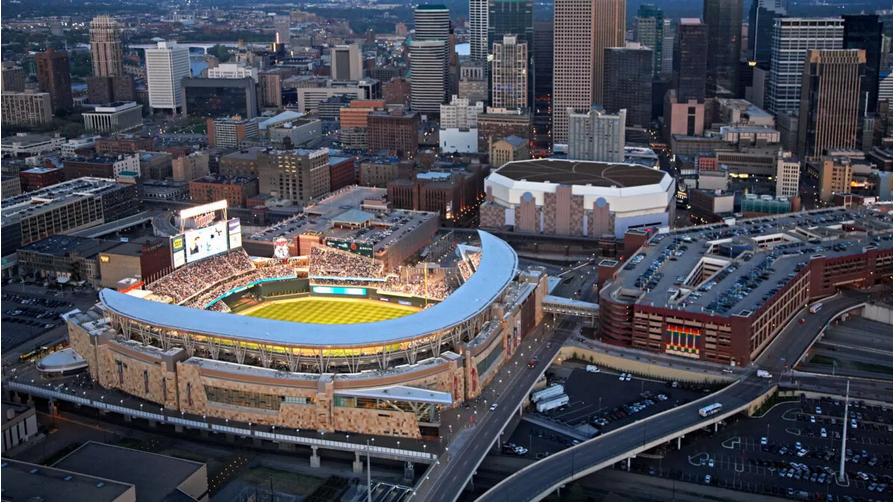
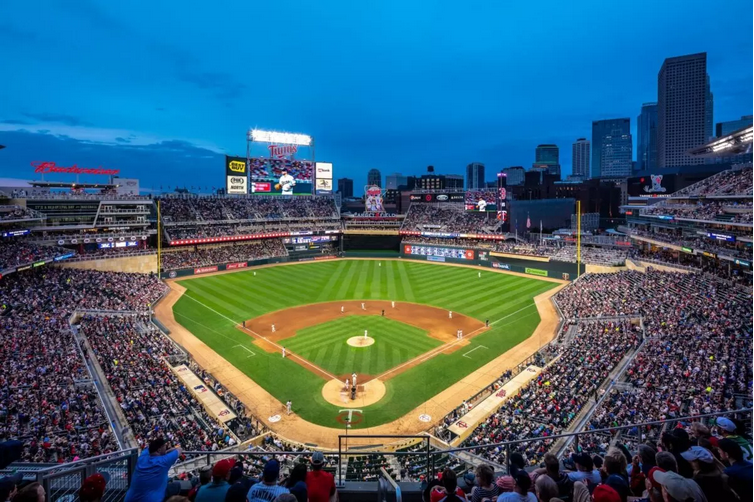
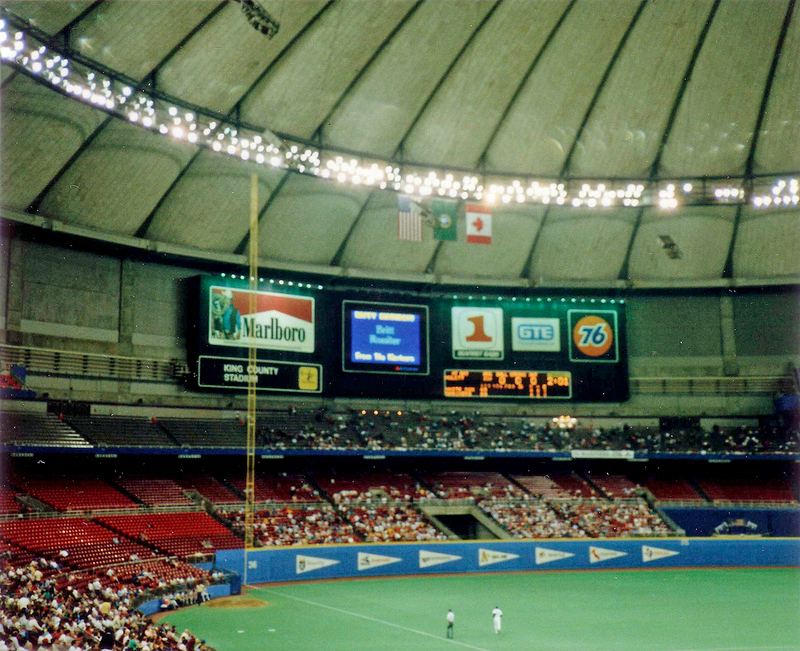
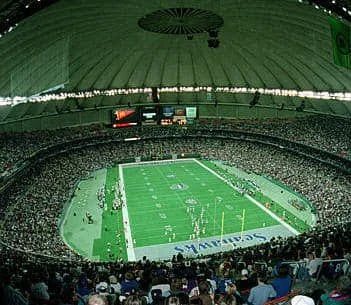
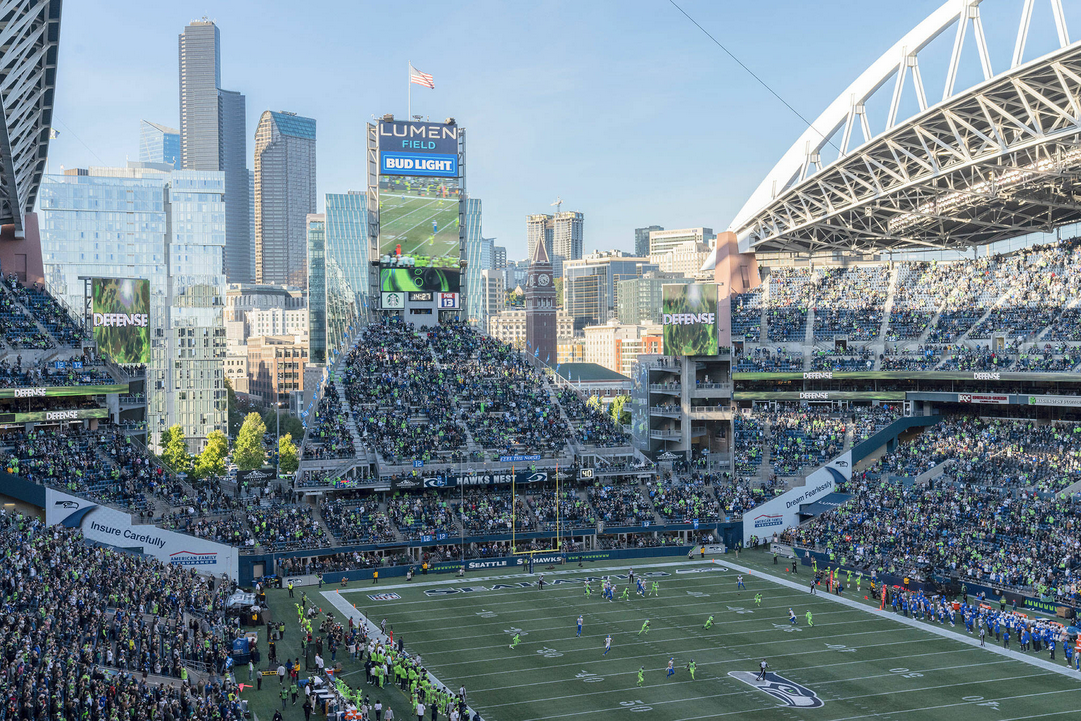
Drawing on case studies from Atlanta, Seattle, and Minneapolis, Parmett explores how modern stadiums operate as connective nodes linking sports, media systems, urban planning, political power, and civic identity. We discuss her concept of the “sportification of place” — the idea that cities increasingly organize space, culture, and public investment around sports and spectacle — and how broadcast media, branding, and digital platforms amplify the influence of these massive projects far beyond game day.
Our conversation examines what stadium development reveals about who cities are built for, how public resources and attention are allocated, and how issues of race, class, governance, and belonging are deeply embedded in sports infrastructure. We also explore how everyday civic voices — not just those of team owners and politicians — surface tensions over access, identity, and urban priorities.
This episode offers a deeper look at stadiums as contested civic spaces — where entertainment, media power, and urban life collide — and considers what their rise reveals about the modern American city.