EPISODE 419: Basketball "Prophet" Moses Malone - With Paul Knepper

The story of Moses Malone is one of basketball’s most remarkable - and underappreciated - journeys. Rising from poverty in segregated Petersburg, Virginia, in the early 1970s, Malone became the first modern player to jump straight from high school to the pros, quickly establishing himself as one of the game’s most dominant forces. A three-time NBA MVP, relentless rebounder, and driving presence behind the rise of the early 1980s Houston Rockets and the Philadelphia 76ers’ 1983 league championship, Malone redefined greatness - quietly, humbly, and unstoppably.

This week, biographer Paul Knepper, author of "Moses Malone: The Life of a Basketball Prophet," joins us to explore the man behind the legend and how his life reshaped both the sport and professional basketball culture.

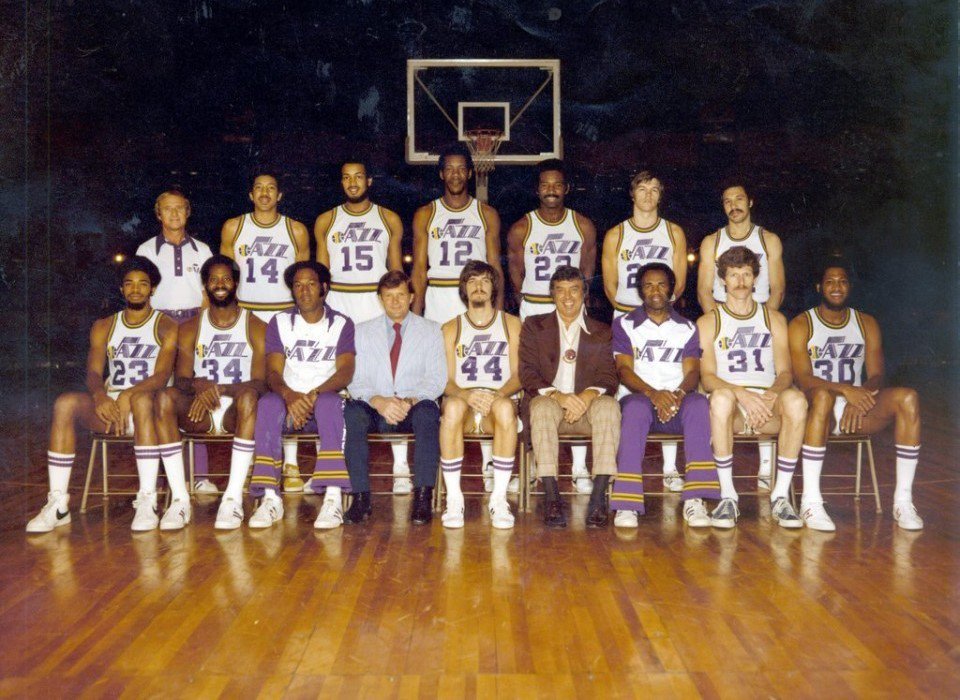
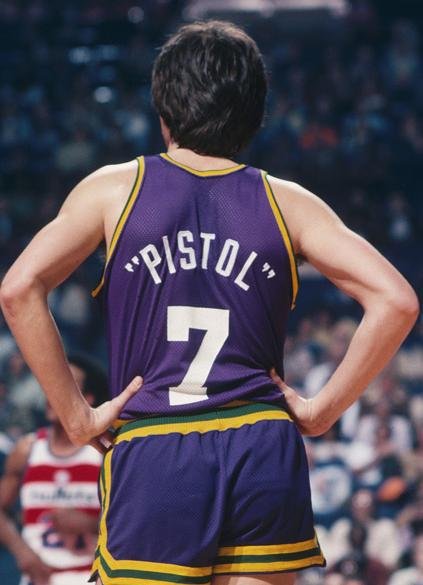
Knepper traces Malone’s rise from a modest upbringing to his groundbreaking 1974 leap to the American Basketball Association’s Utah Stars - an unprecedented move that paved the way for future hoops prodigies like Kobe Bryant, Kevin Garnett, and LeBron James. On the court, Malone was a tireless worker, perennial All-Star, and the most dominant offensive rebounder in league history. Off it, the “Chairman of the Boards” quietly mentored rising stars like Charles Barkley and Hakeem Olajuwon, showing that greatness could coexist with humility.

Through rare interviews and meticulous research, Knepper restores Malone’s rightful place in basketball history - not just as a Hall of Famer, but as a "prophet" of professionalism, perseverance, and quiet excellence.

PLUS: Your chance to win a copy of "Moses Malone" via this week's trivia contest!

AND: Is the new Amazon Prime NBA theme song "Victory" better than John Tesh's iconic "Roundball Rock"? You make the call!

Moses Malone: The Life of a Basketball Prophetbuy book here

EPISODE 244: "Dixieball" - With Thomas Aiello

Valdosta State University Professor of History and African American Studies Thomas Aiello ("Dixieball: Race and Professional Basketball in the Deep South") joins our first podcast of the New Year - with an intriguing look into the tortuous history of pro hoops in America's Deep South.

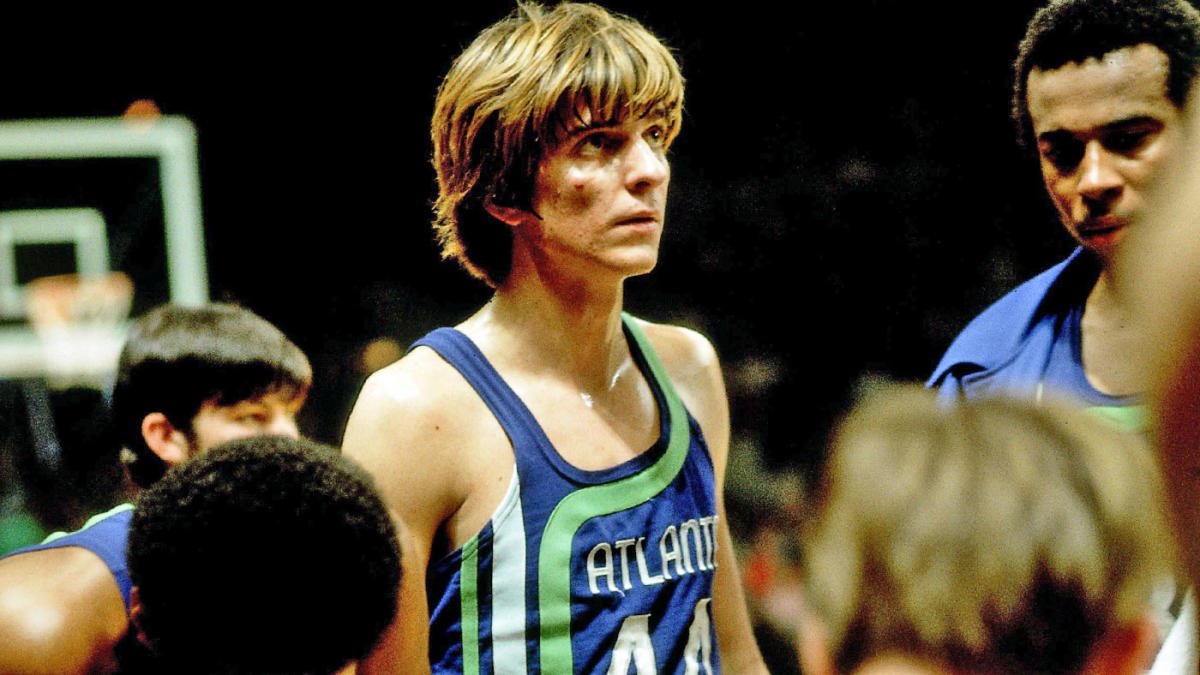
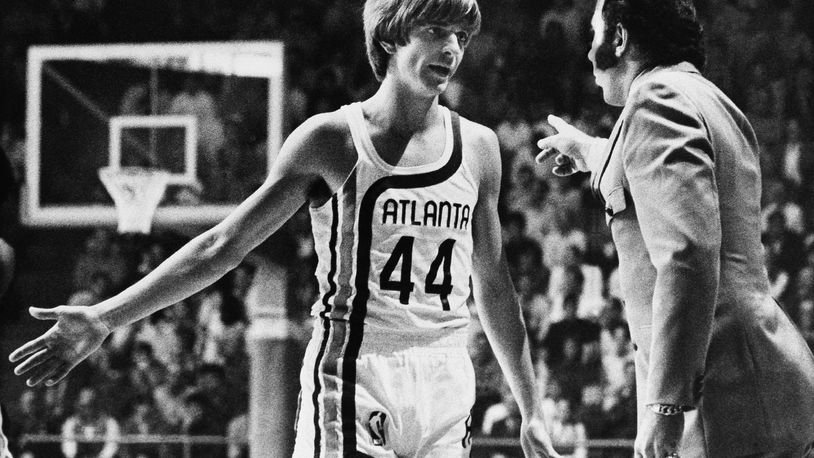
While NBA fans take today's Hawks and Pelicans as historical "givens," their very existences belie the Sunbelt South's complicated economic and social relationship with professional sports during the modern era - especially with respect to basketball.

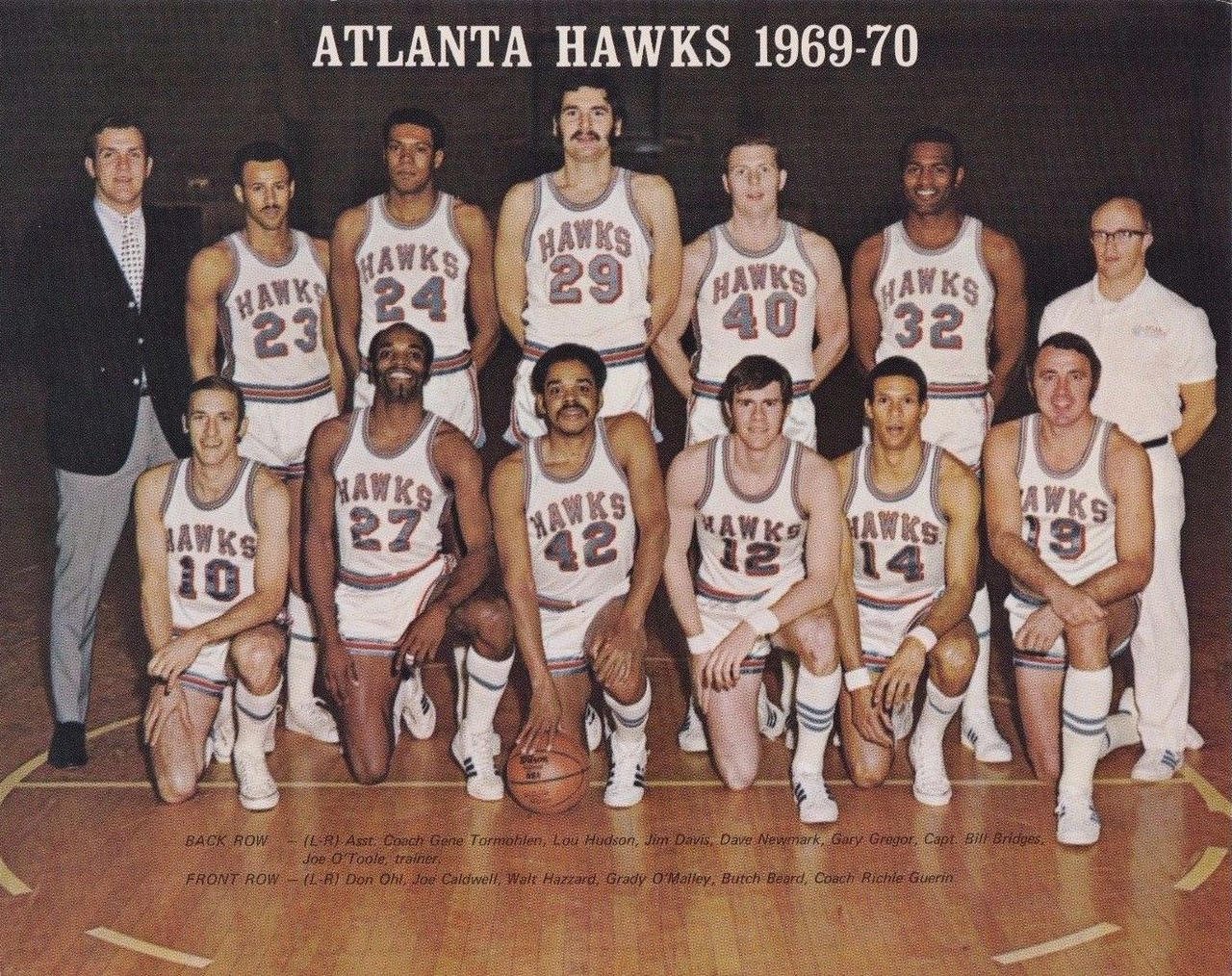
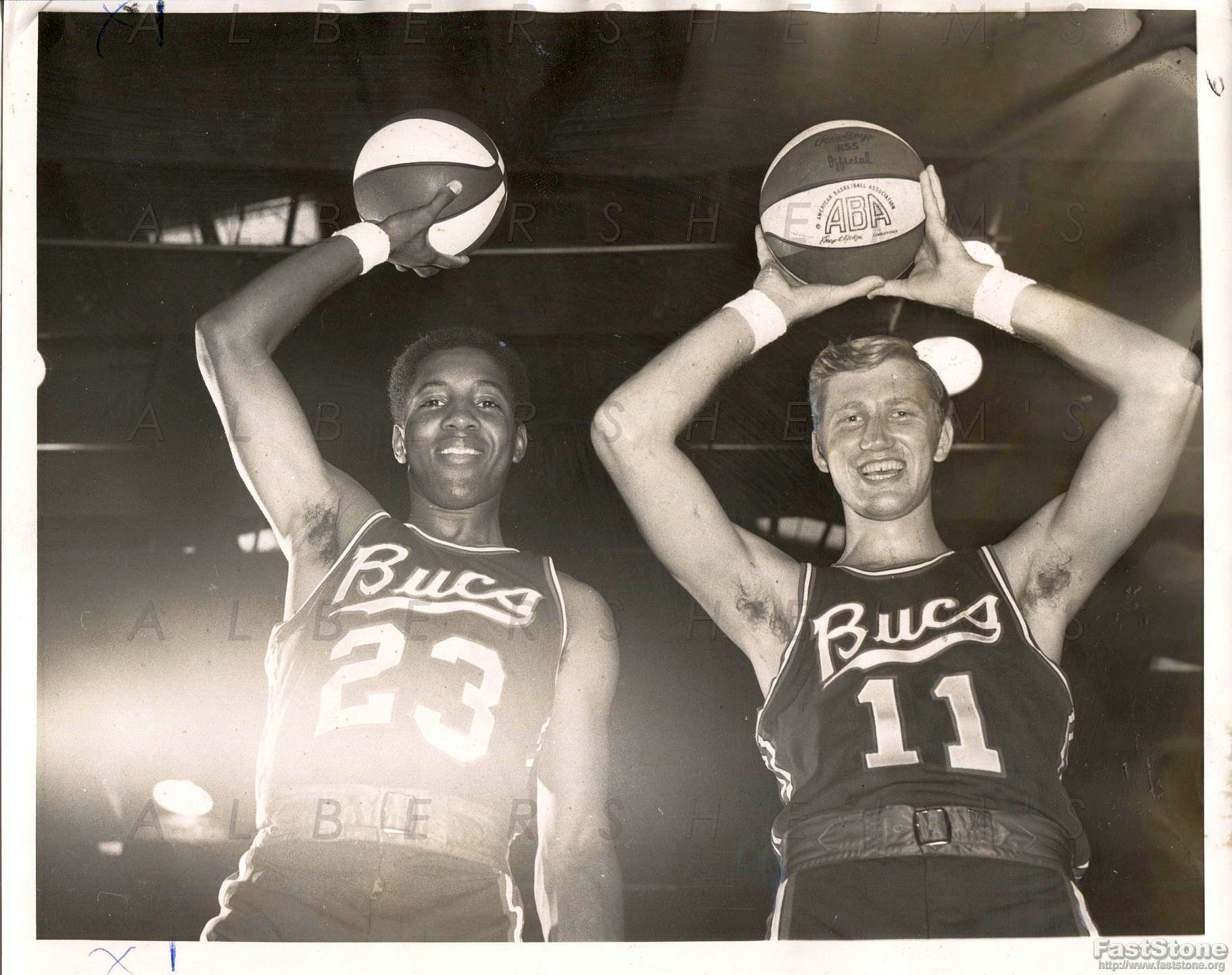
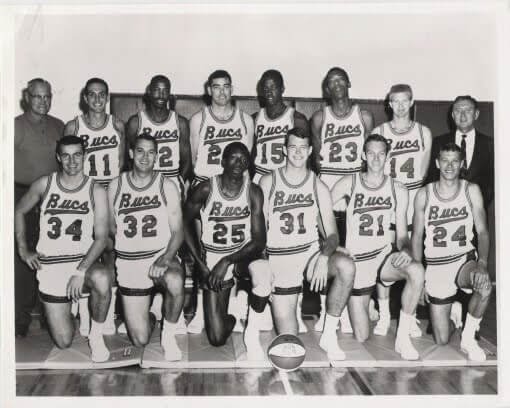
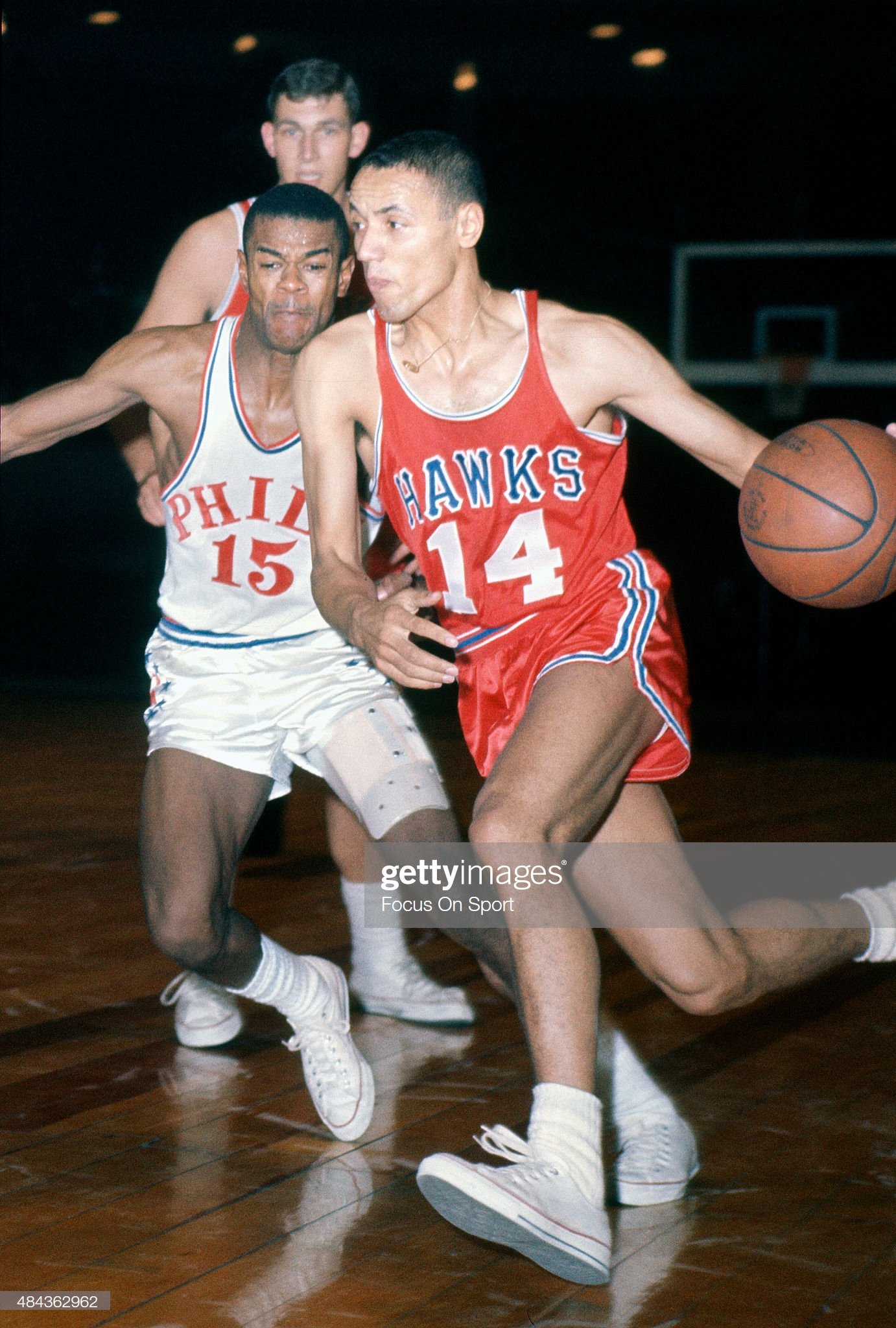
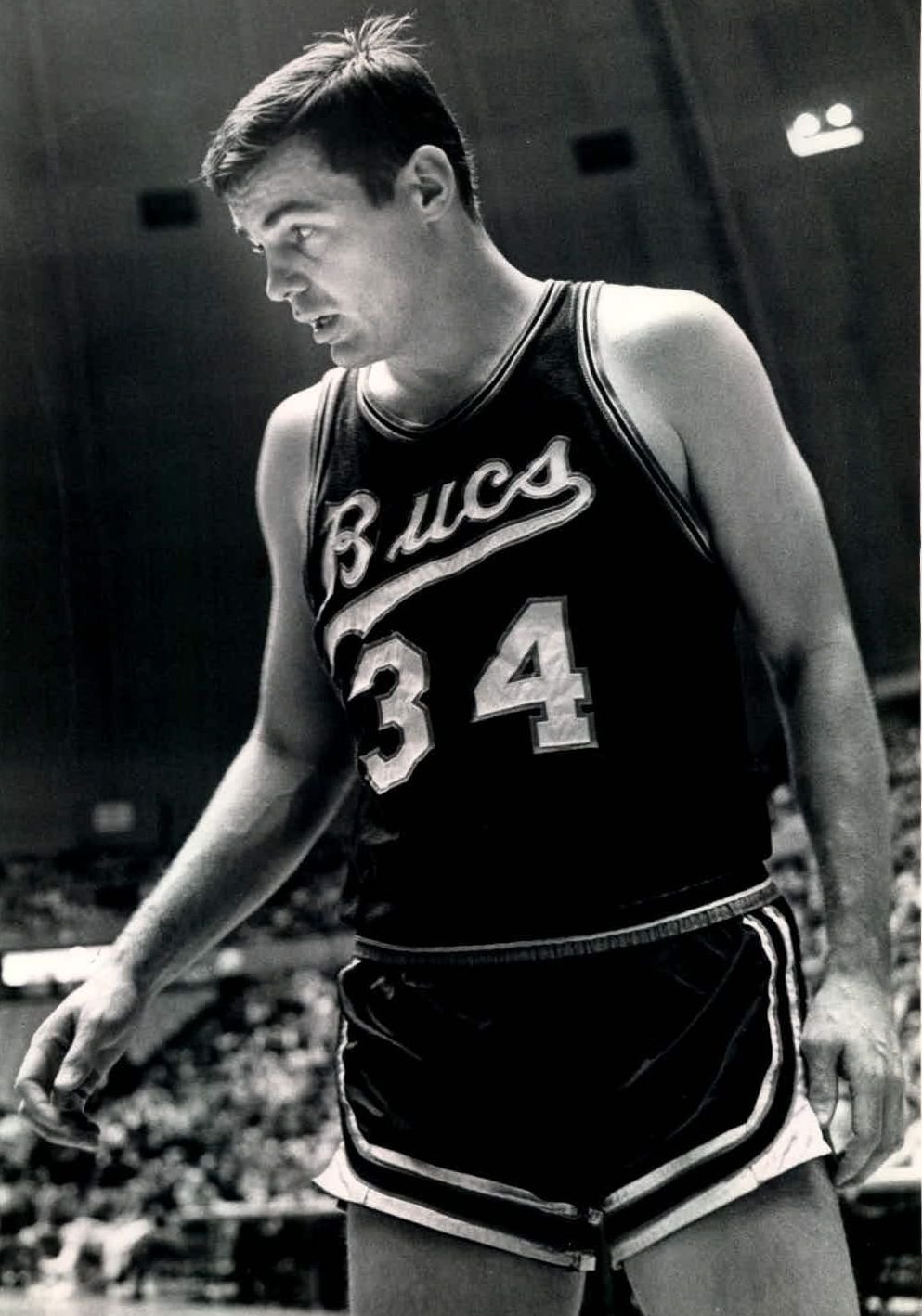
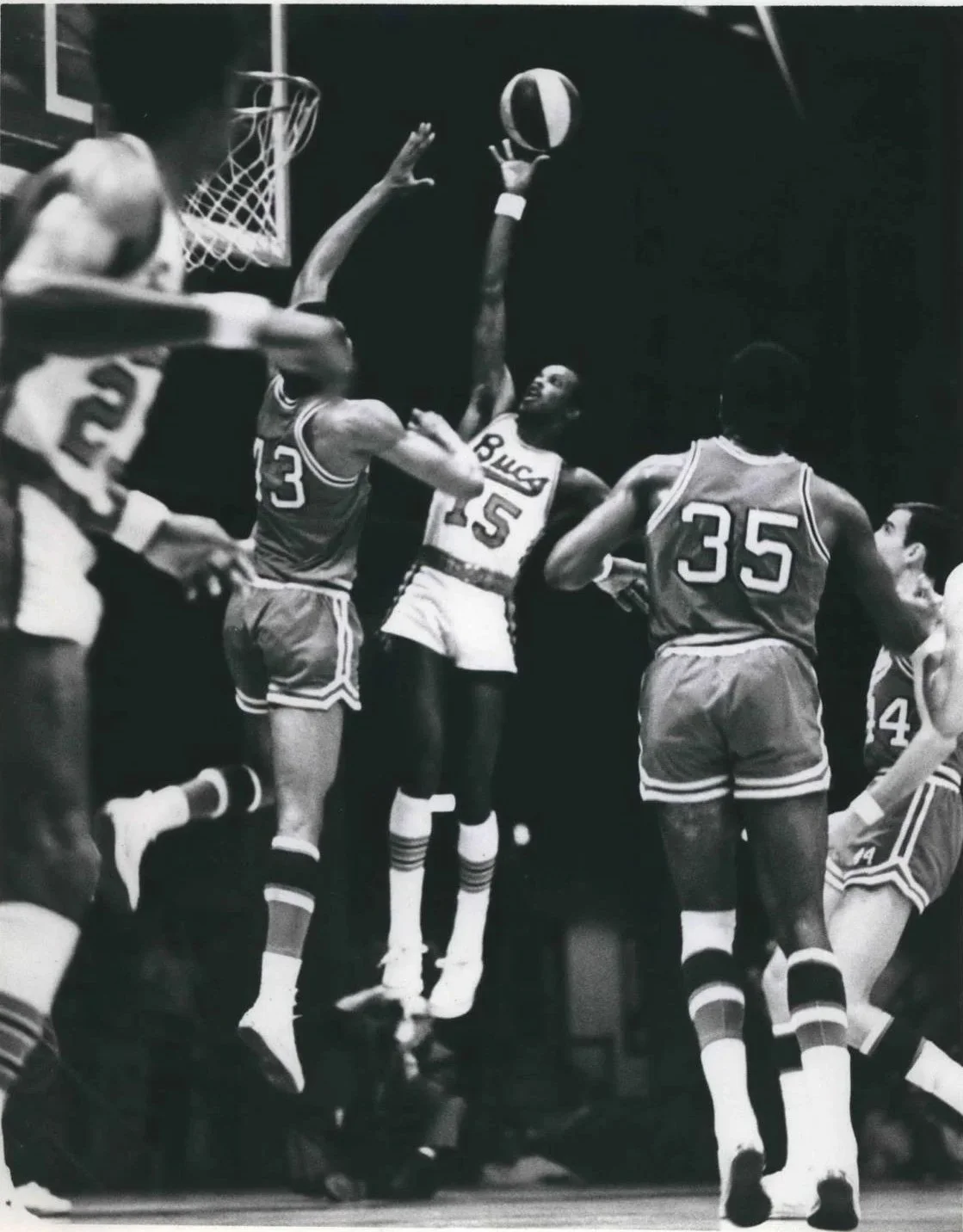
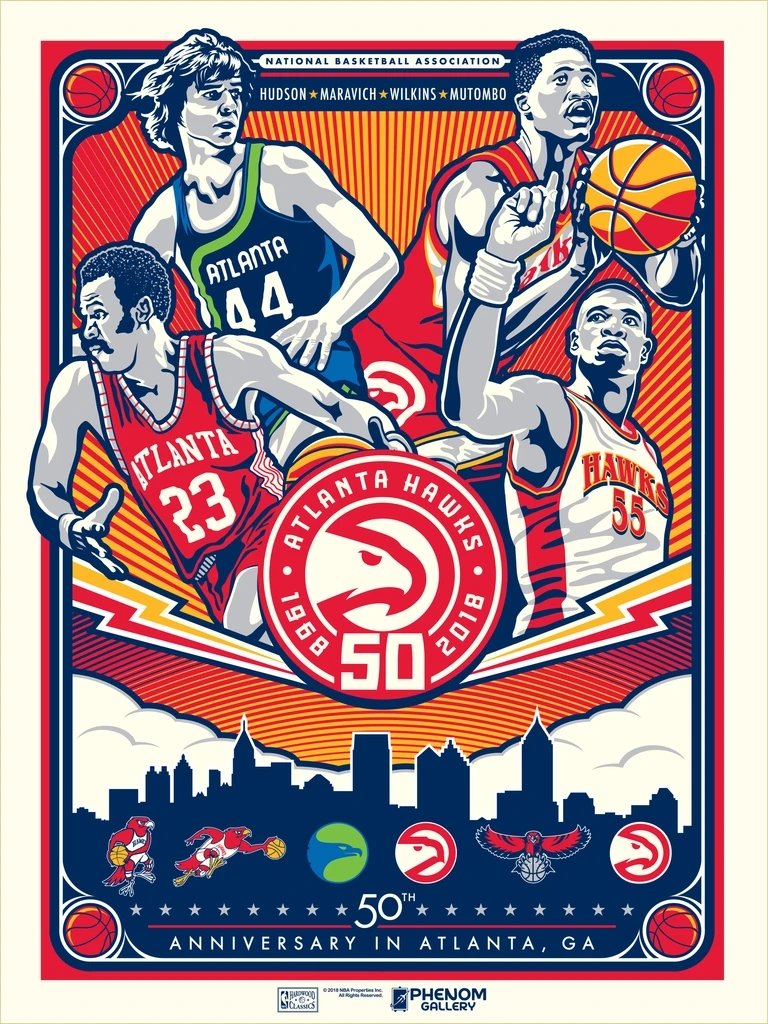
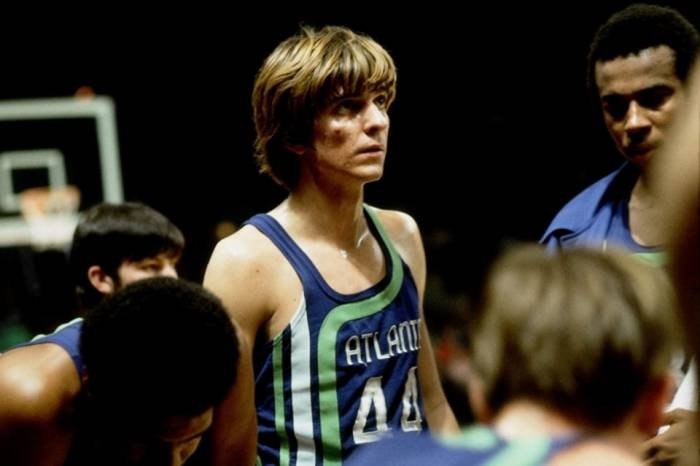
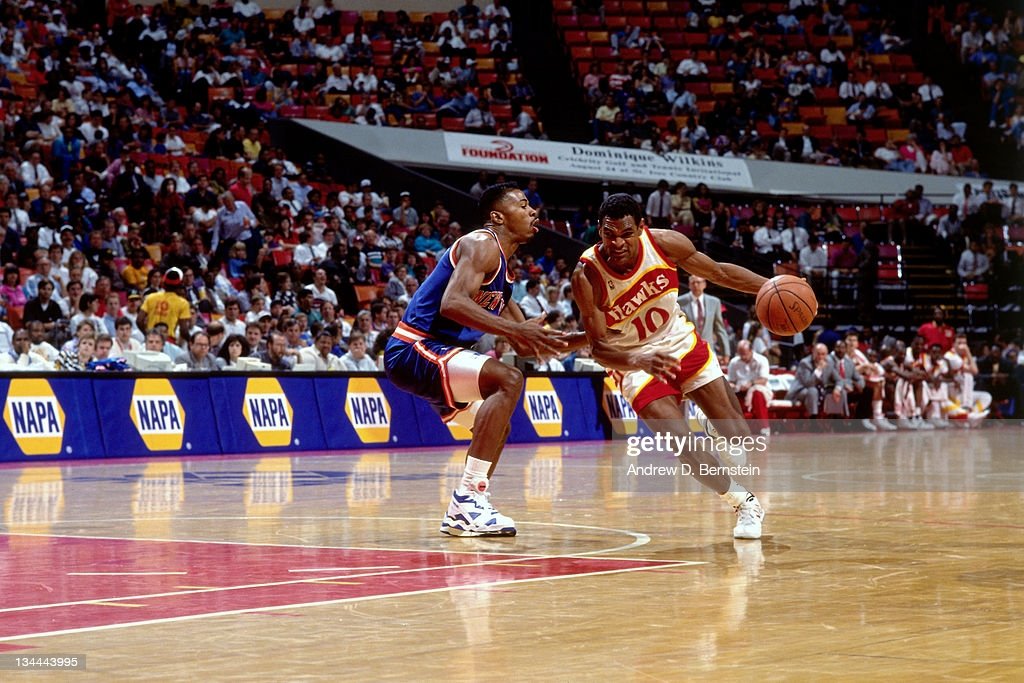
We dig into the sport's tenuous first professional incursions into both New Orleans (the ABA's charter Buccaneers) and Atlanta (the NBA's relocated St. Louis Hawks) during the culturally and politically charged late-1960s - as well as why it took so long for those franchises to even materialize in the first place.

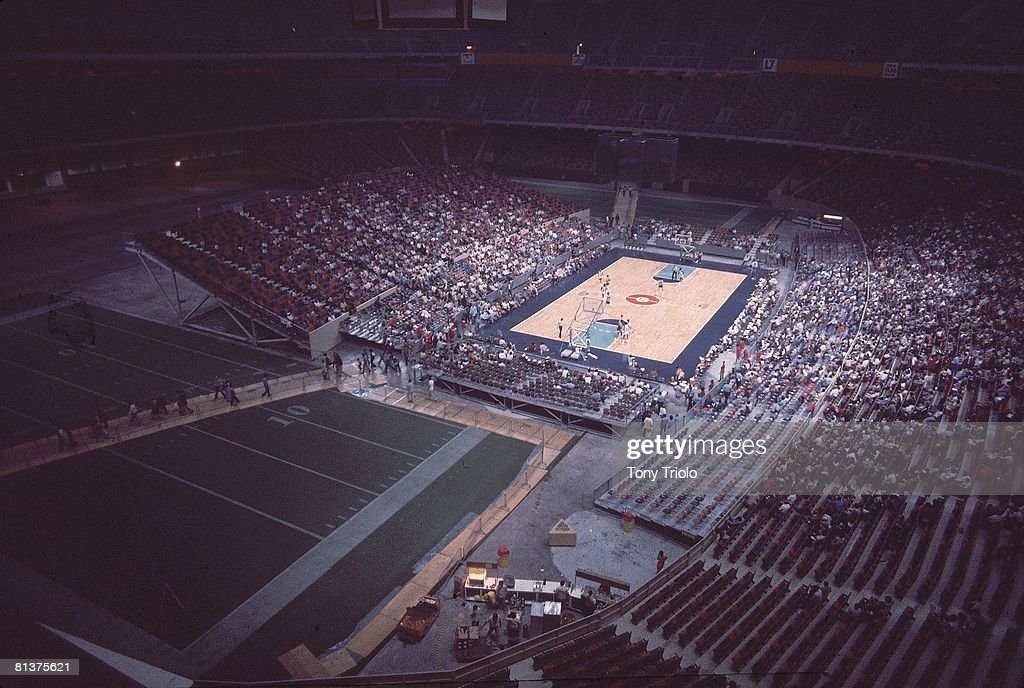
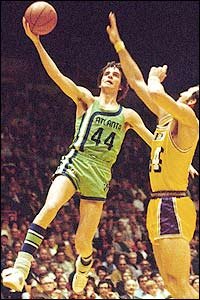
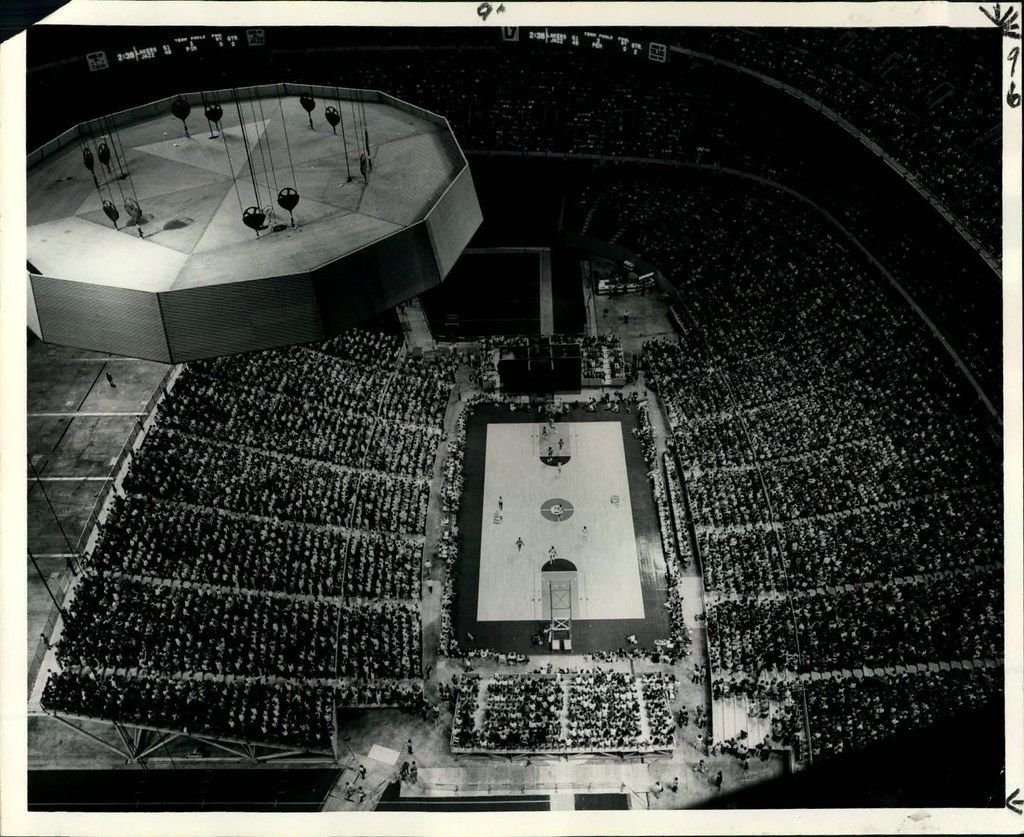
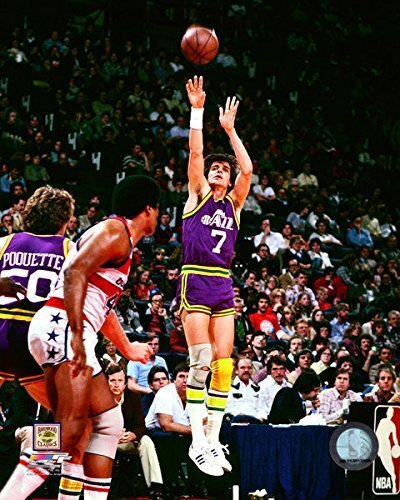
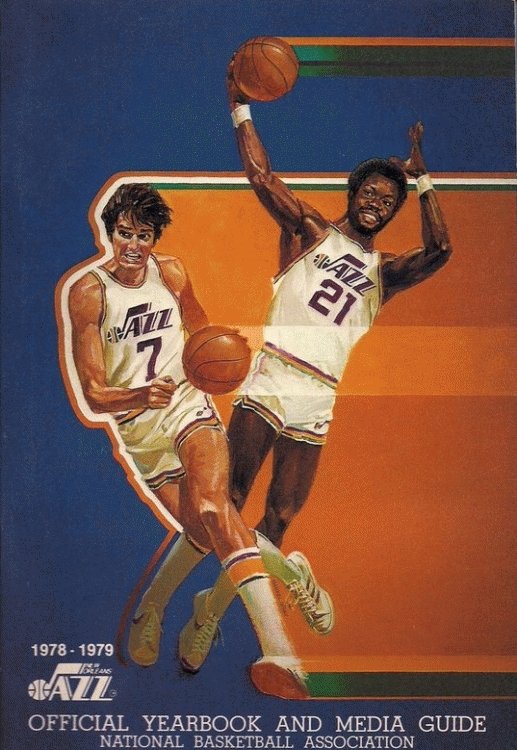
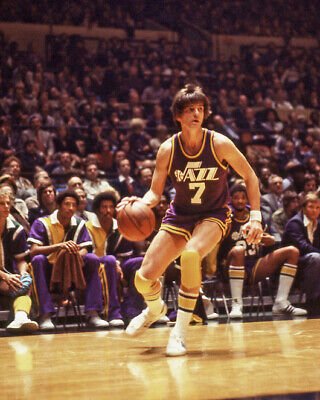
​Aiello also takes us through the similarly challenged exploits of the NBA's New Orleans Jazz (today domiciled in Utah) of the 1970s - who, despite the dazzling on-court wizardry of adopted LSU native son Pete Maravich, found the going in the Big Easy to be anything but.

Dixieball: Race and Professional Basketball in the Deep South, 1947-1979 - buy book here

EPISODE 237: Pro Sports in Atlanta - It's Complicated (With Clayton Trutor)

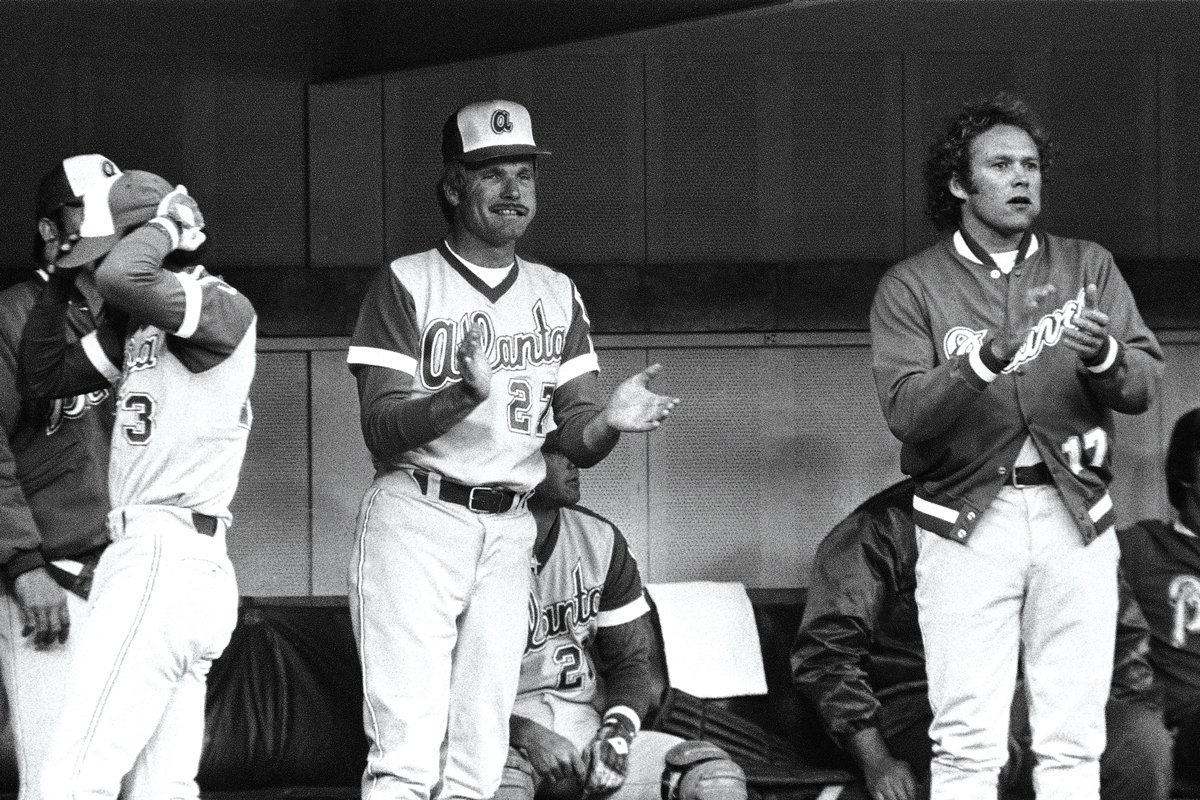
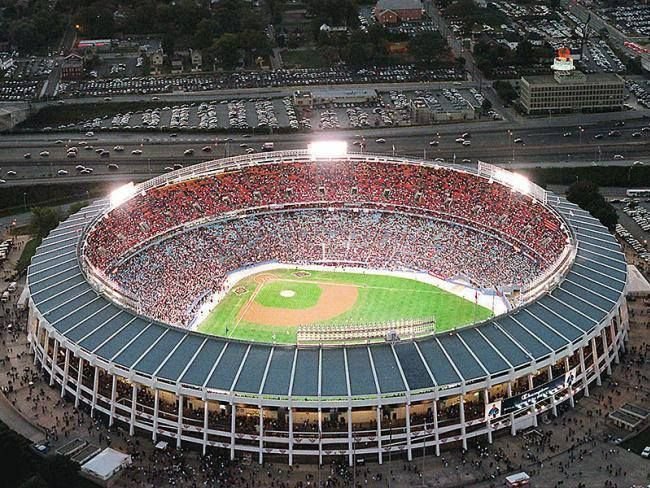
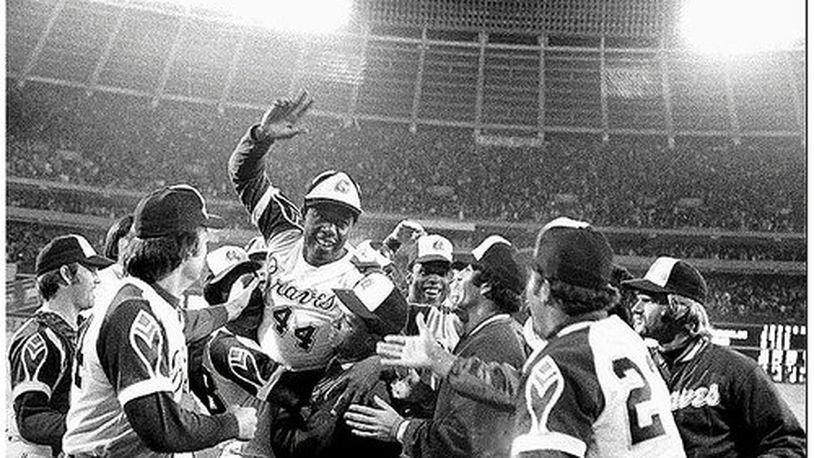
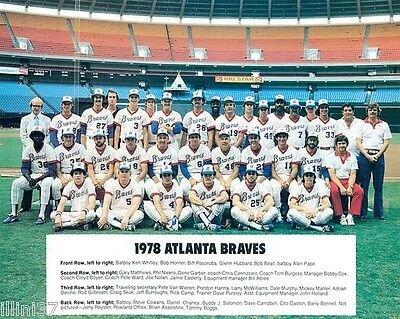
By the time you hear this week's episode, the Atlanta Braves just may be celebrating their second-ever World Series trophy since moving from Milwaukee in 1956. 

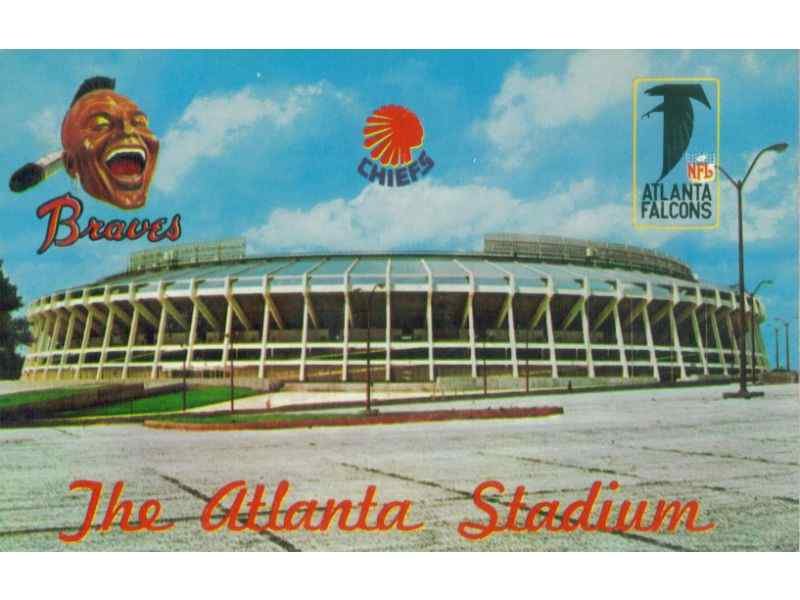
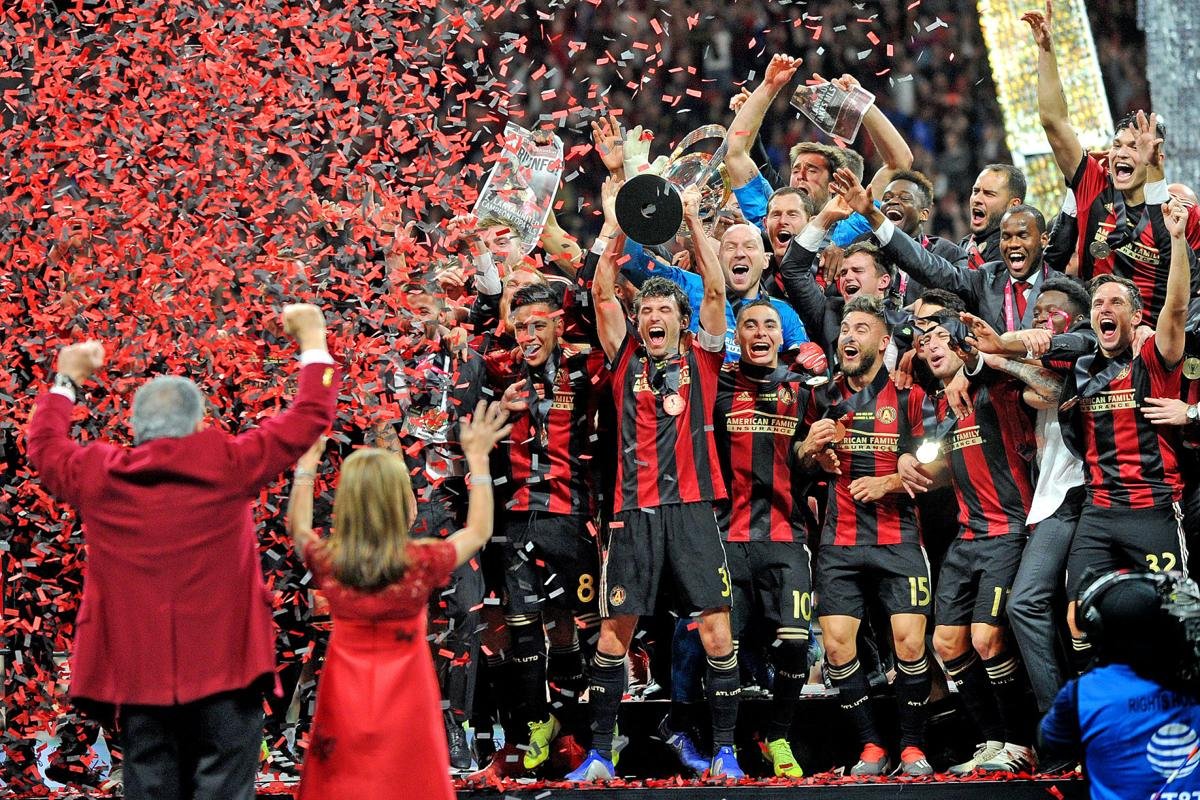
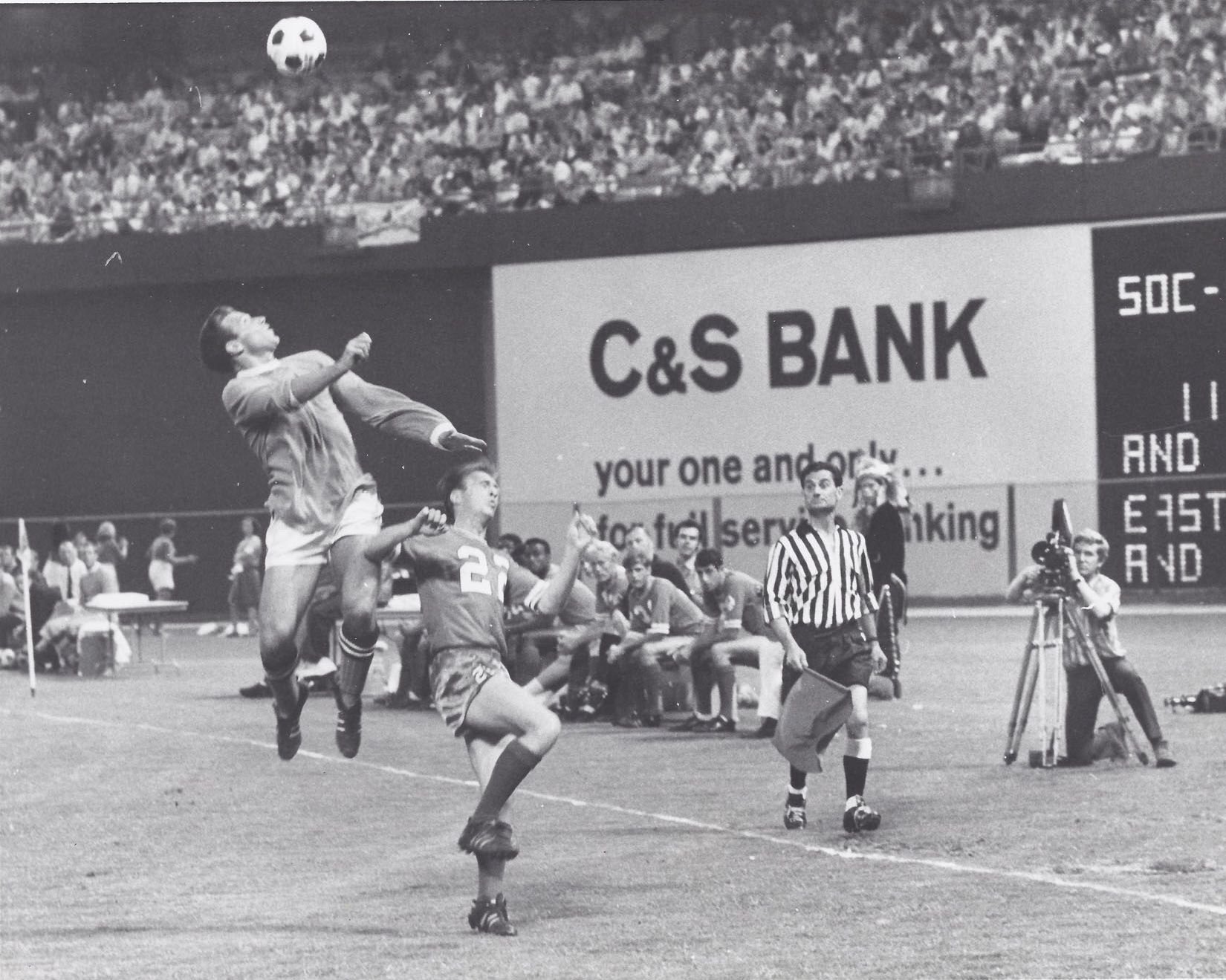
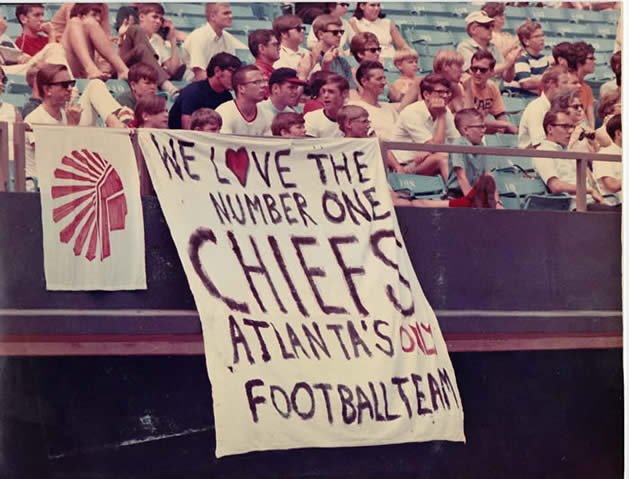
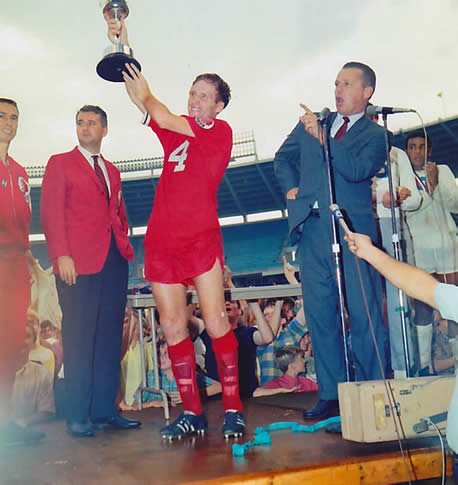
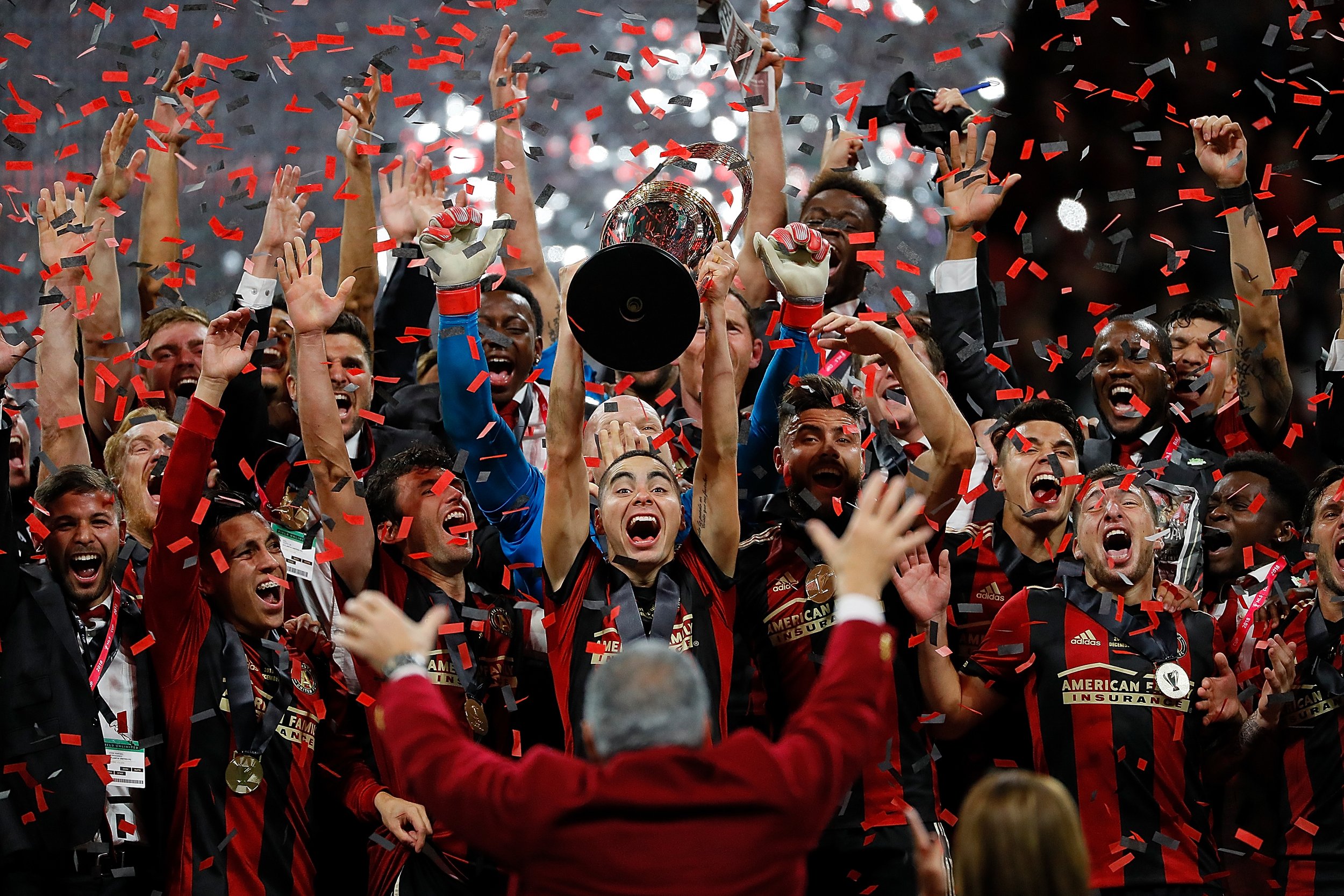
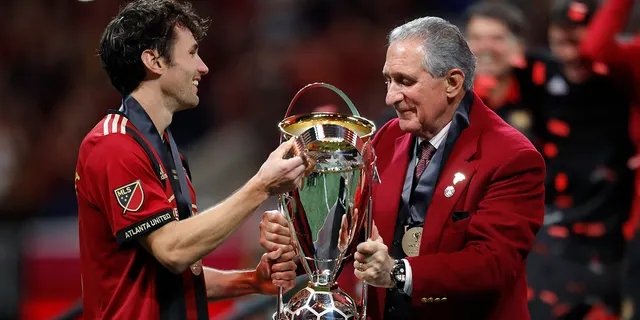
If so, it would be the team's first title in 26 years, and only the second time in the region's modern sports history - or fourth, if you include the titles won by the now-defunct NASL's Atlanta Chiefs in 1968 and Major League Soccer's Atlanta United three years ago - that "The ATL" has been able to boast of any true major pro sports championship. 

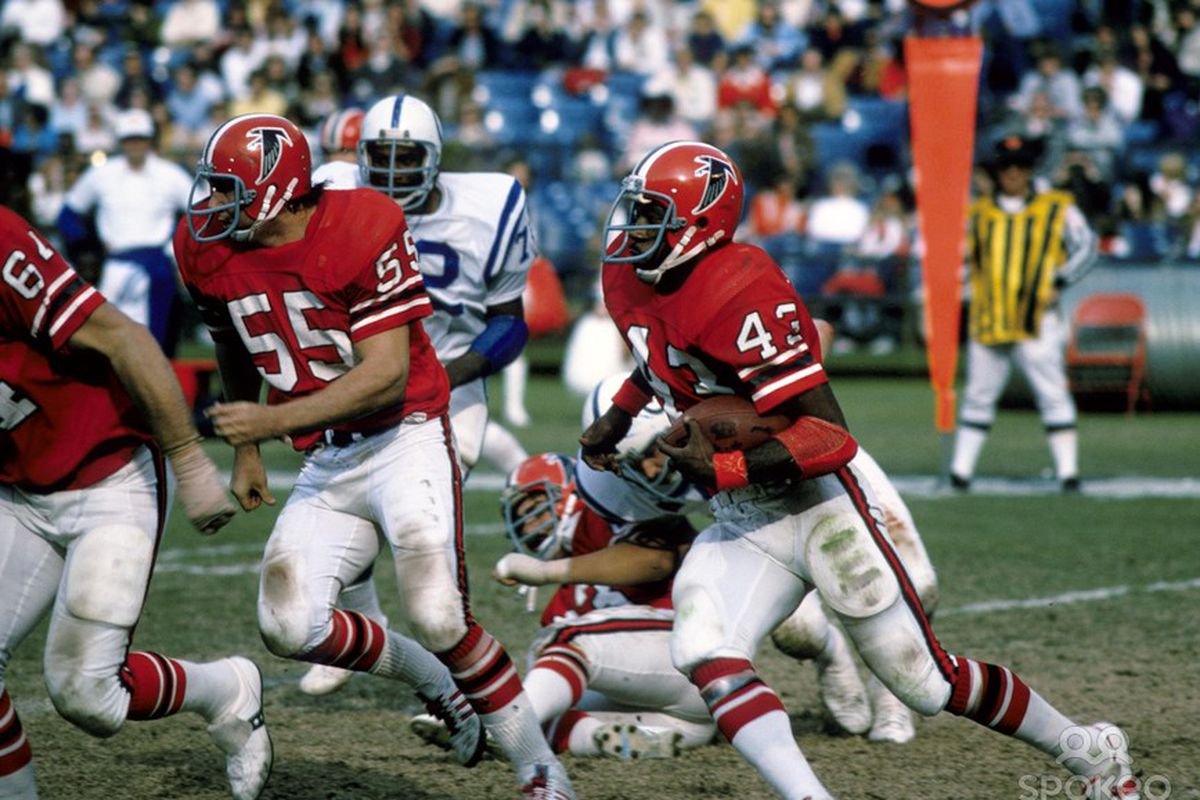
That kind of futility can make any sports fan question their sanity, and as this week's guest Clayton Trutor ("Loserville: How Professional Sports Remade Atlanta―and How Atlanta Remade Professional Sports") tells us - in Atlanta's case, that self-doubt dates all the way back to the mid-1970s when one of its major newspapers dubbed the city "Loserville, USA".

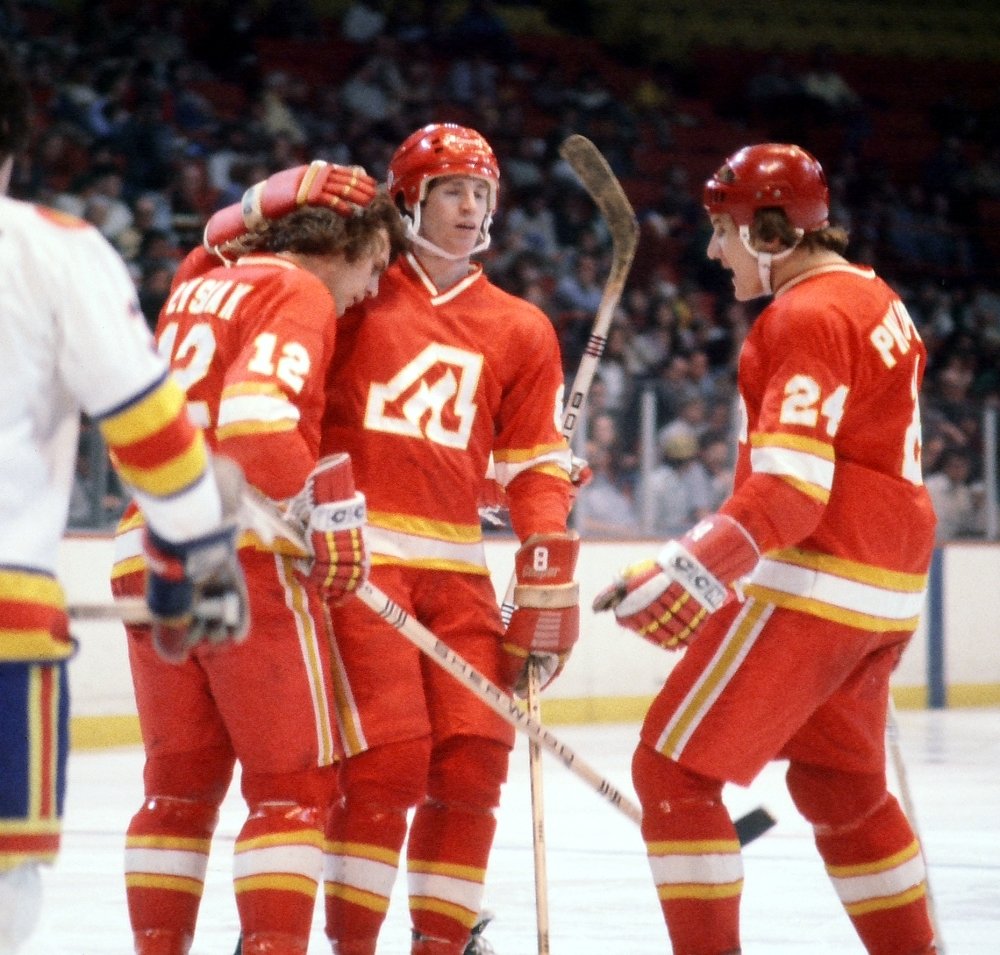
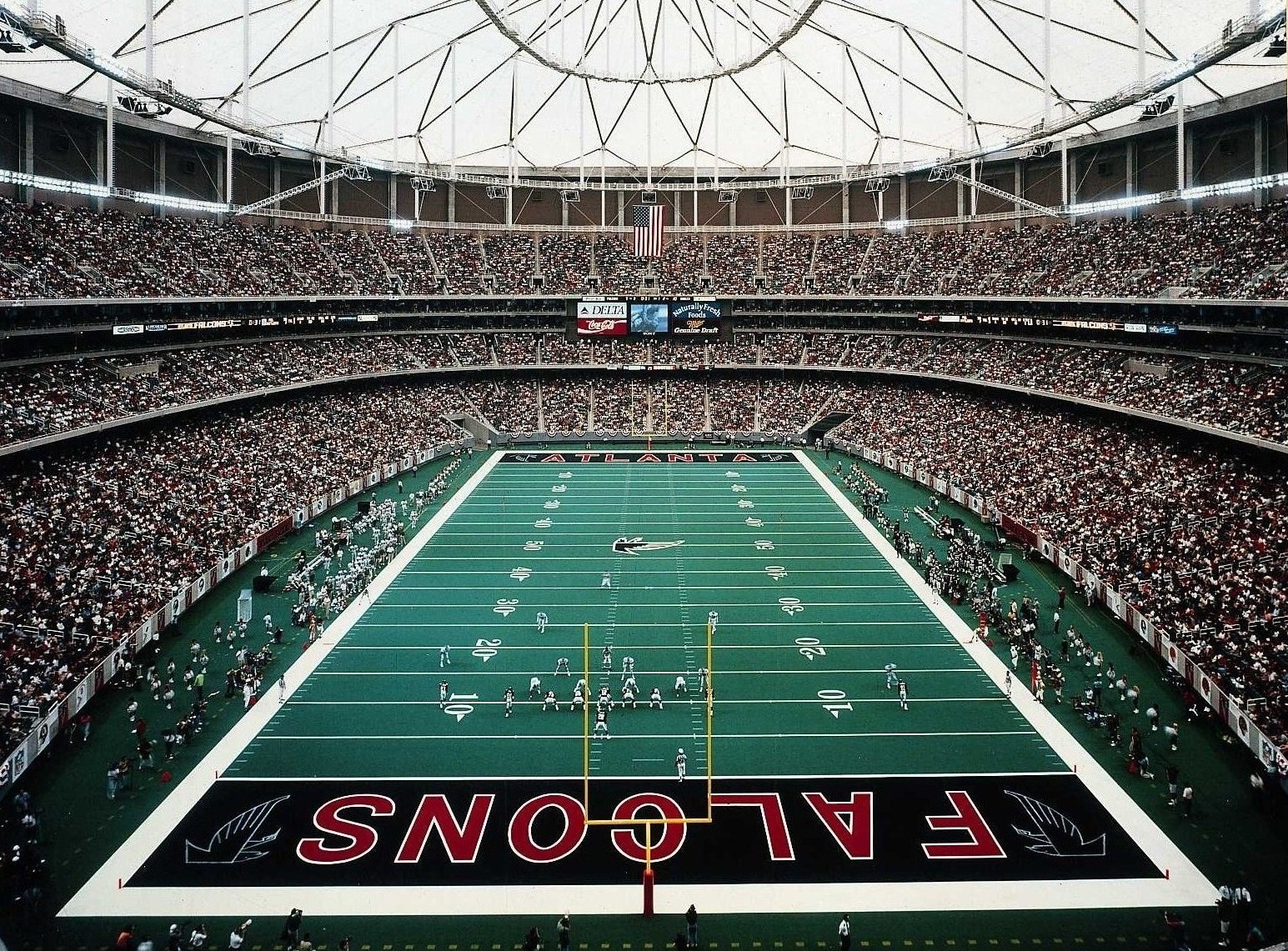
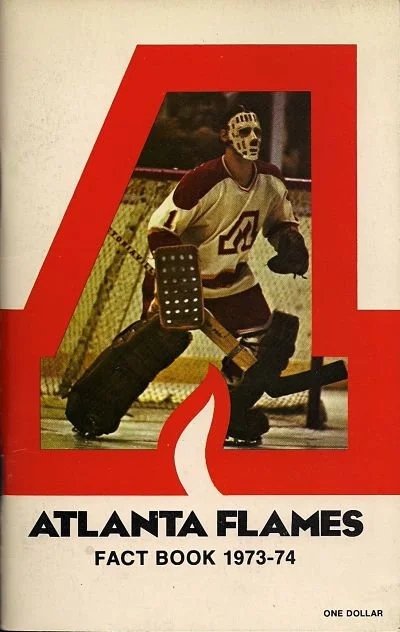
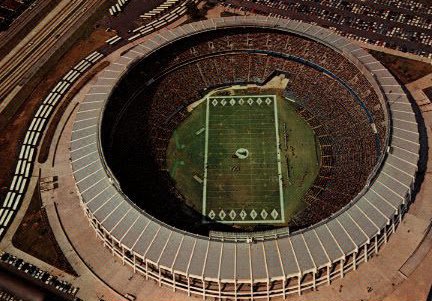
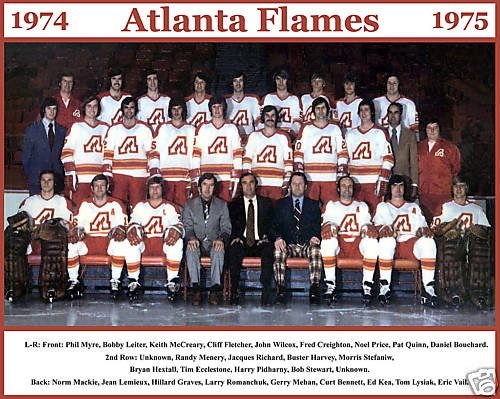
As Trutor describes it, Atlanta's excitement around the arrival of four professional franchises during a dynamic six-year (1966-72) period quickly gave way to general frustration and, eventually, widespread apathy toward its home teams.  By the dawn of the 80s, all four of the region's major-league franchises were flailing in the standings, struggling to draw fans - and, in the case of the NHL's Flames, ready to move out of town.

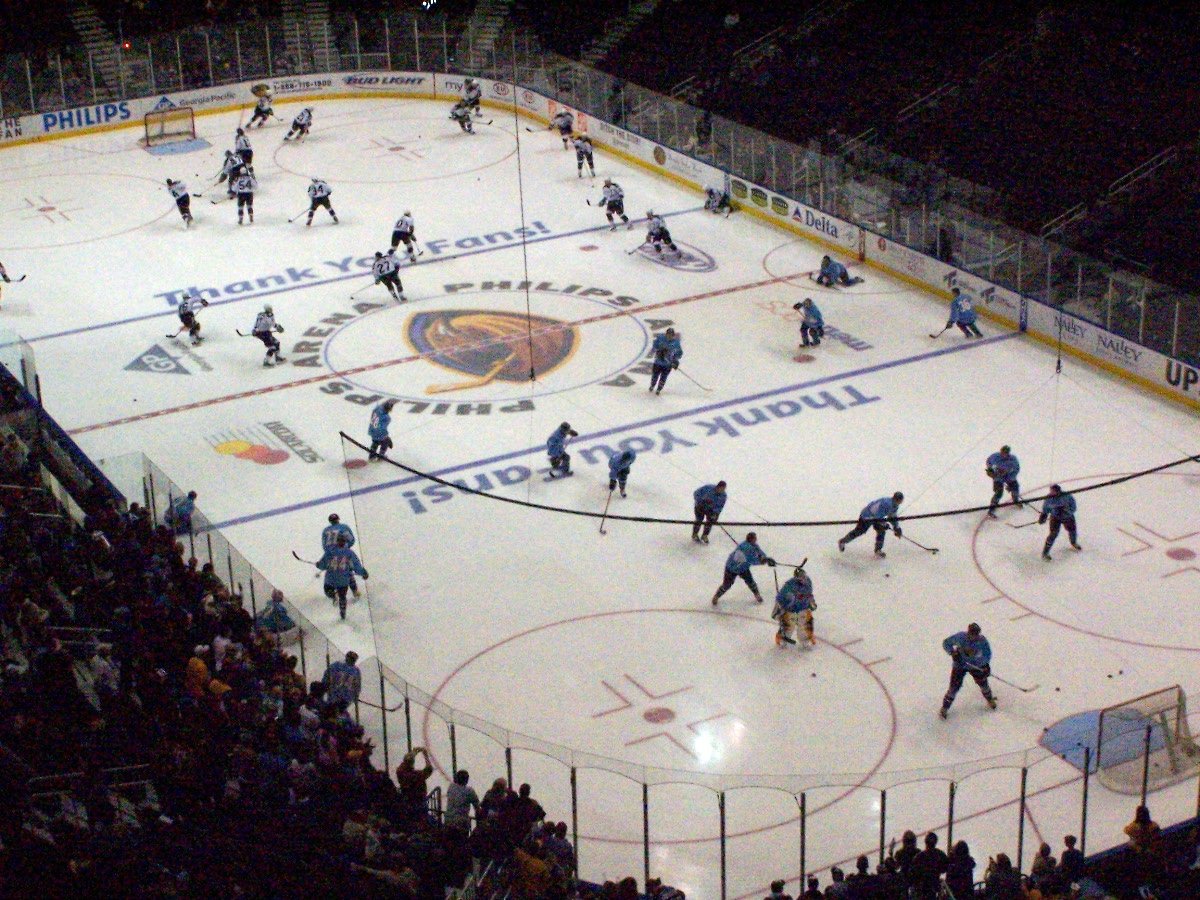
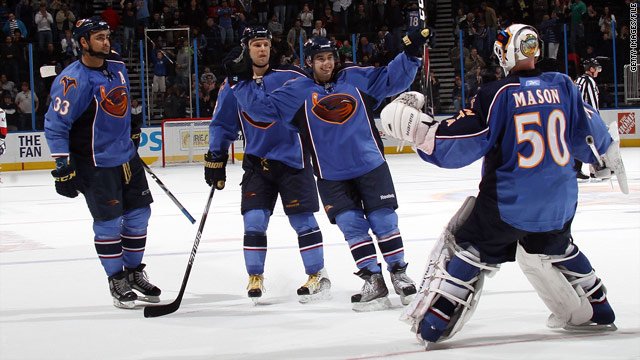
While that indifference/malaise has dissipated somewhat in the decades since then (save for a second attempt at the NHL with the short-lived Thrashers), the dearth of team titles continues to loom over Atlanta's pro sports scene.

The resurgent Braves and their paradigm-changing Truist Park complex may just help change all that.

Loserville: How Professional Sports Remade Atlanta - And How Atlanta Remade Professional Sports - buy book here