EPISODE 442: "Baseball's Outcast: The Story of Ron LeFlore" - With Adam Henig

Ron LeFlore’s trajectory from a maximum-security prison cell to starting in Major League Baseball's All-Star Game is a narrative of improbable survival and self-inflicted exile. 

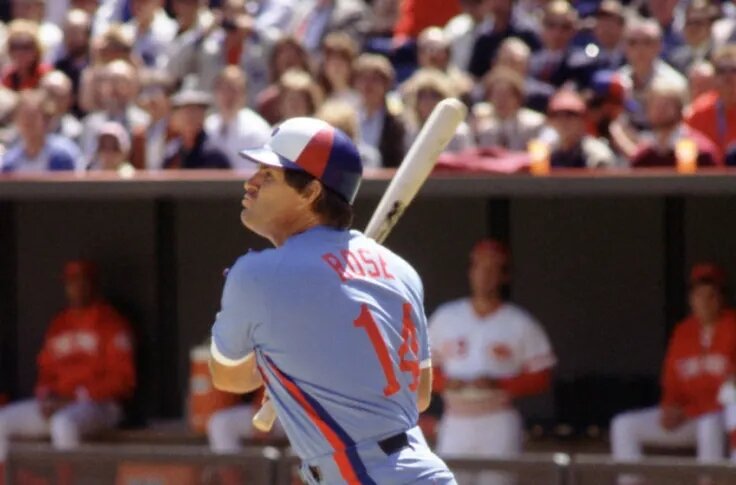
In this episode, we sit down with Adam Henig, author of "Baseball’s Outcast: The Story of Ron LeFlore", to unpack the gritty, unvarnished reality of a man who was as much a product of Detroit’s turbulent East Side as he was a victim of his own choices. We explore LeFlore’s early years in a one-bedroom apartment plagued by poverty , the formative trauma of losing his brother Harry — an Olympic boxer — to a ring injury, and the heroin addiction that led to the armed robbery that defined his youth.

Henig takes us through the high-stakes process of documenting a life that feels more like a crime thriller than a sports biography. We discuss the "76-year-old jigsaw puzzle" Henig spent over four years piecing together through dozens of phone calls with LeFlore, despite the two never meeting in person. Henig also reveals the shadowy figures who facilitated LeFlore’s rise, including Mafia associate Jimmy Karalla, who used his connections at the legendary Lindell AC bar to secure LeFlore a prison furlough for a Tiger Stadium tryout.

Beyond the 30-game hitting streak and the stolen-base titles, we examine the dark side of celebrity that LeFlore could never quite outrun. Henig sheds light on LeFlore’s dangerous proximity to Frank Usher and the "Murder Row" crime family, a connection that ultimately eroded the trust of the baseball establishment. Finally, we look at the sobering post-career years, from working as an airport skycap to facing the health crises that cost him his leg. 

This conversation offers an essential look at the heavy price of a second chance and the complicated legacy of a man who reached the heights of the game only to find himself an outcast.

Baseball's Outcast: The Story of Ron LeFlorebuy book here

EPISODE 162: Les Expos de Montréal – Avec Danny Gallagher

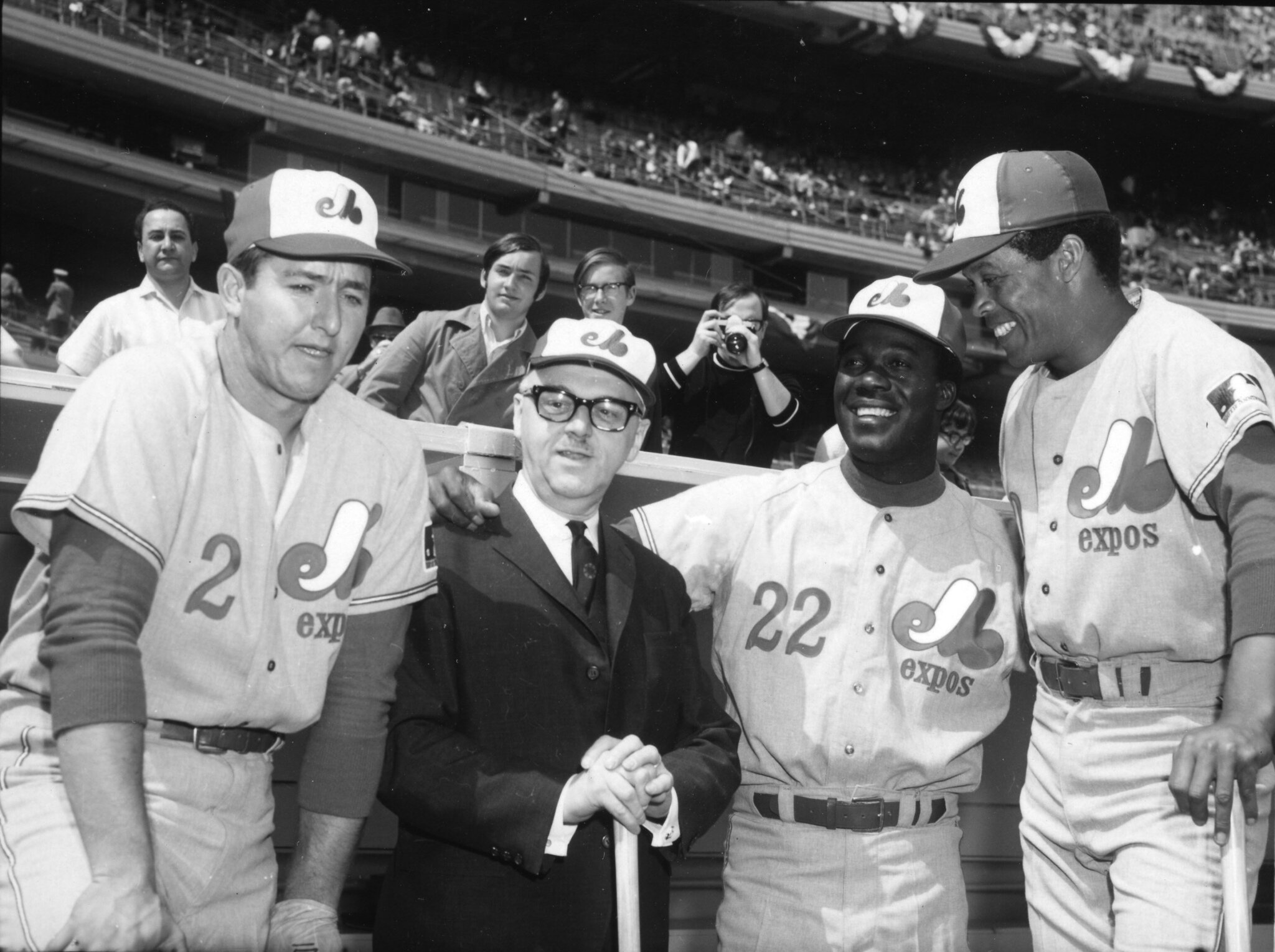
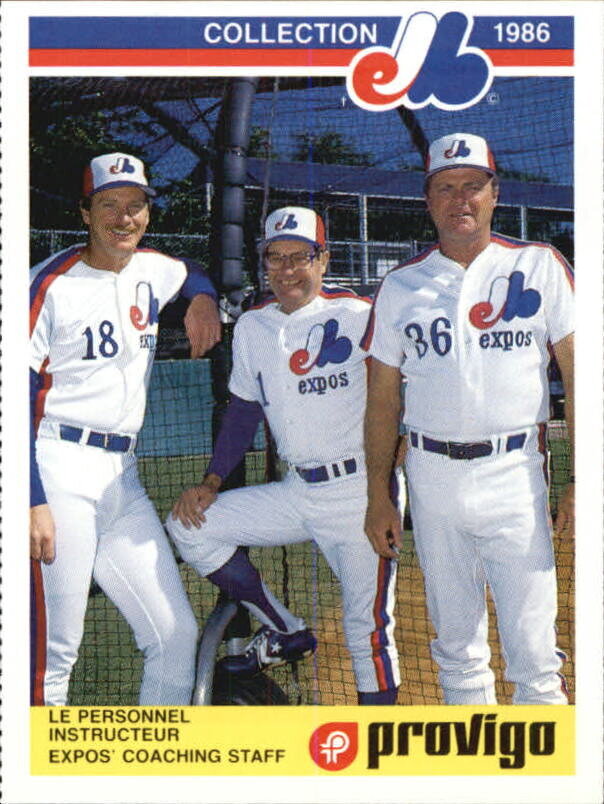
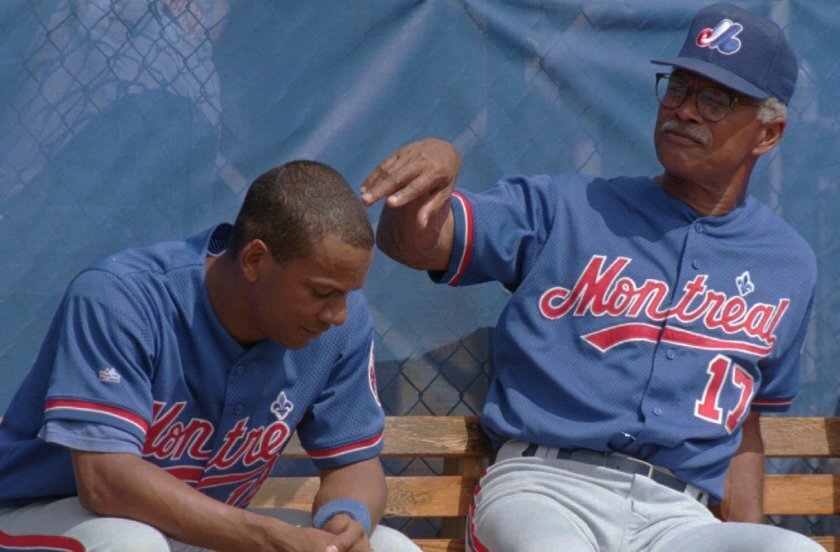
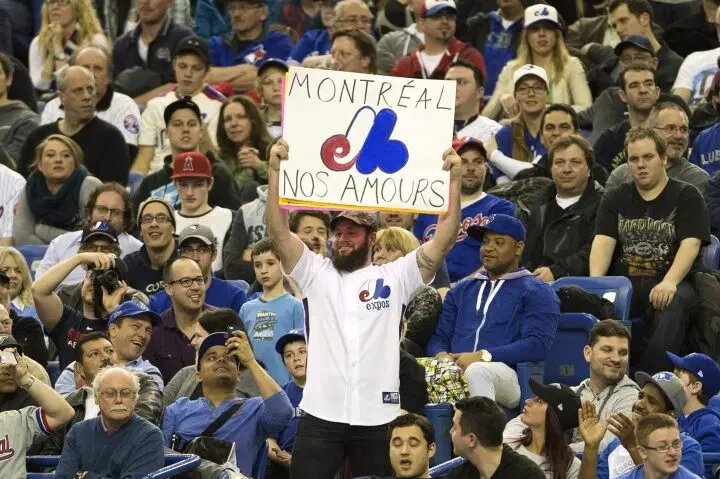
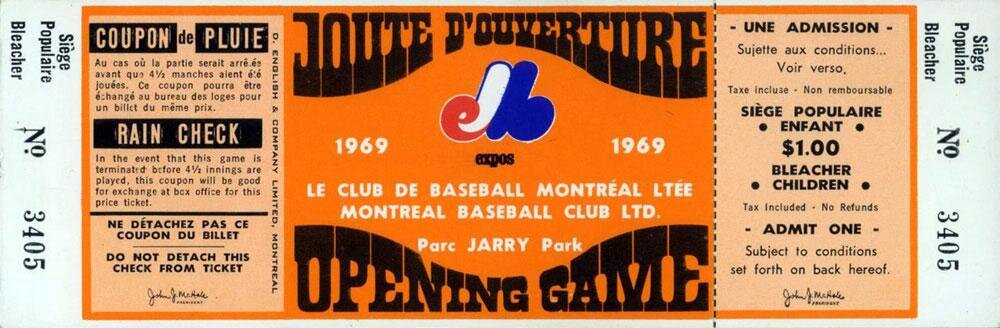
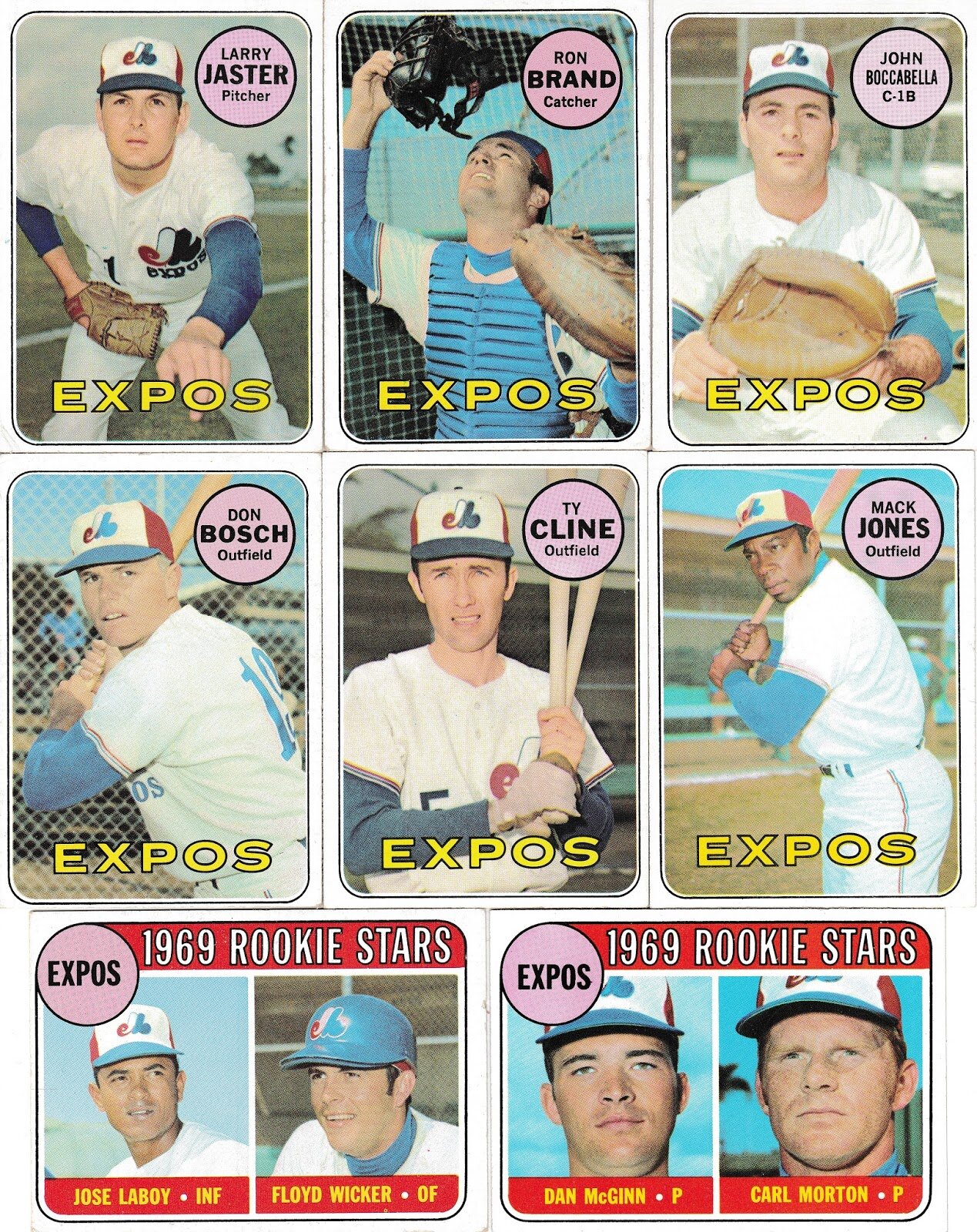
We journey north of the border this week to get our first at-bats with the 35-year adventure formerly known as the Montreal Expos, with author and de facto team historian Danny Gallagher (Always Remembered: New Revelations and Old Tales About Those Fabulous Expos).

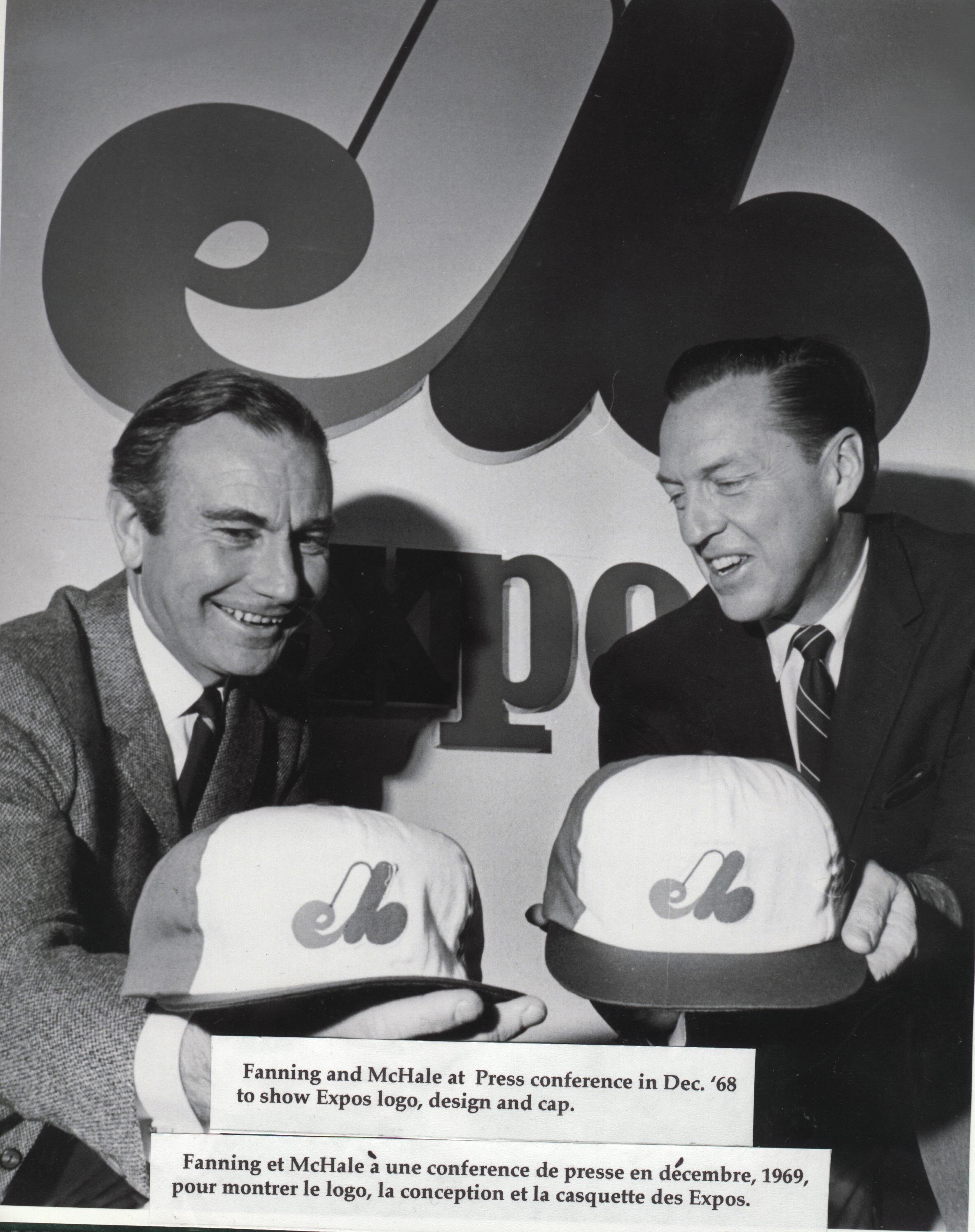
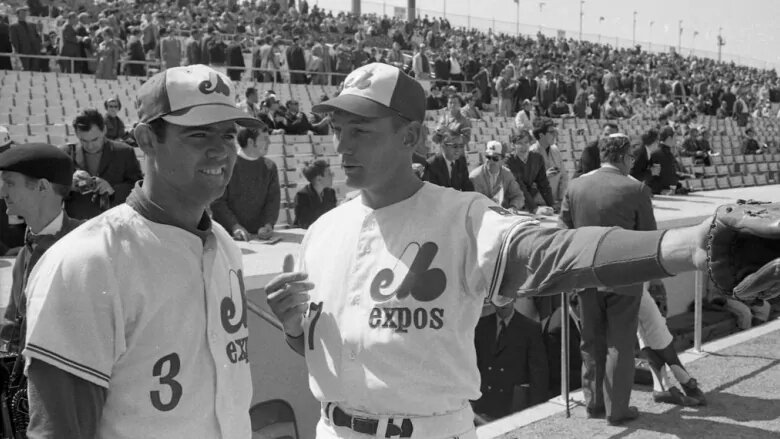
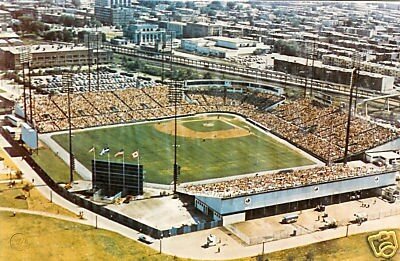
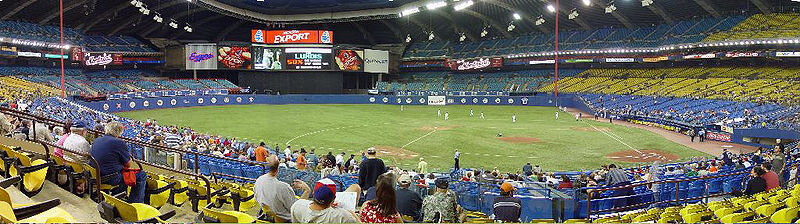
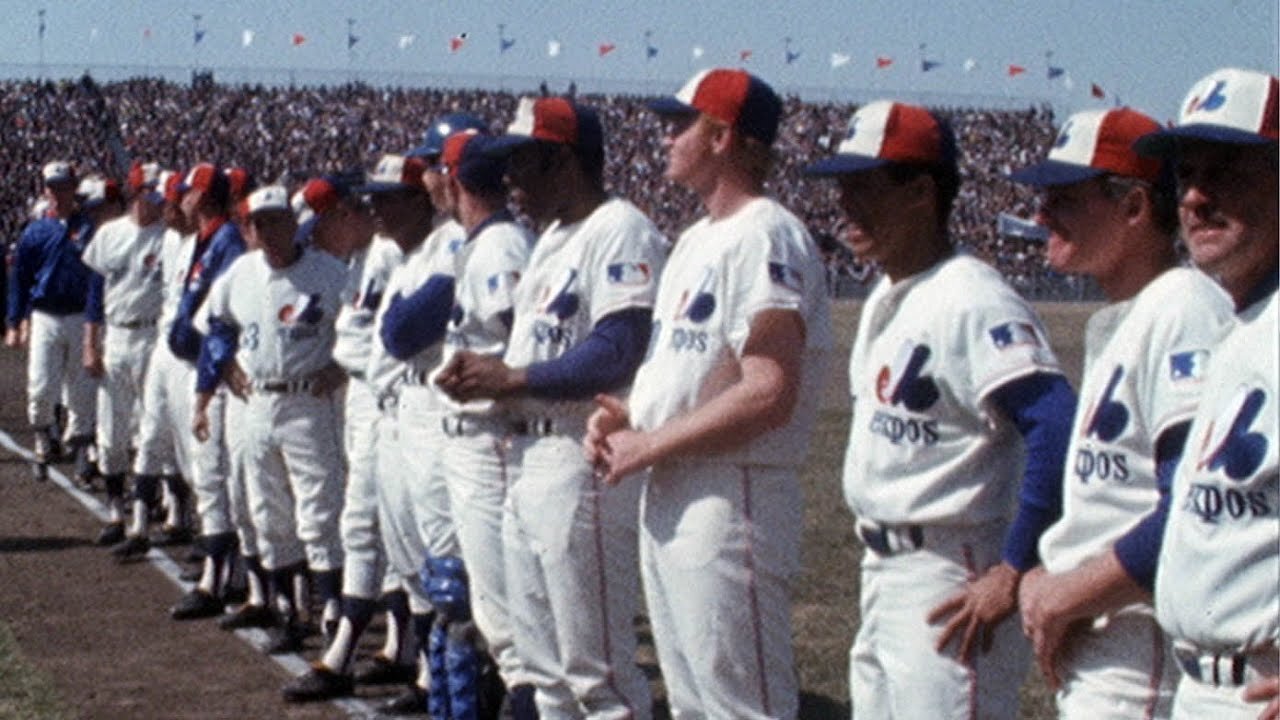
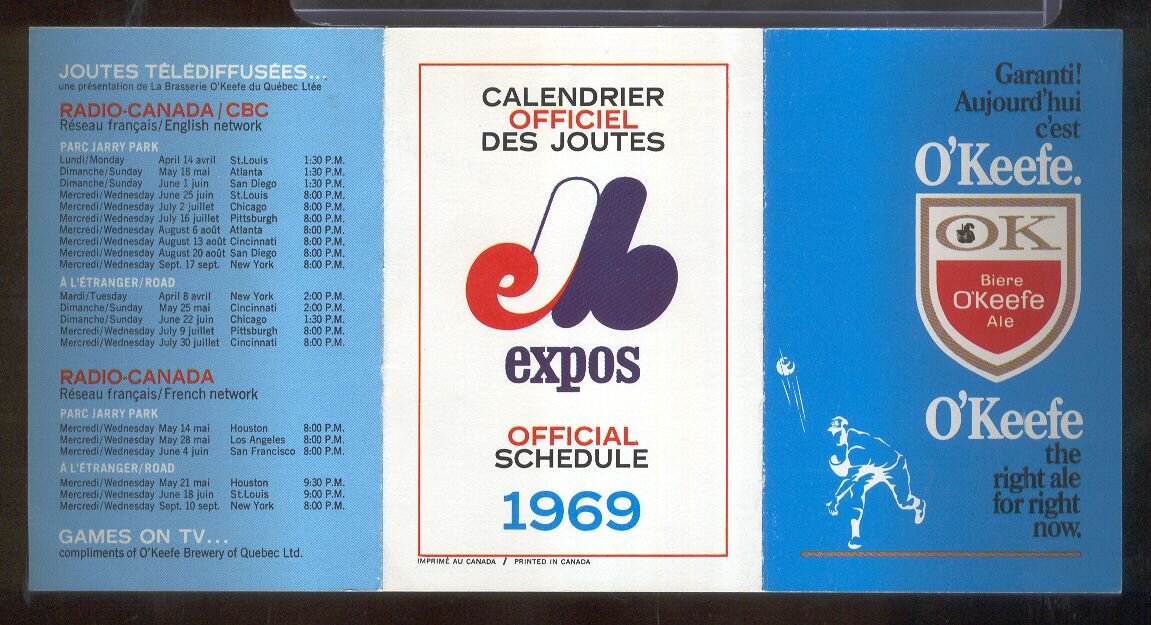
Created in expansionary haste by the National League in 1969, MLB’s first-ever Canadian franchise was named after the city’s futuristic “Expo 67” World’s Fair, and expected to be domiciled in a new domed stadium by 1972 after a temporary stint at a barely-minor-league field in the city’s Jarry Park.  Chronically delayed and reshaped by preparations for the 1976 Summer Olympics, that permanent home (a cavernous, drafty and still-unfinished Olympic Stadium) didn’t formally arrive until 1977 – with its promised roof not in place until a full decade later.   

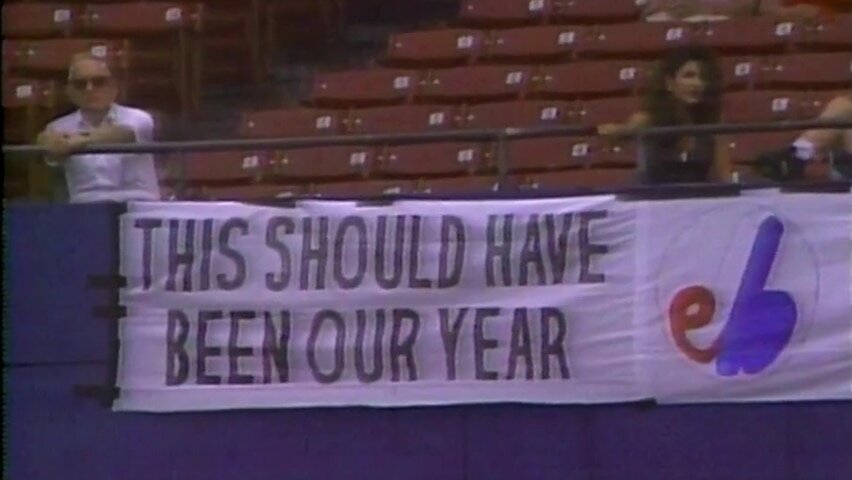
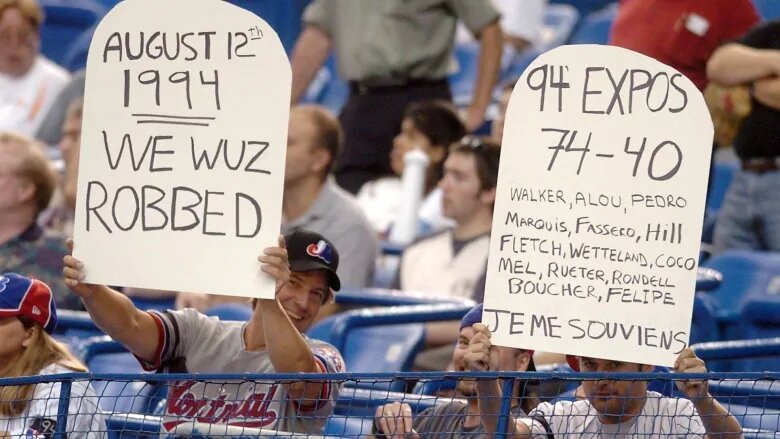
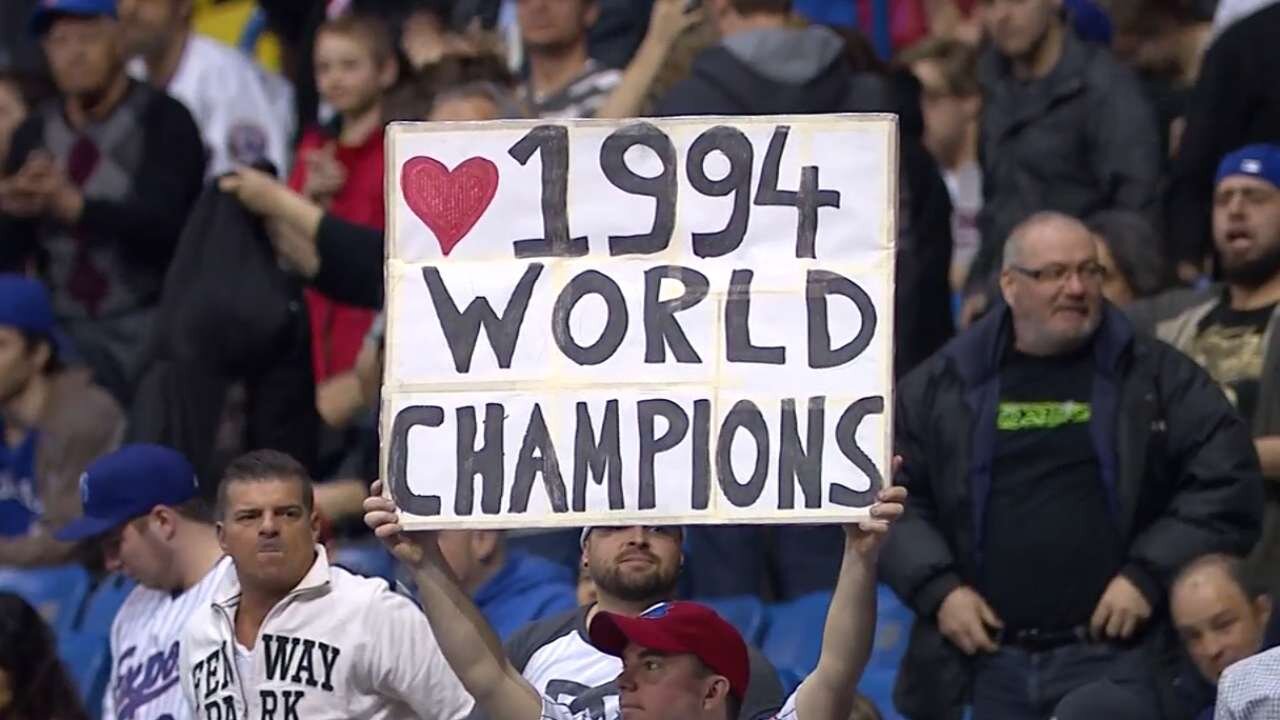
The Expos’ locational challenges were only slightly overshadowed by their mediocre play on the field – which, while competitive at times (they had the best cumulative winning percentage in the NL from 1979-83, for example) – netted just one post-season appearance (in a convoluted strike-shortened 1981 season) in the team’s 35-year stay in Montreal.  (The strike-abandoned season of 1994, when the team led the NL East by six games with eight weeks to play, literally and figuratively didn’t count.)

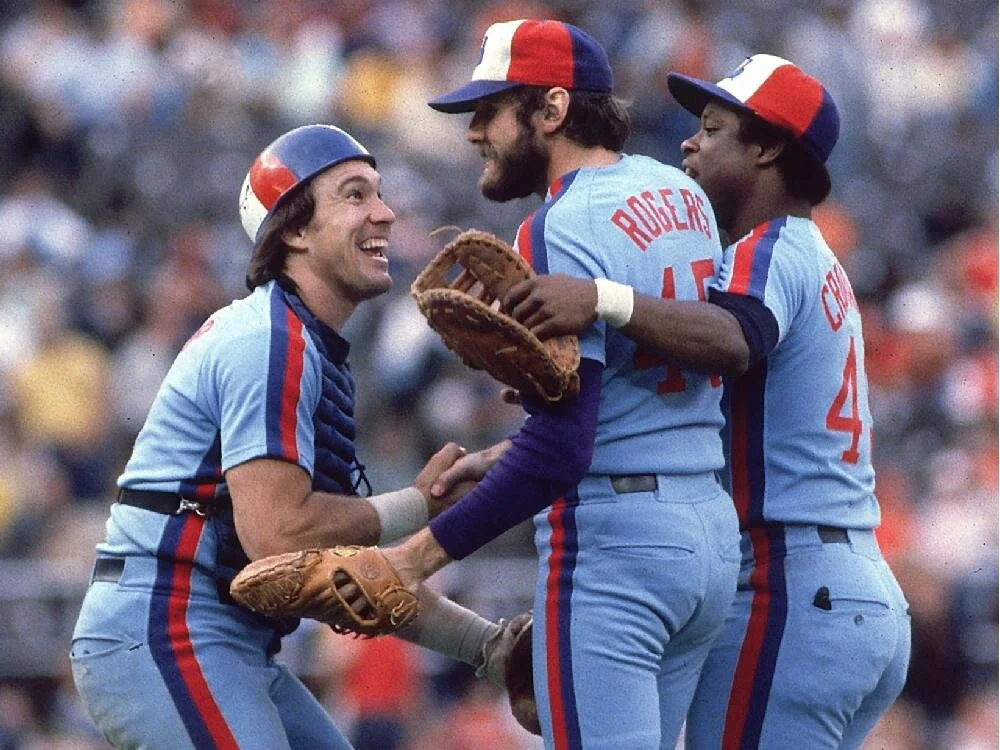
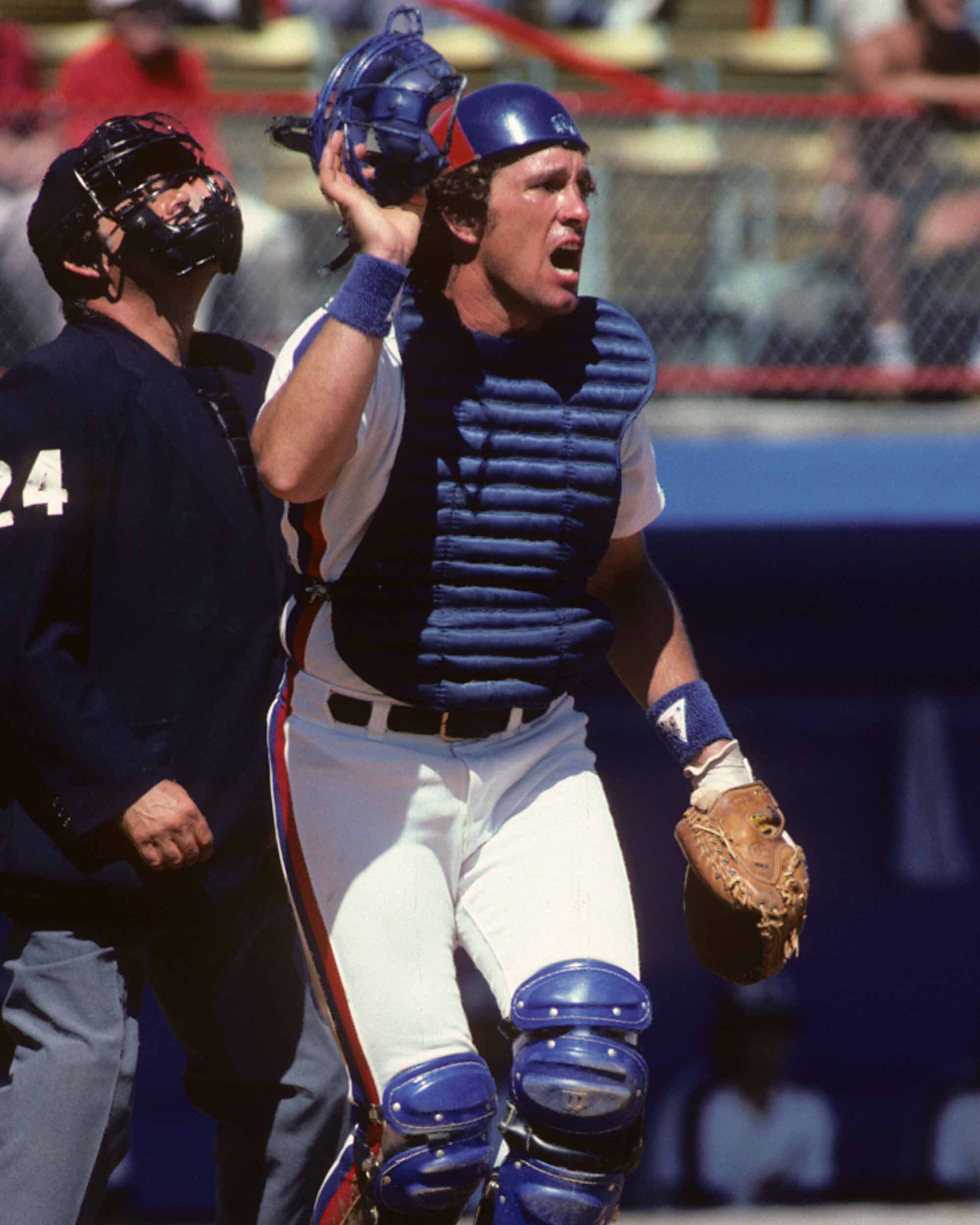
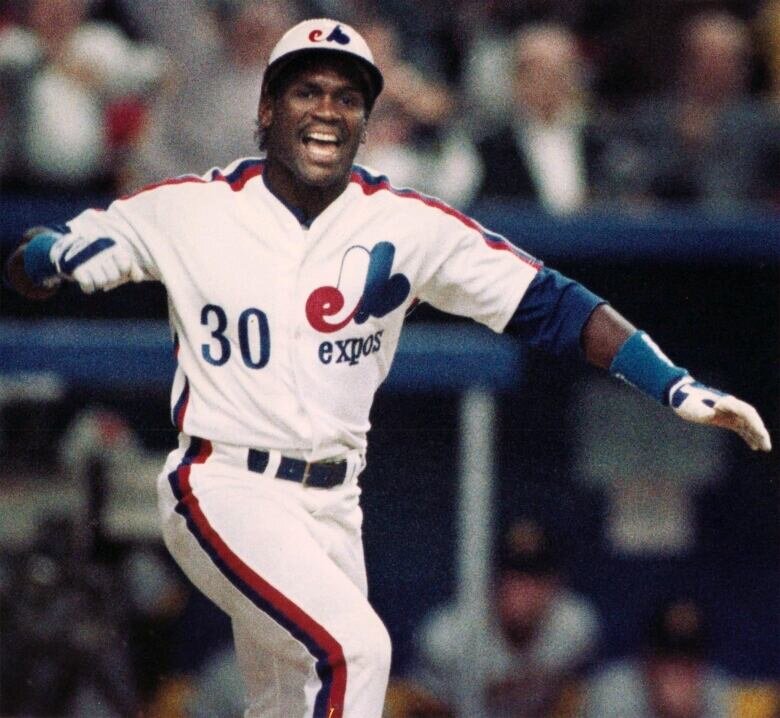
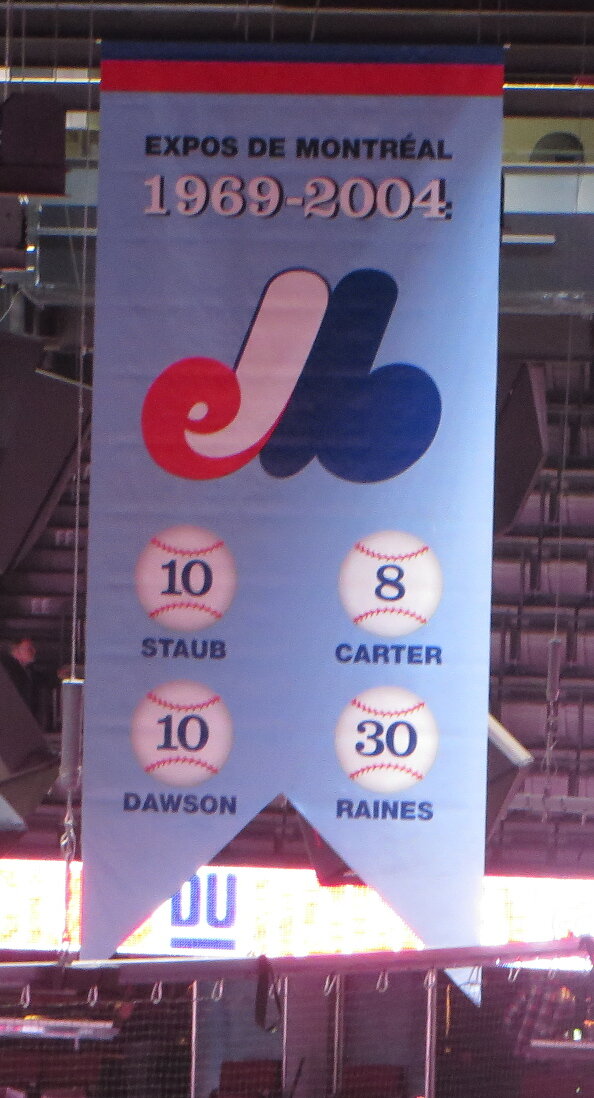
Still, the Expos had their share of talent (buttressed by a reliably prolific farm system) – boasting 11 MLB Hall of Famers (including fan favorites Gary Carter, Andre Dawson and Tim Raines) – and a panoply of memorable characters like Rusty Staub, Warren Cromartie, Steve Rogers, and Tim Wallach. 

When Major League Baseball voted to contract two clubs in 2001, the Expos were targeted as one of them – beset by dwindling attendances and cellar-dwelling records during the latter half of the 1990s.  A ham-handed league takeover that year led to three final lame-duck seasons – including a bizarre relocation of “home games” in 2003-04 to San Juan, Puerto Rico – before moving to Washington to become the Nationals.
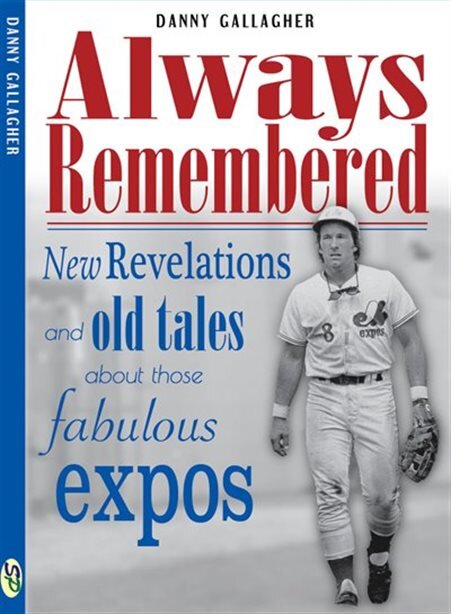
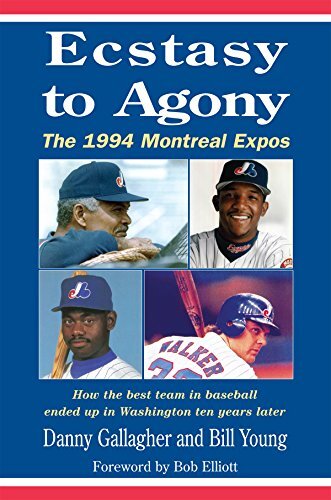
Always Remembered: New Revelations and Old Tales About Those Fabulous Expos - buy book here

Ecstasy to Agony: The 1994 Montreal Expos - buy book here

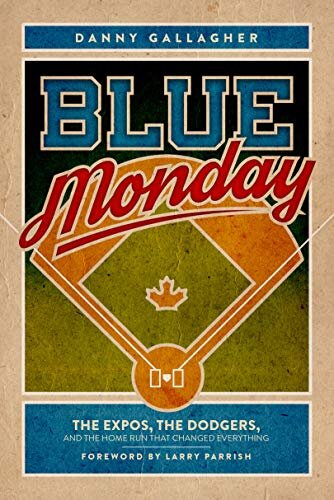
Blue Monday: The Expos, The Dodgers and the Home Run That Changed Everything - buy book here

EPISODE 150: Major League Baseball Expansion – With Fran Zimniuch

Baseball writer Fran Zimniuch (Baseball's New Frontier: A History of Expansion, 1961-1998) help us sketch out a nearly forty-year survey of the major leagues’ fitful journey from a regional set of 16 teams confined to just ten US Northeast and Midwest cities, to the 30-club colossus that today stretches across 27 markets across North America.

While the sport’s modern-day wanderlust began in earnest during the 1950s as the Braves moved to Milwaukee, the Browns left for Baltimore (new name: Orioles), the A’s traded Philadelphia for Kansas City, and New York’s Giants and Brooklyn’s Dodgers made haste for California – Major League Baseball entered the 1960s with an urgent need to expand into new markets as the rival Continental League threatened to beat them to the punch.

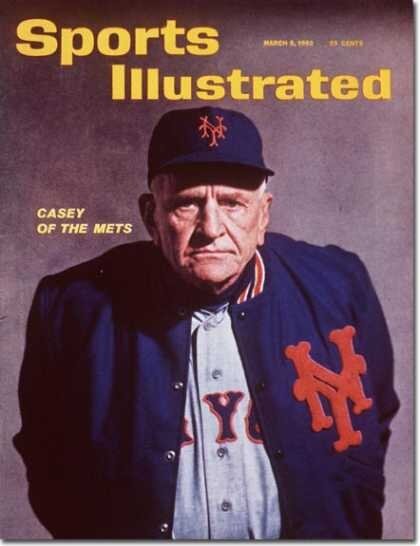
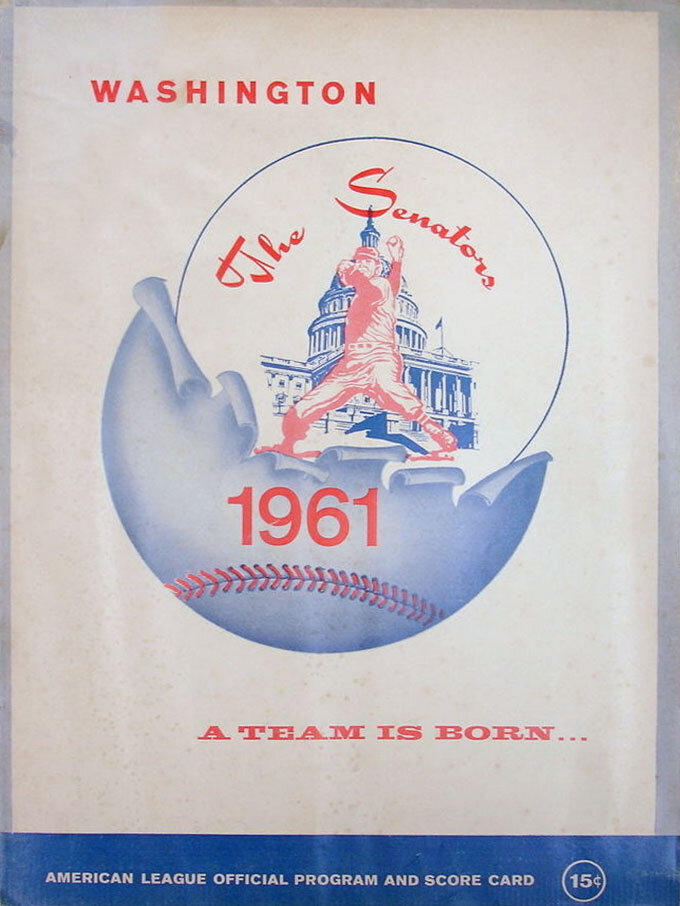
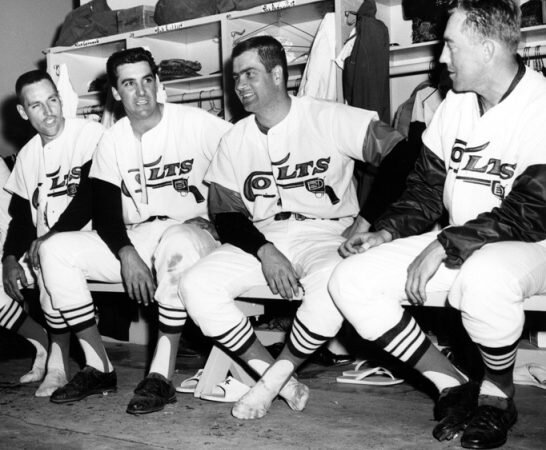
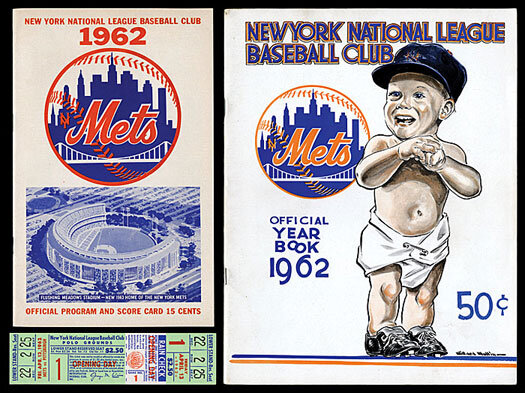
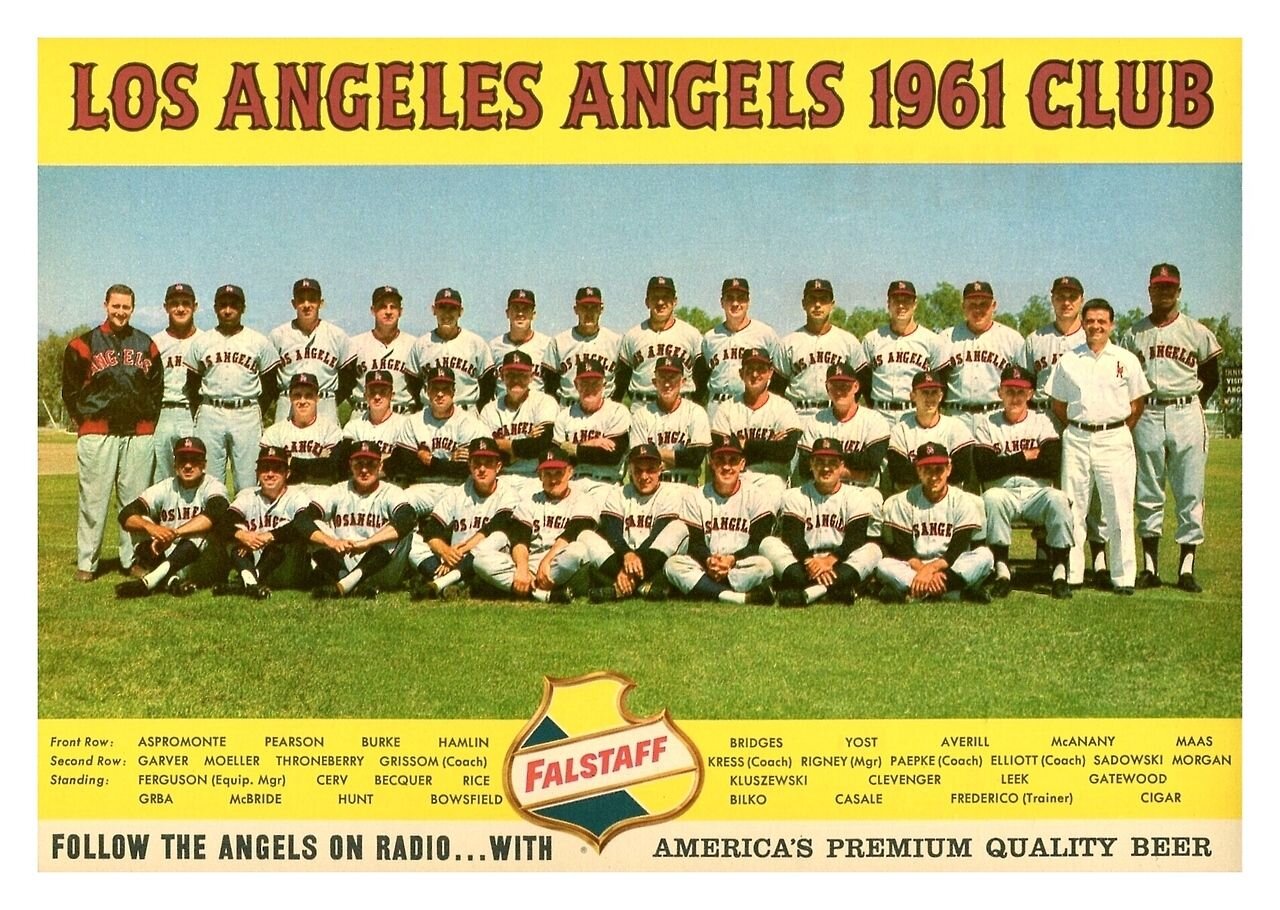
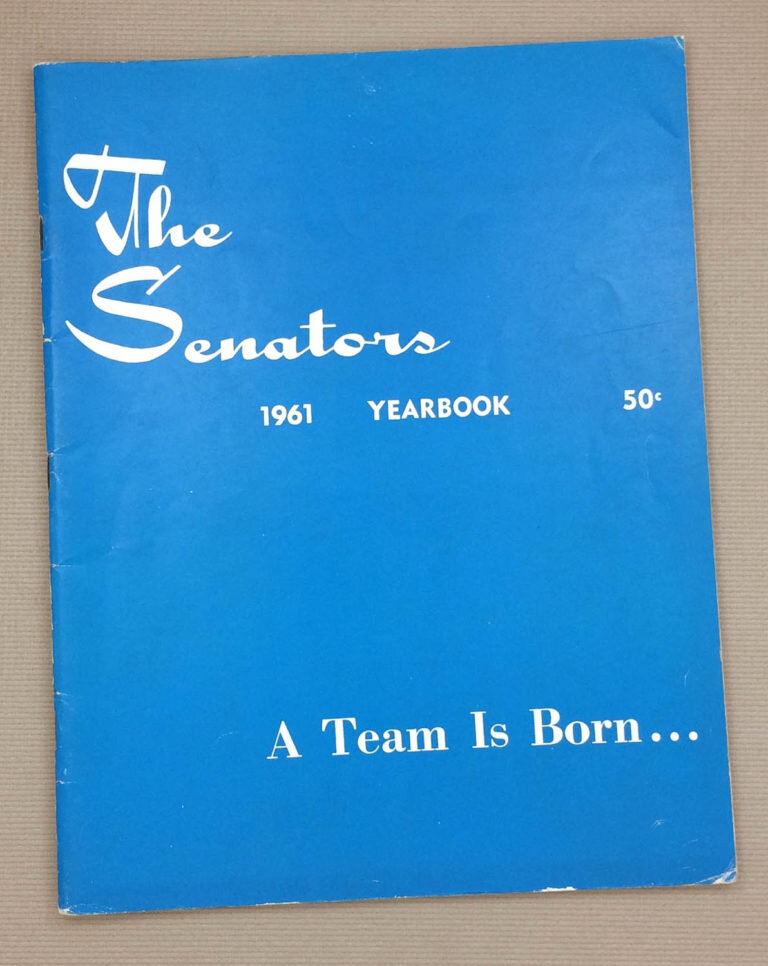
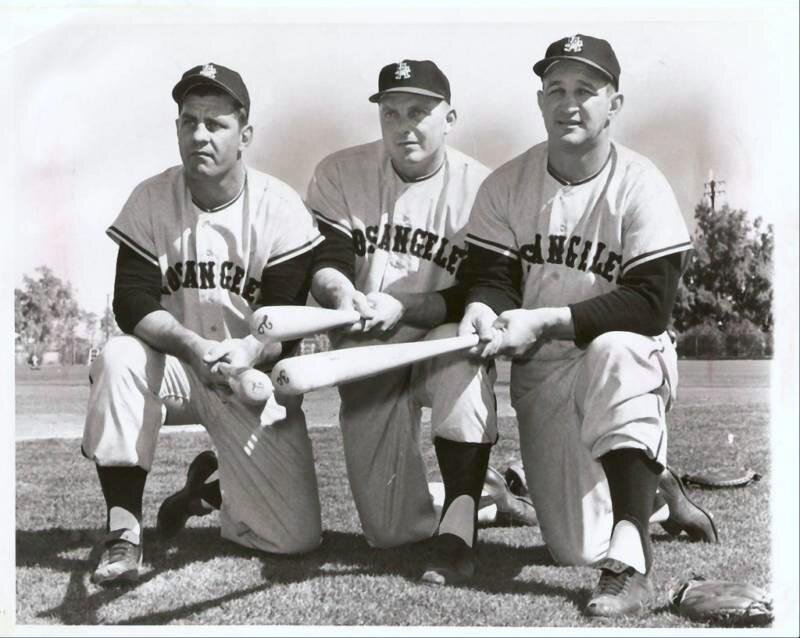
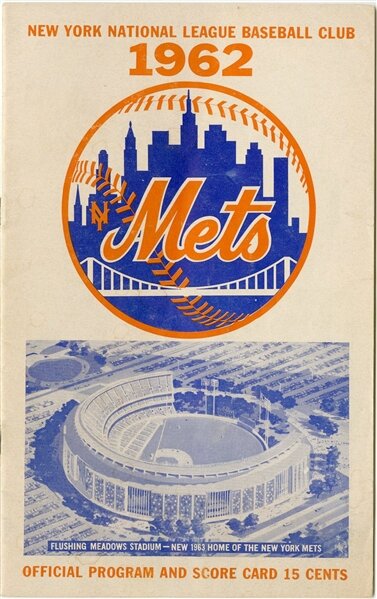
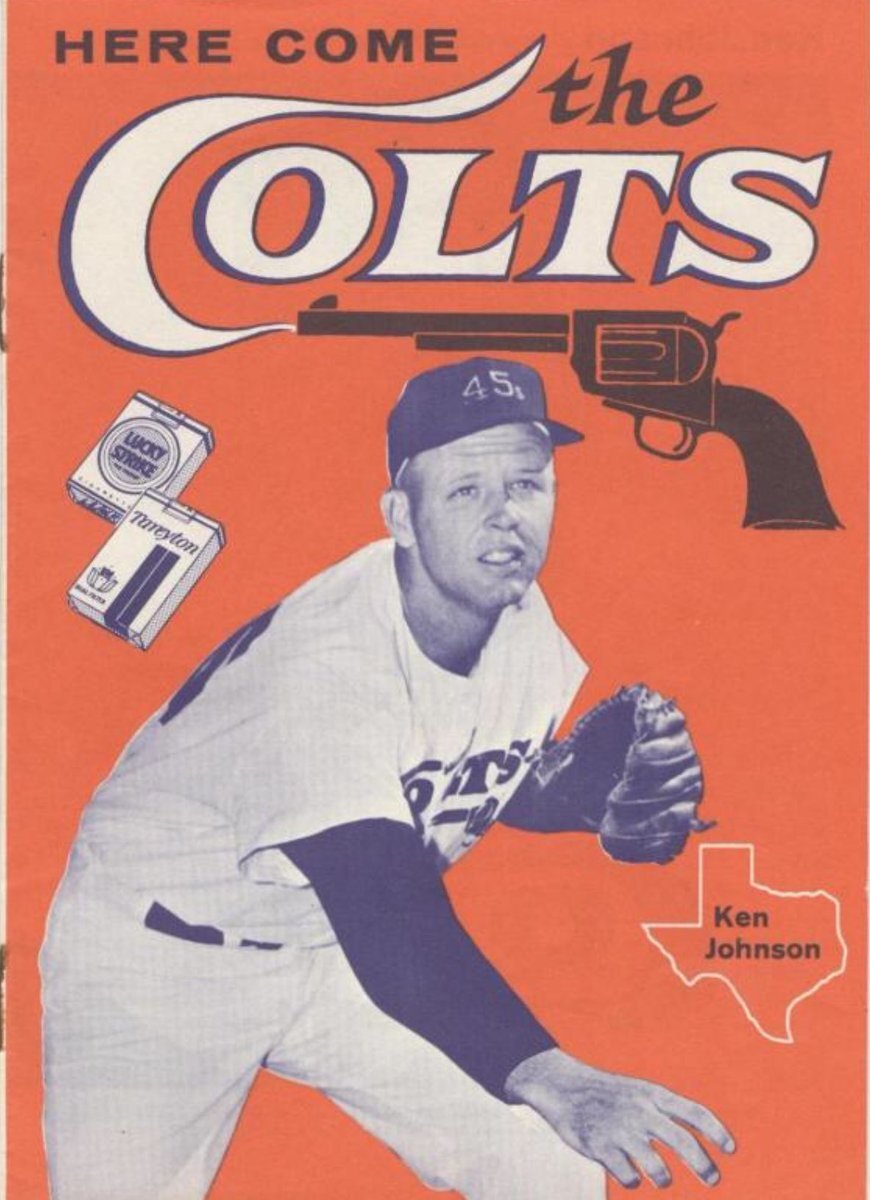
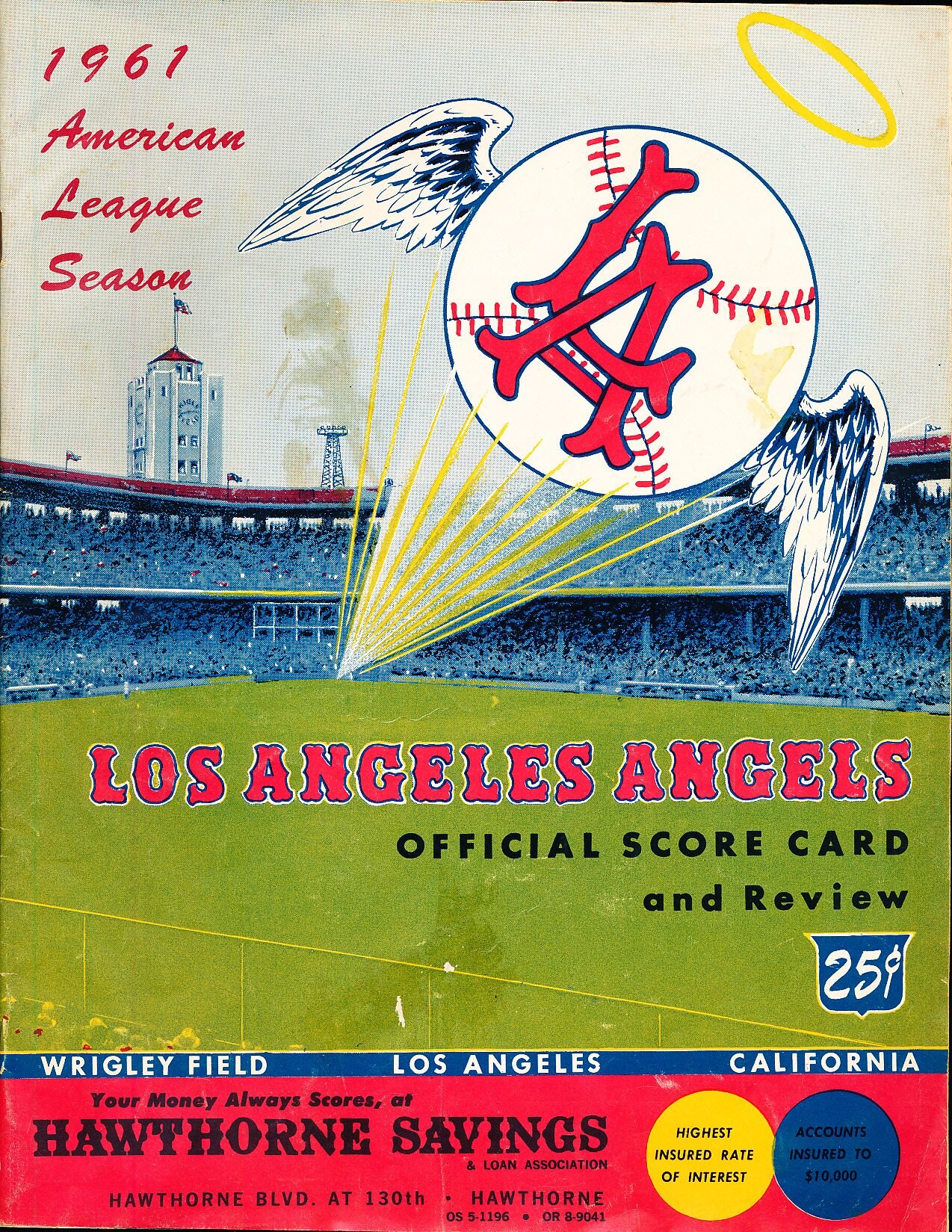
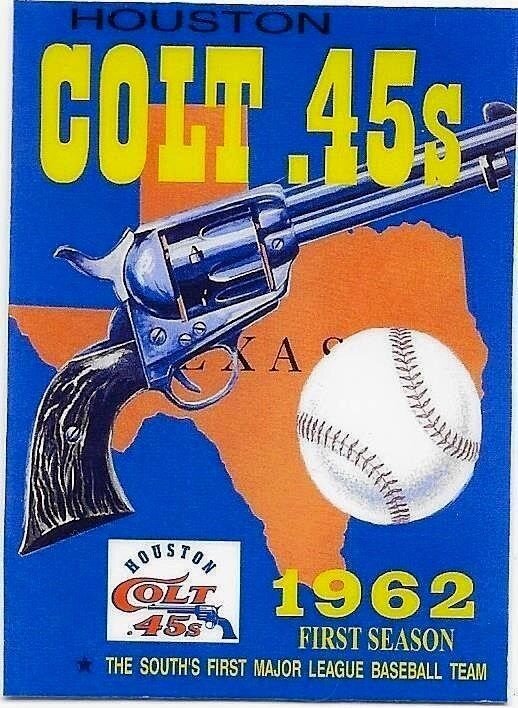
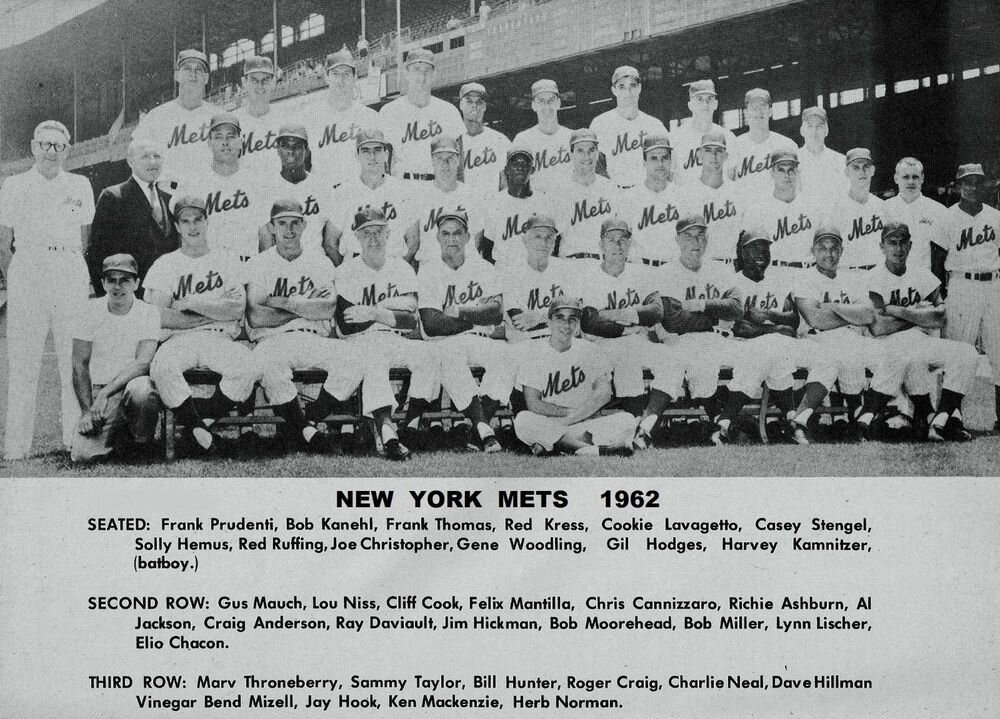
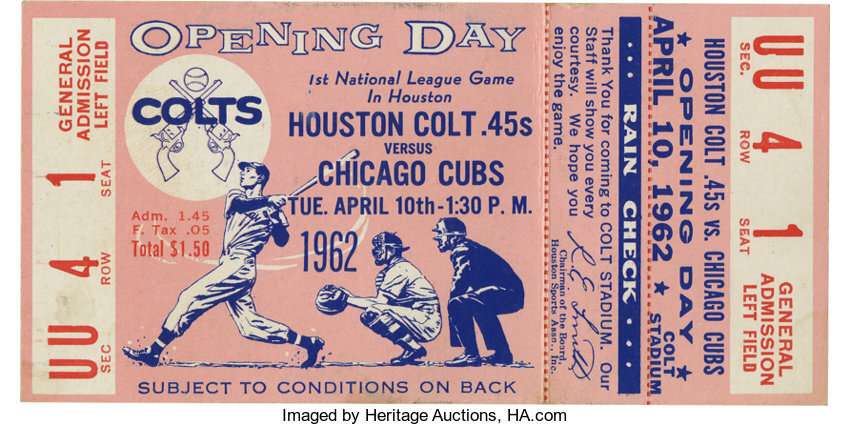
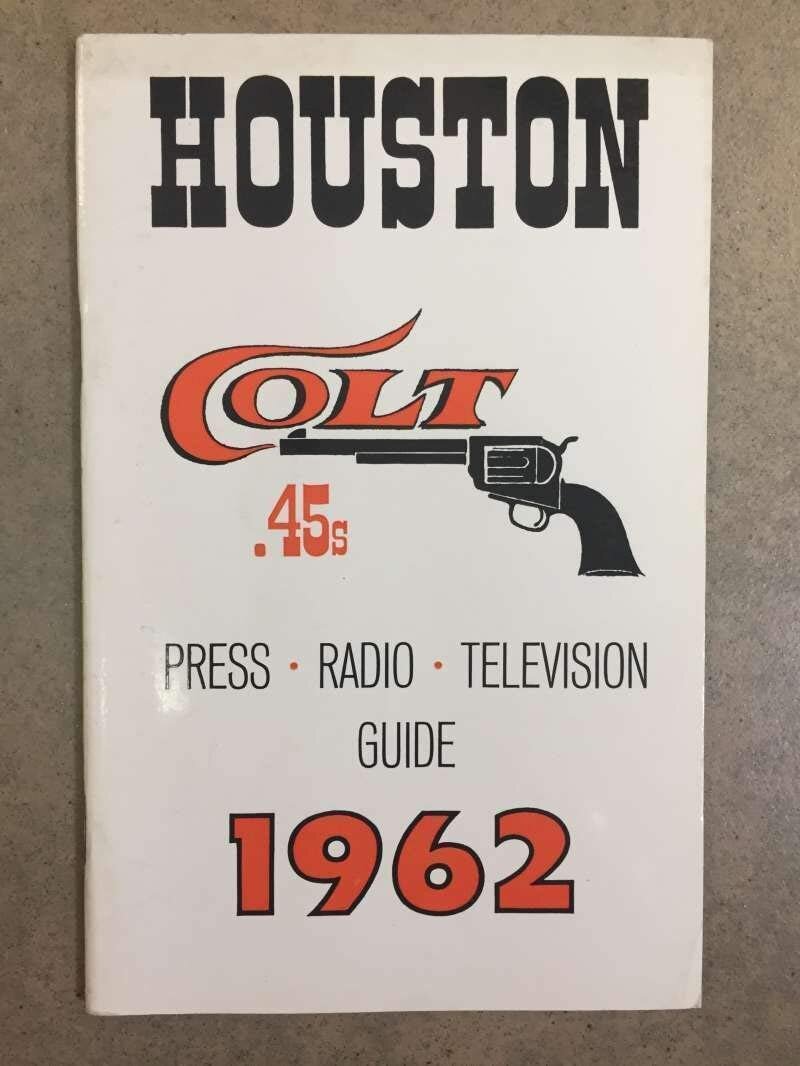
In 1961, the American League added its own Los Angeles franchise with the Angels, and a new expansion version of the Washington Senators hastily replaced their original predecessors, having absconded to the Twin Cities.  Two more teams joined the following year – New York’s Mets and Houston’s Colt .45’s (later renamed Astros). 
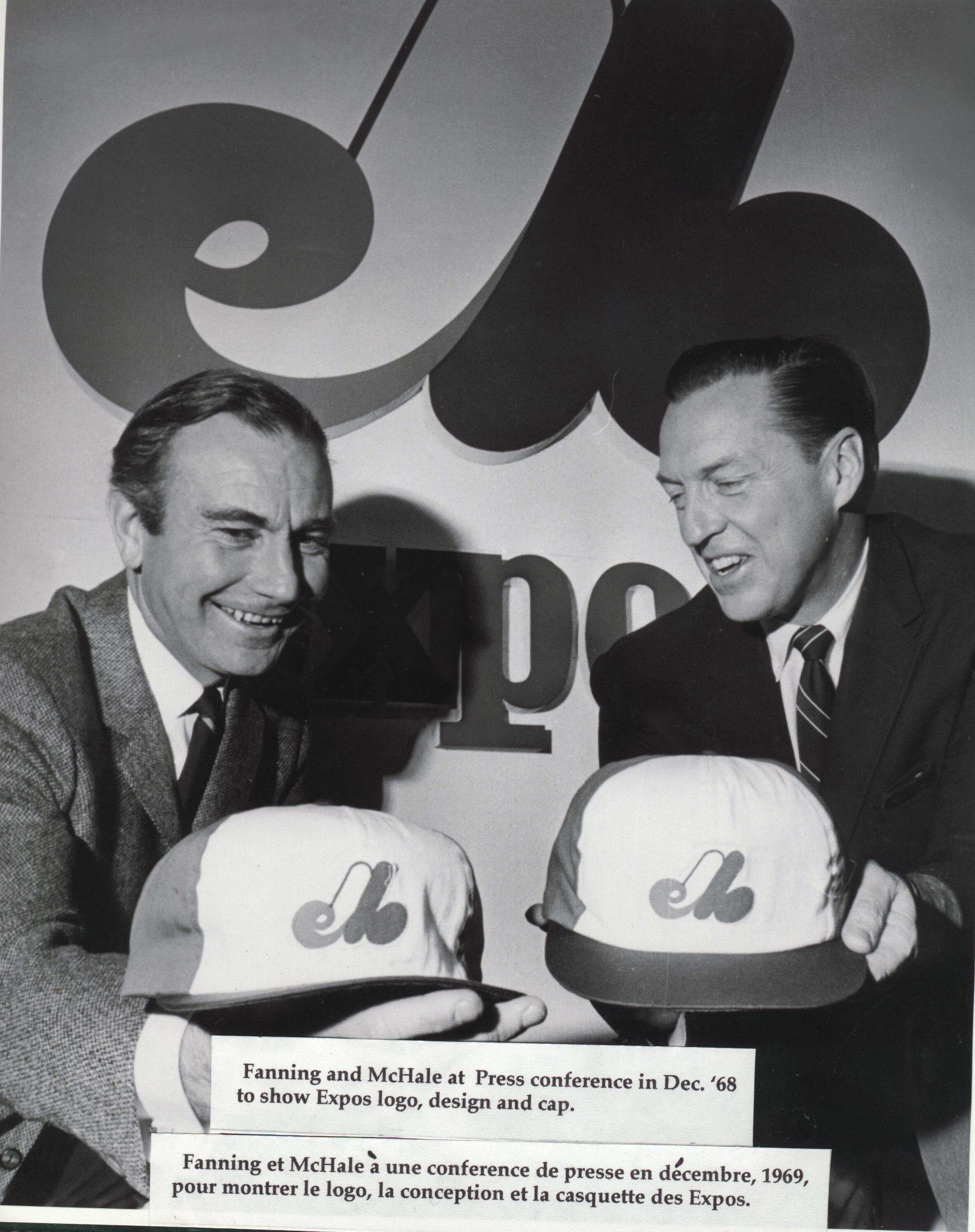
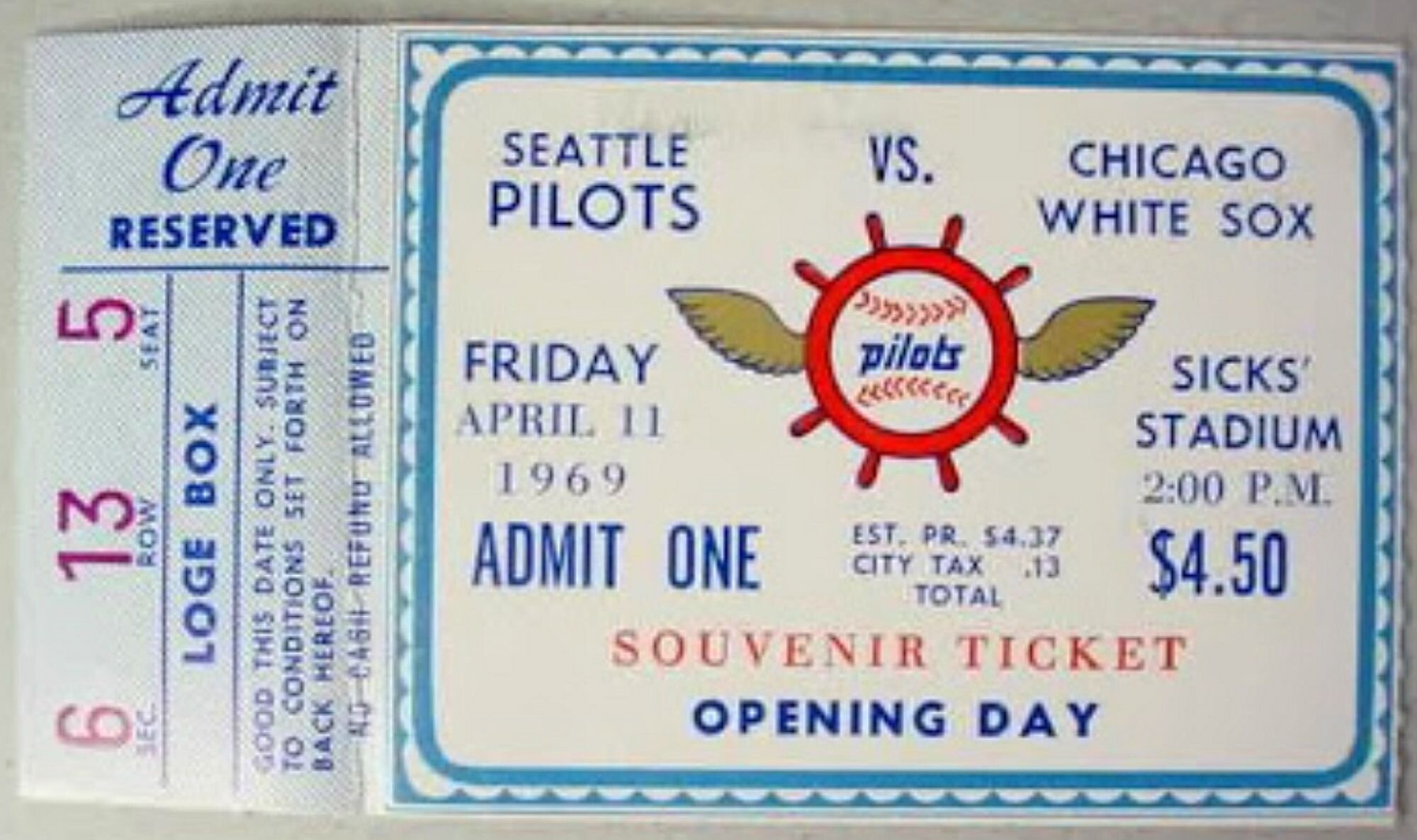
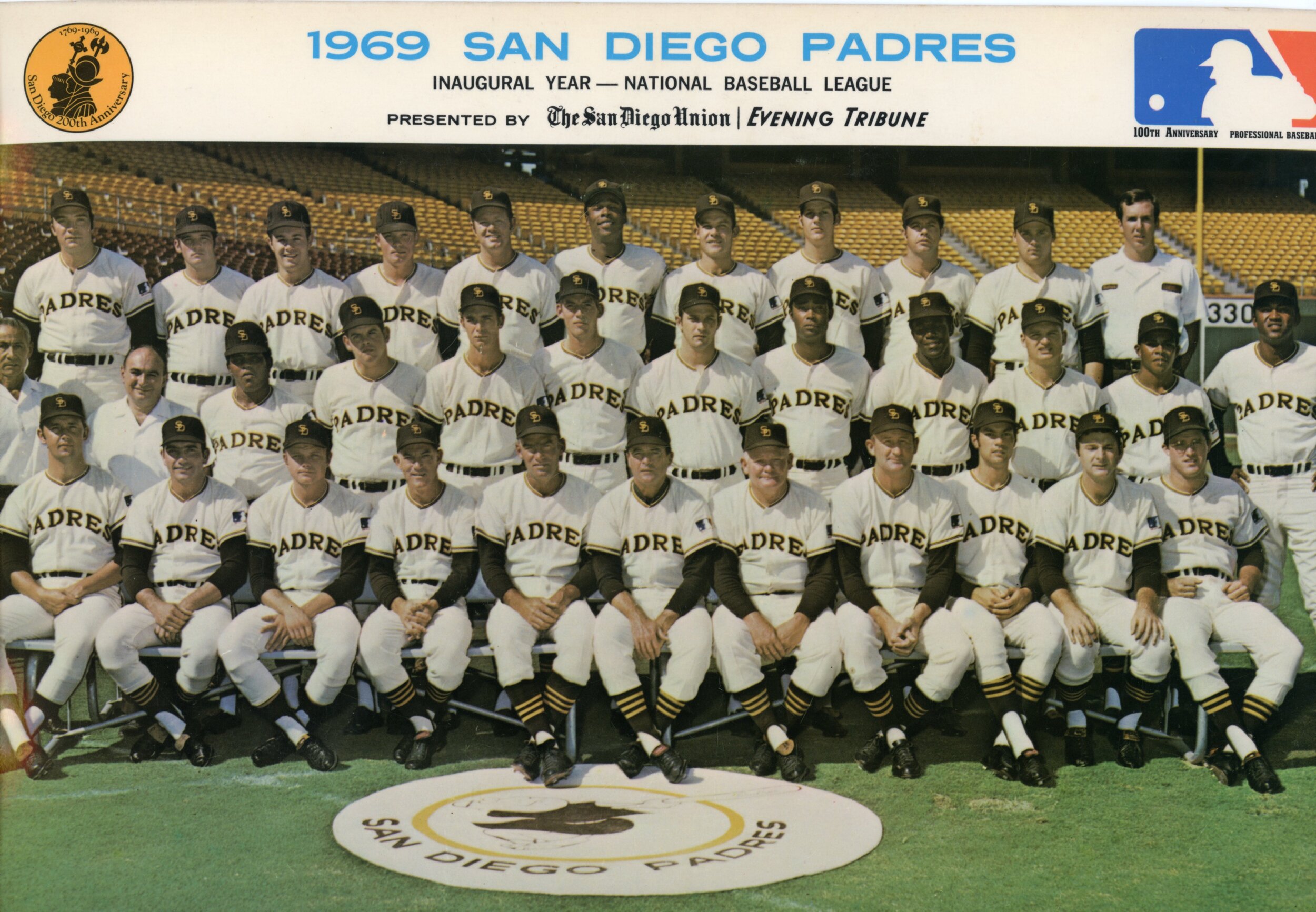
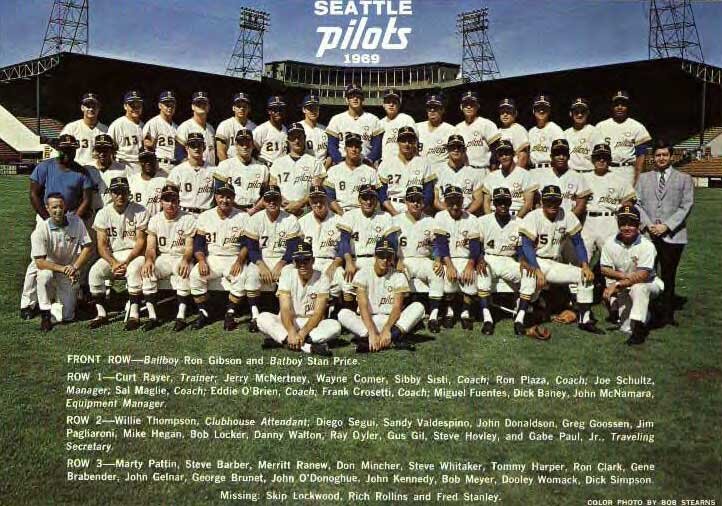
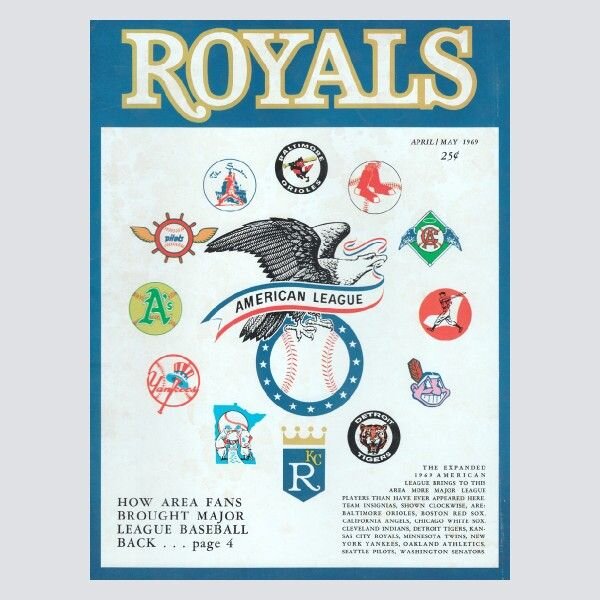
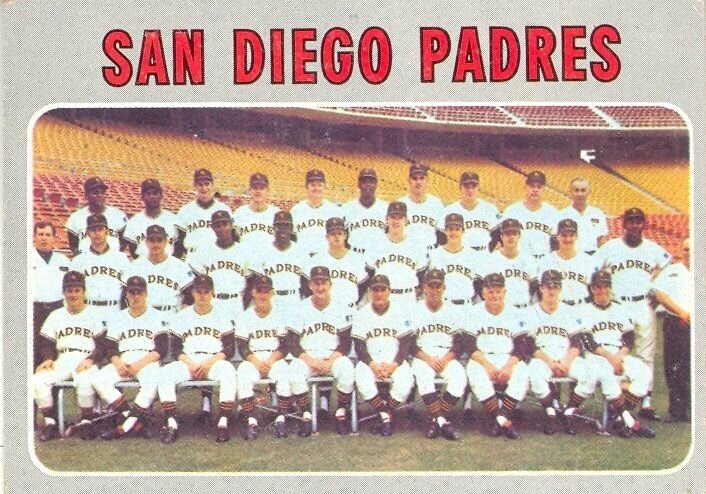
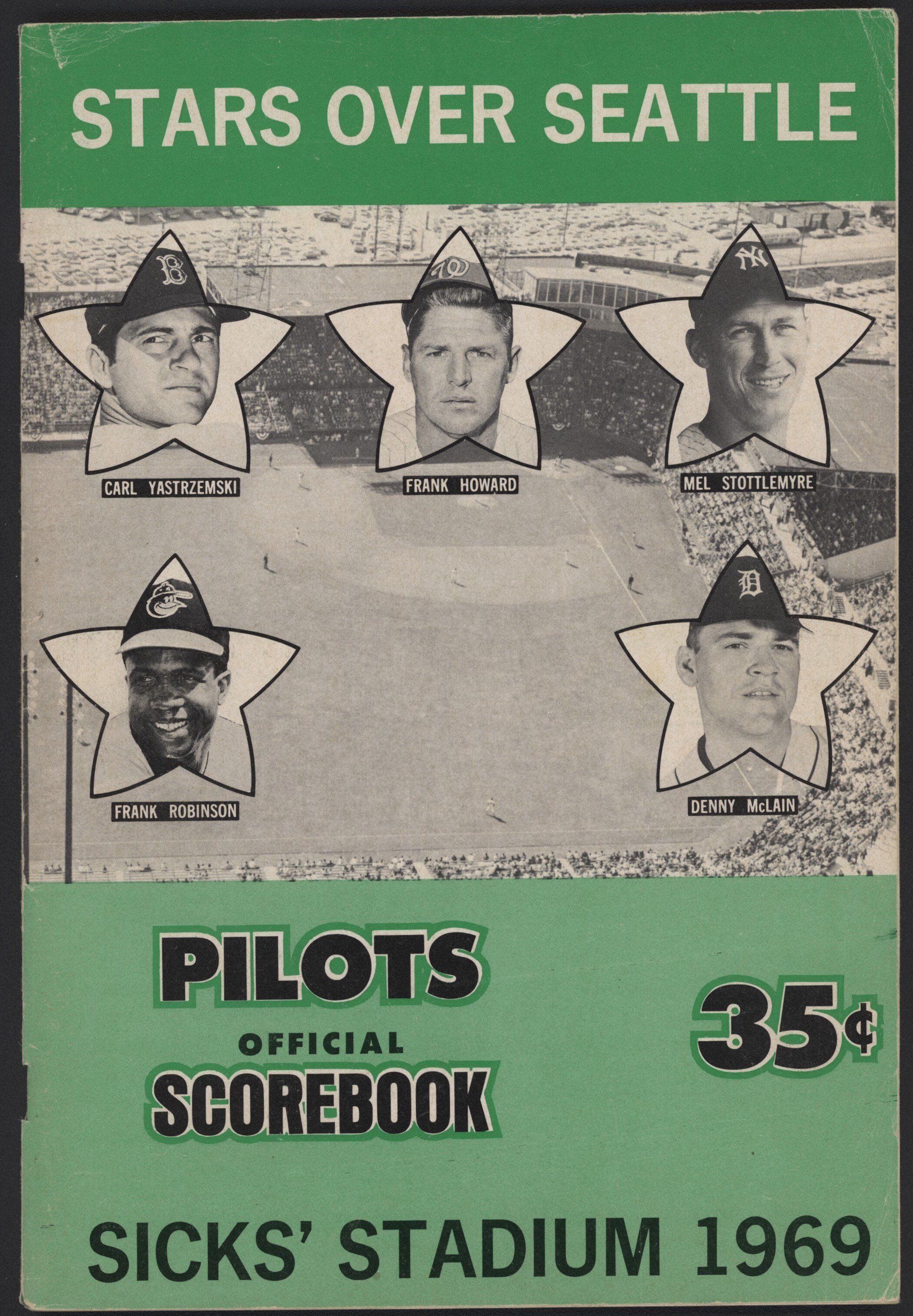
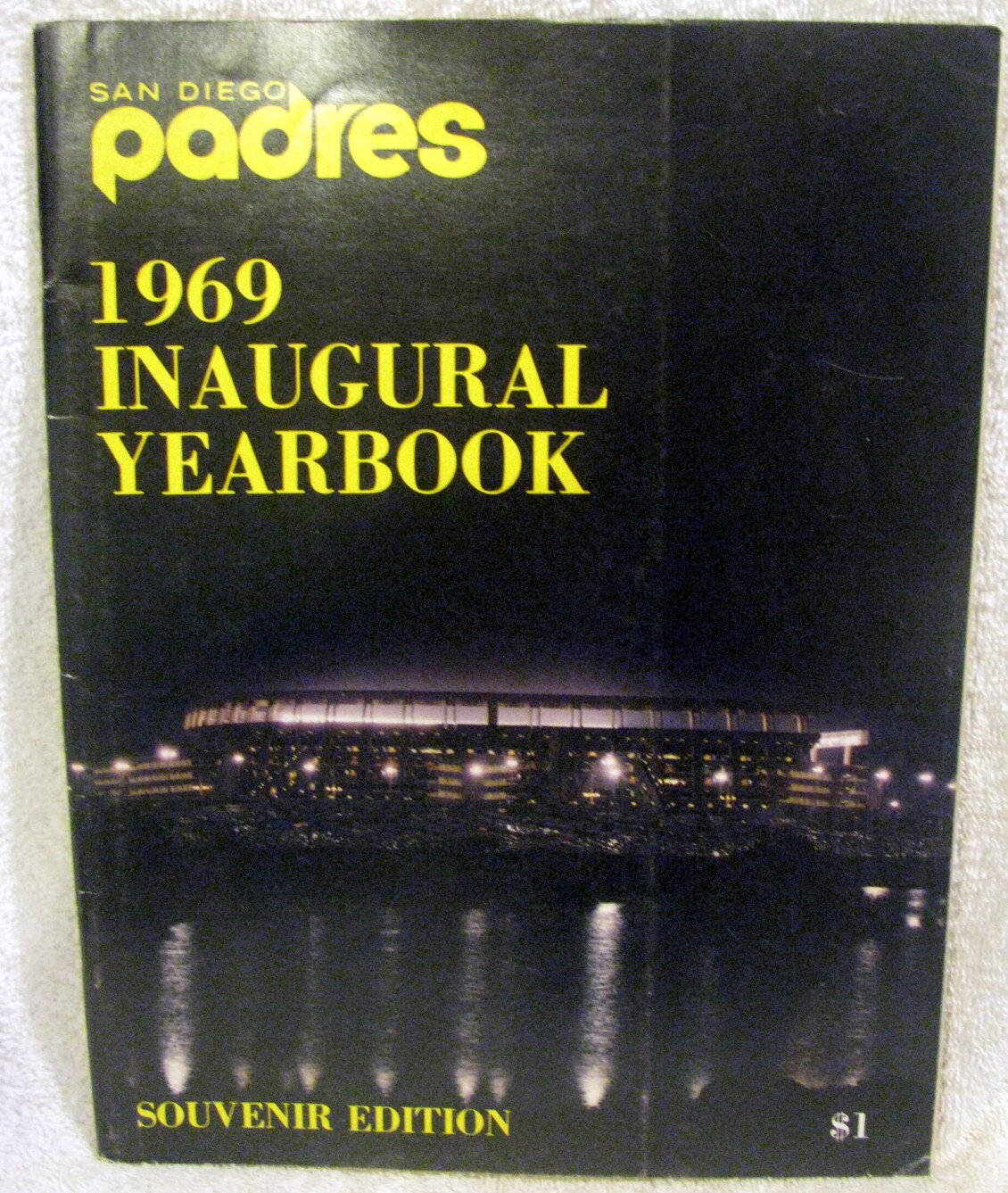
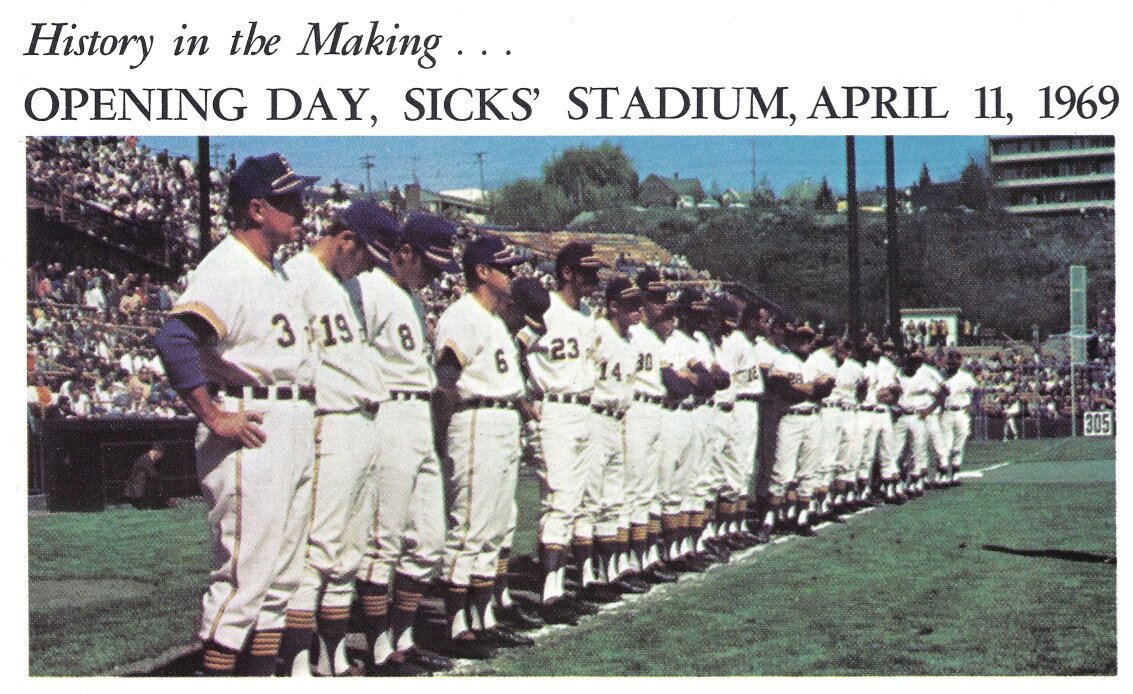
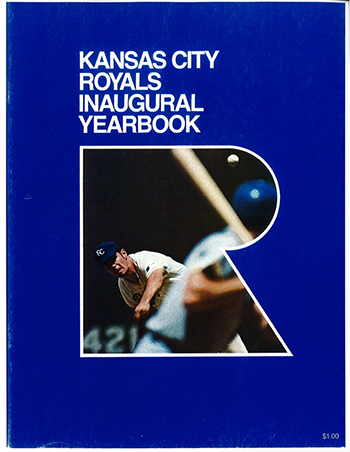
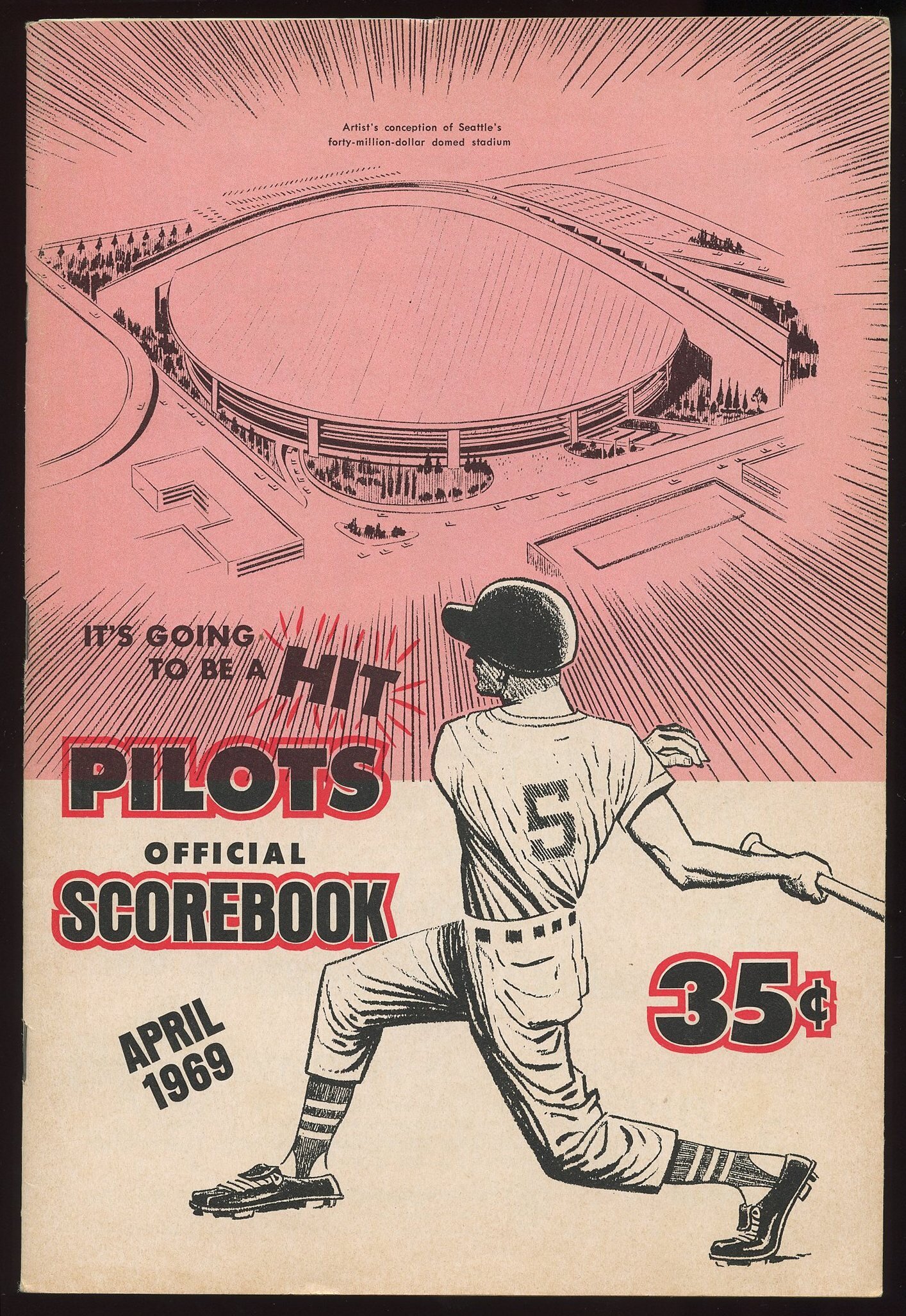
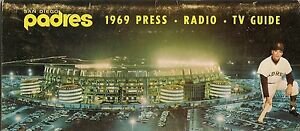
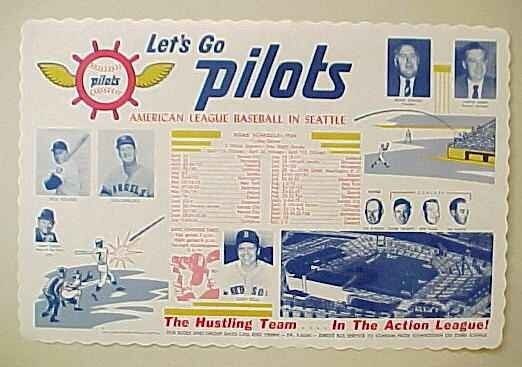
The addition of four new clubs in 1969 pushed the boundaries even further: the San Diego Padres, Kansas City Royals, Montreal Expos, and (ultimately one-year wonder) Seattle Pilots.

Seattle’s MLB redemption came in 1977 when the expansion Mariners joined the American League roster, along with Canada’s second franchise – the Toronto Blue Jays.

Baseball’s last expansion push came in the 1990s, when Colorado and Florida (now Miami) joined the National League in 1993, and Arizona and Tampa Bay were added the NL and AL respectively in 1998.

While rumors of potential relocation of big-league baseball’s current members is always fodder for the off-season Hot Stove (the fate of the Rays in Tampa-St. Pete, in particular), Zimniuch and host Tim Hanlon ponder if further expansion to new markets is in the cards – and if so, where and when?

What better reason to plan your Spring Training getaway at VisitArizona.com!

Baseball’s New Frontier: A History of Expansion, 1961-98 - buy here