EPISODE 458: "Finding Renée Richards" - With Julie Kliegman

For decades, Renée Richards lived with an intensely private struggle over her gender identity while building an accomplished life as an athlete, physician, husband and father. Through it all, tennis remained one of the few constants.

Before transitioning in the mid-1970s, Richards - then known as Richard “Dick” Raskind - had been a gifted amateur tennis player, Yale graduate, Navy veteran and successful ophthalmologist. But beneath those achievements was a lifelong conflict Richards later described as a battle between “Dick” and “Renée,” one she tried unsuccessfully to resolve through years of psychoanalysis before ultimately deciding to live as a woman.

After transitioning, Richards moved to Southern California and returned to competitive tennis, this time in women’s events. When her previous identity became public in 1976, a deeply personal journey suddenly became an international sports controversy. Tennis officials required Richards to pass a chromosome test to enter major women’s tournaments; she refused, setting off a remarkable legal battle that included an unlikely attorney in Roy Cohn, critical support from Billie Jean King and a landmark 1977 court victory allowing her to compete in the U.S. Open.

Sports journalist Julie Kliegman joins the podcast this week to tell Richards’ extraordinary and often misunderstood story through her new biography, "Finding Renée Richards: The Groundbreaking Story of Tennis’s Trans Pioneer."

Kliegman takes us through Richards’ long path toward transition, the media frenzy and cultural backlash that followed, her professional tennis career (including a 1978 turn with World Team Tennis' peripatetic New Orleans Sun Belt Nets), and later work with Martina Navratilova - as well as Richards’ complicated reassessment of the very fight that made her a historic figure.

Finding Renée Richards: The Groundbreaking Story of Tennis’s Trans Pioneer - buy book here

EPISODE 172: The Forgotten Pro Teams of New Orleans – With Nick Weldon

We point our GPS coordinates this week to the endearingly enigmatic city of New Orleans, for an overdue look into the Big Easy’s chaotic pro sports franchise history – with Historic New Orleans Collection writer (and recovering sports scribe) Nick Weldon (“A Streetcar Named Basketball”).

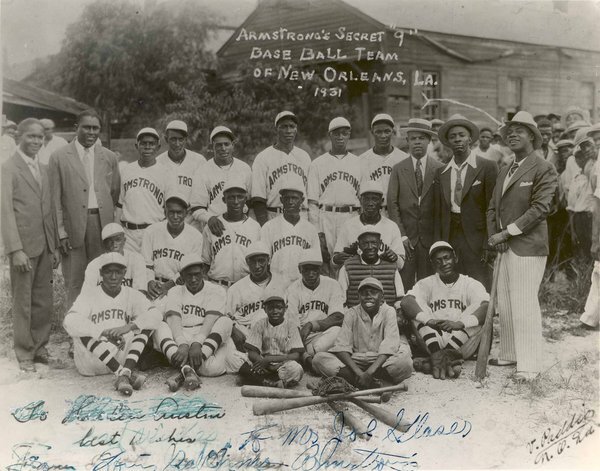
Although a mainstay of baseball’s minor and Negro leagues since the dawn of the sport’s professional era in the late 1800s (including Louis Armstrong’s well-outfitted, attention-grabbing, but largely lamentable 1931 barnstorming “Secret Nine” club), Louisiana’s largest city has been considered more of a football town over the last half-century – especially after the arrival of the NFL Saints in 1967.

But it’s the pursuit (and occasional success) of pro basketball that has captured the fancy of local sports entrepreneurs most in the intervening decades – providing the Crescent City with some of its most fascinating, yet oft-forgotten sporting exploits:

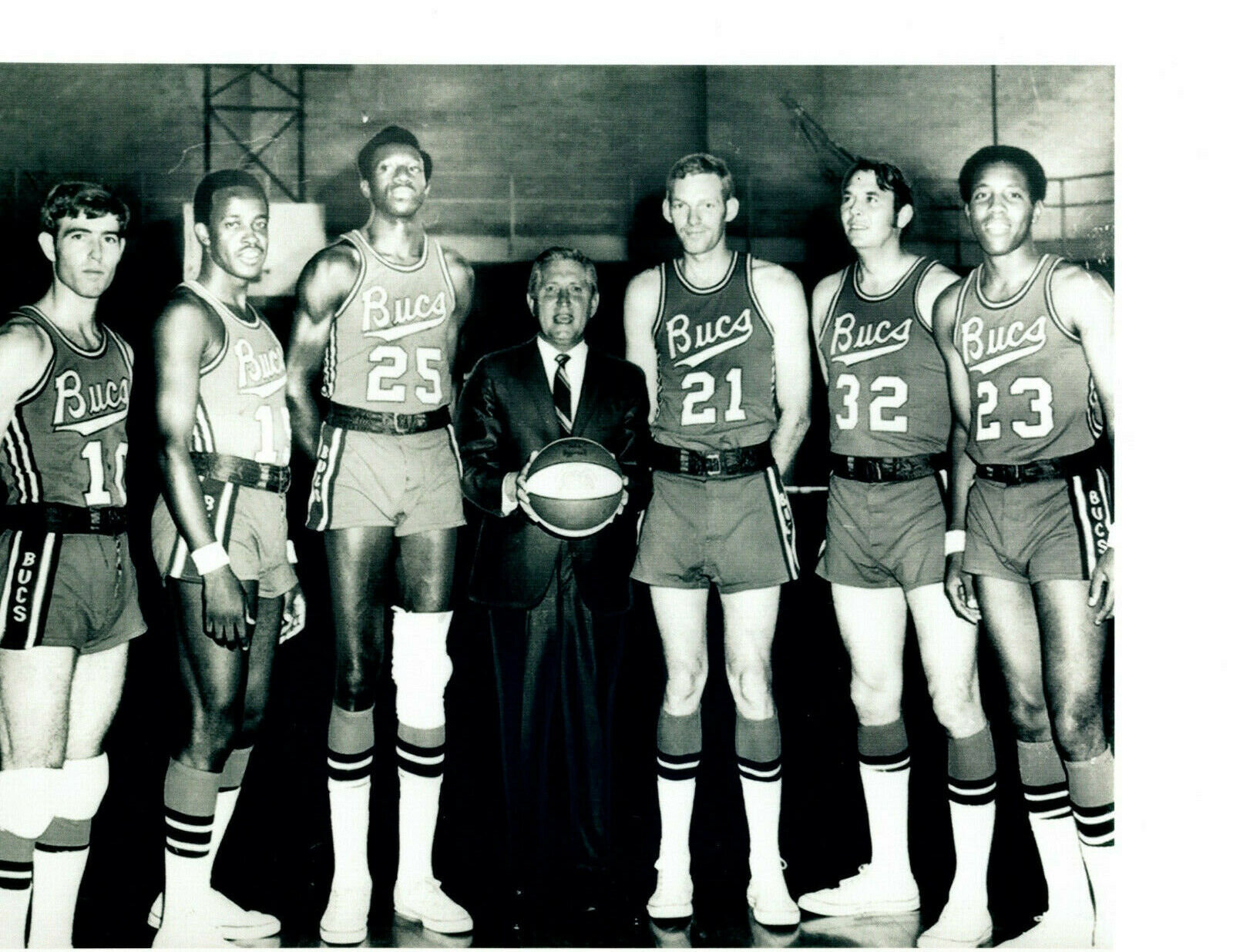
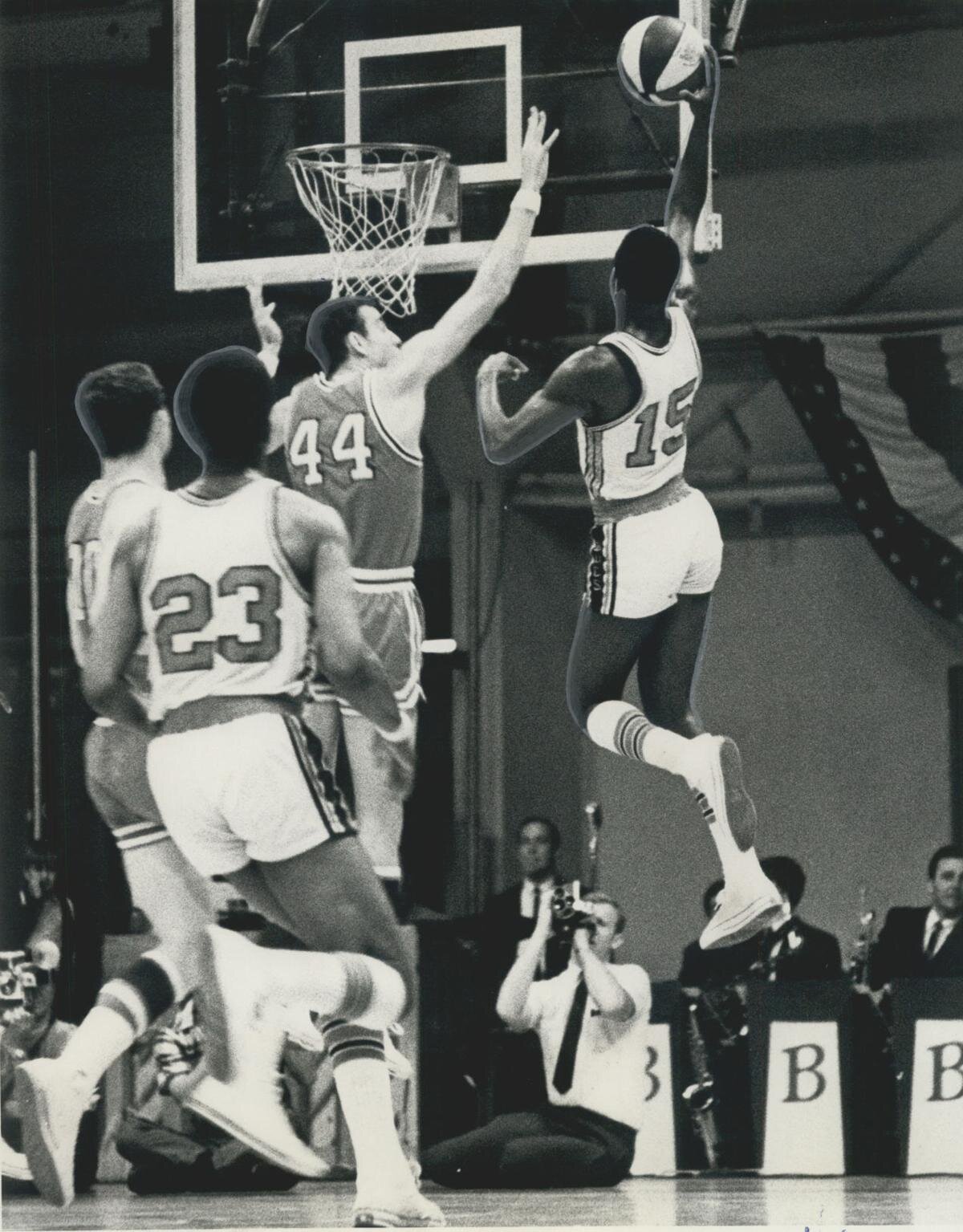
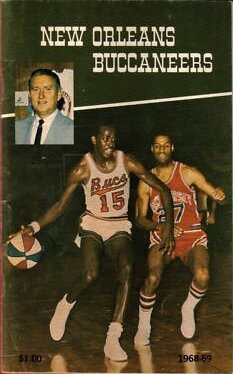
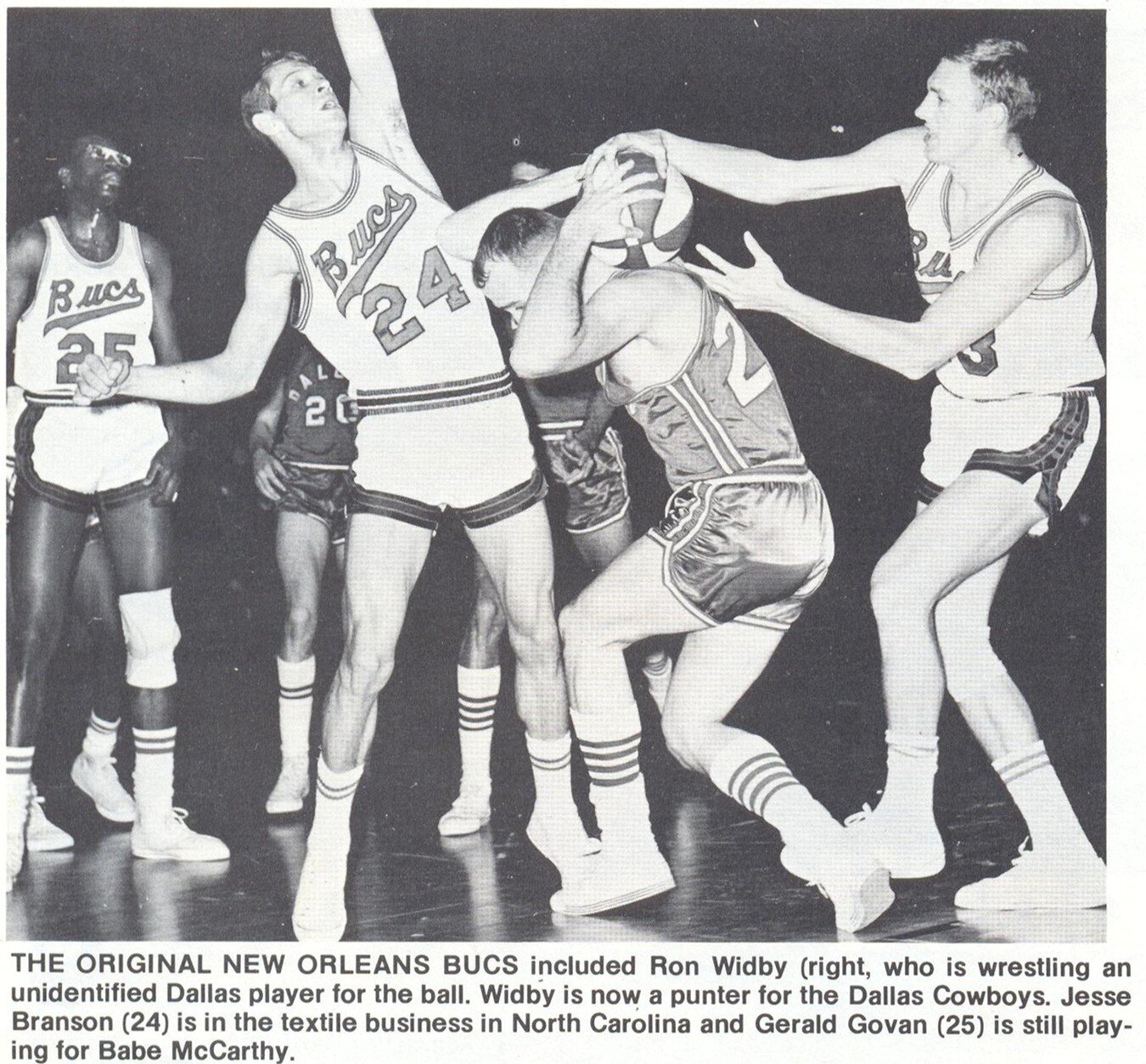
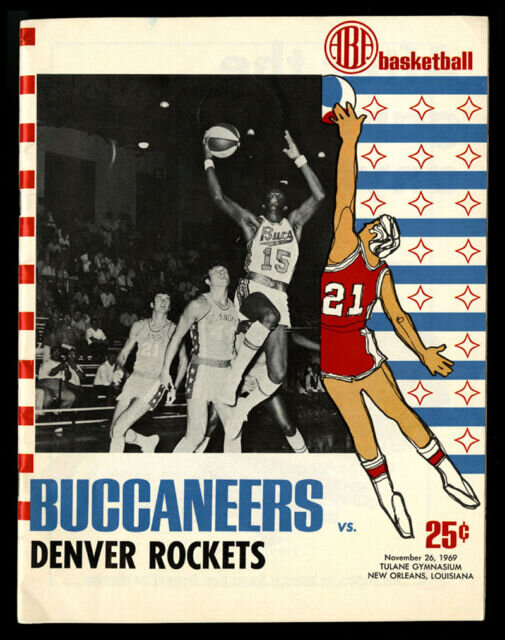
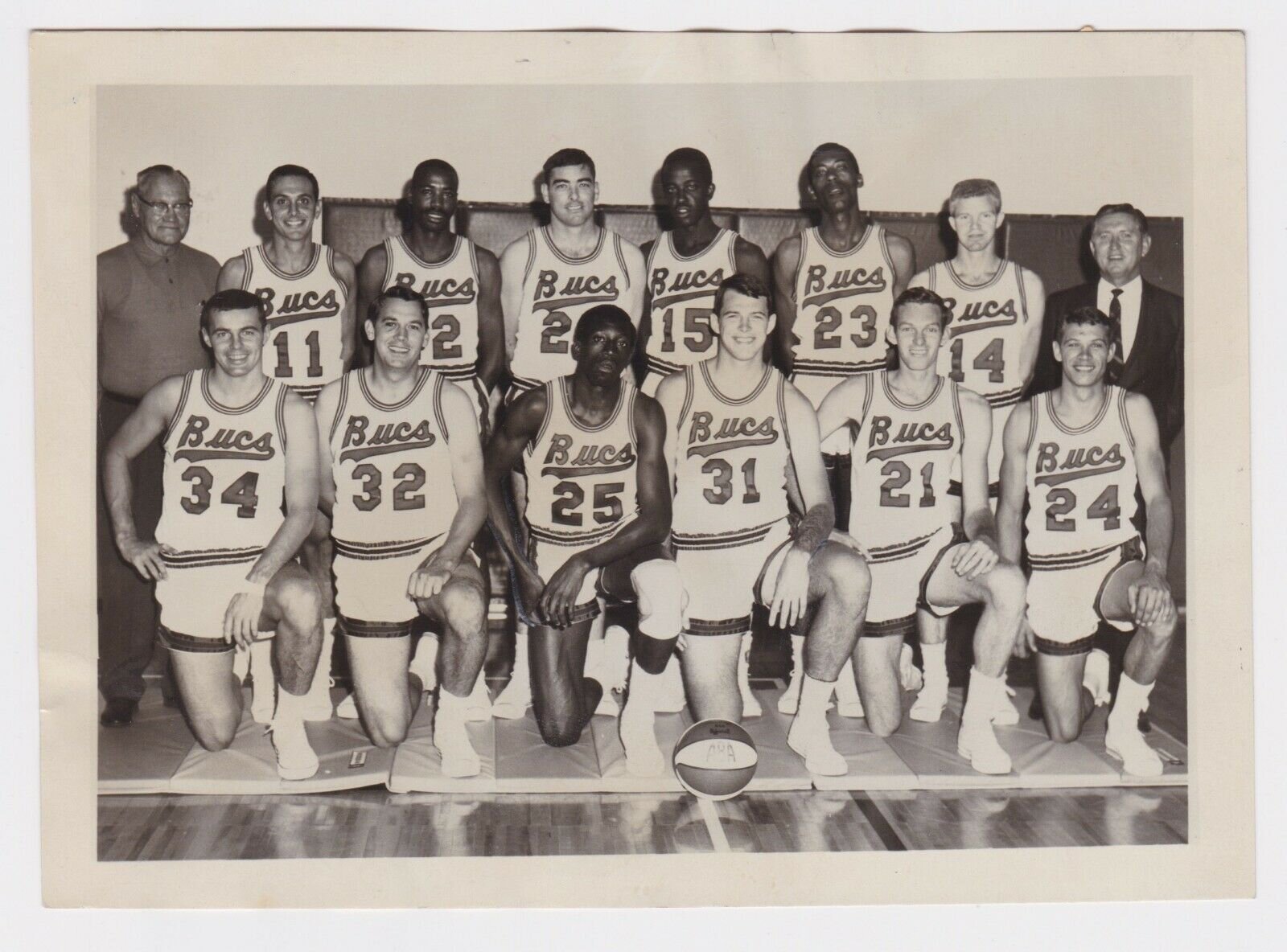
  • The American Basketball Association’s Buccaneers (1967-70) – a charter member, who came within one game of winning the league’s first-ever title, before moving to Memphis two seasons later;

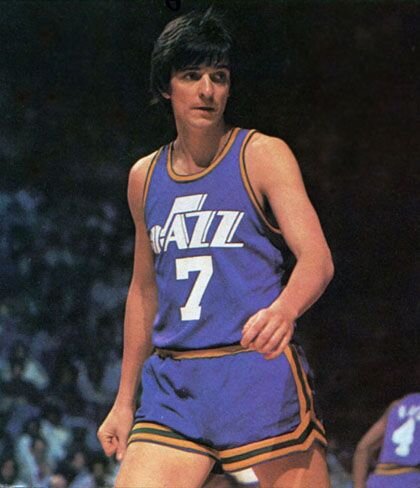
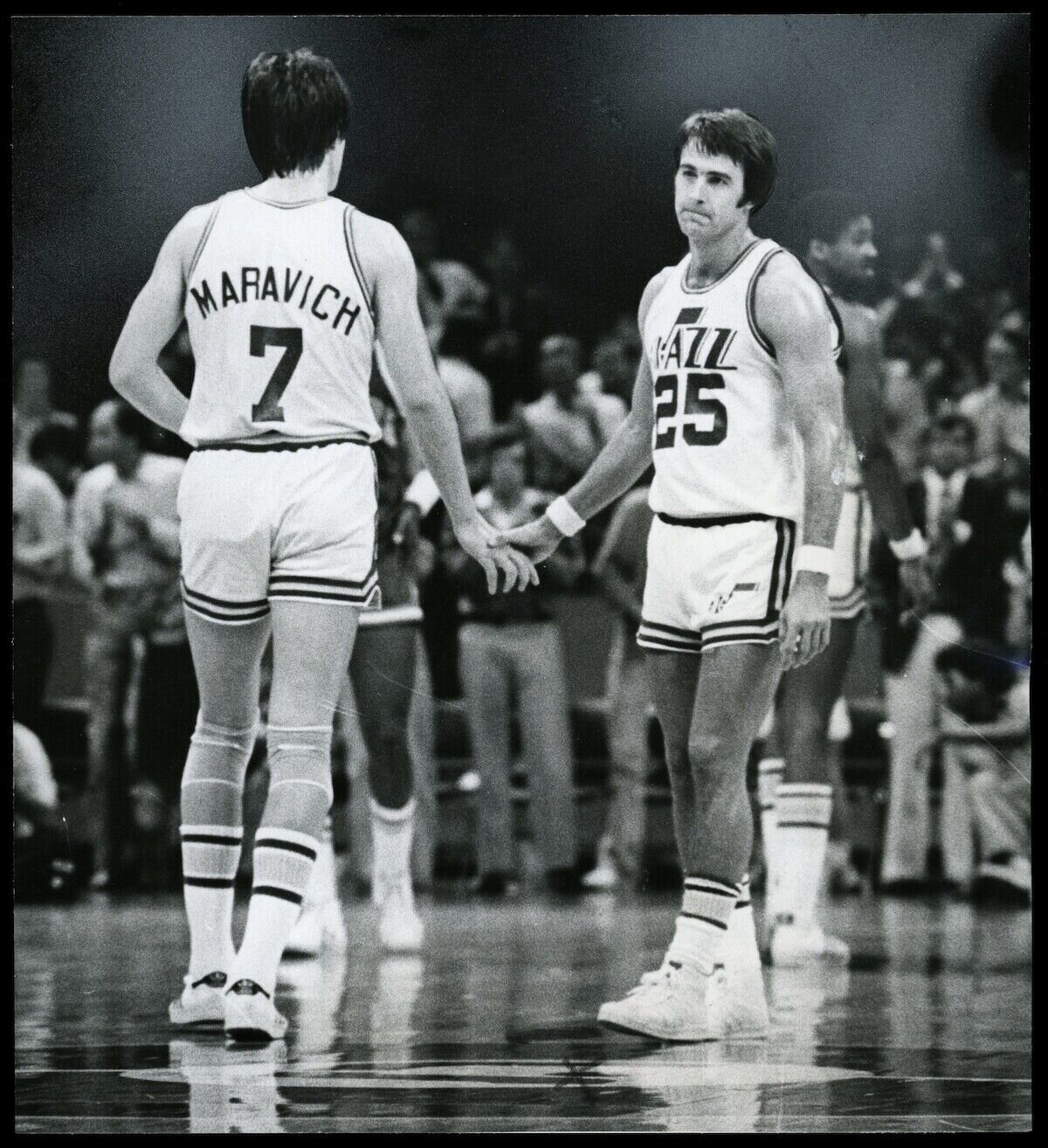
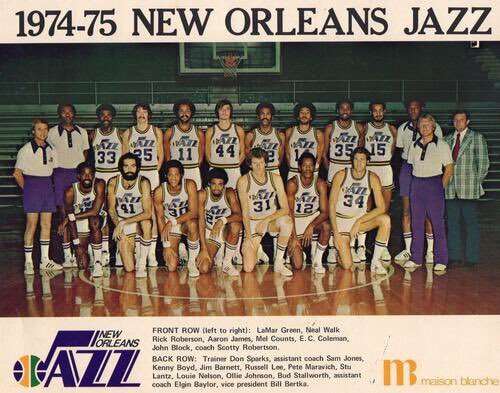
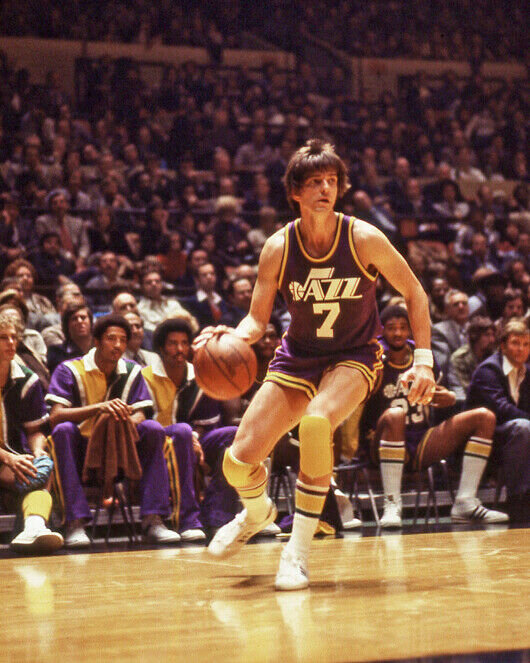
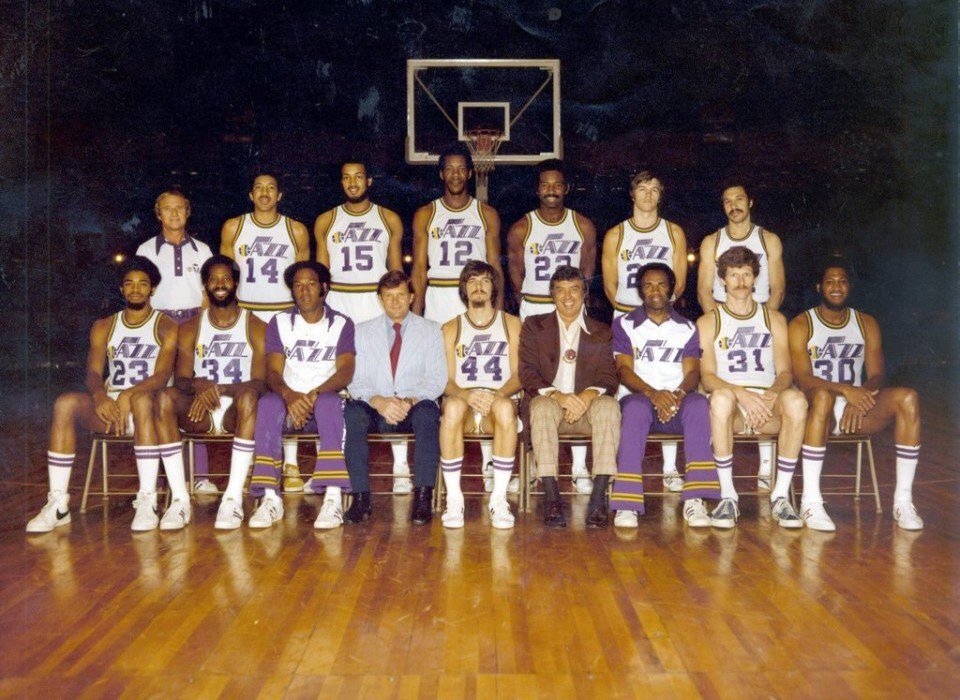
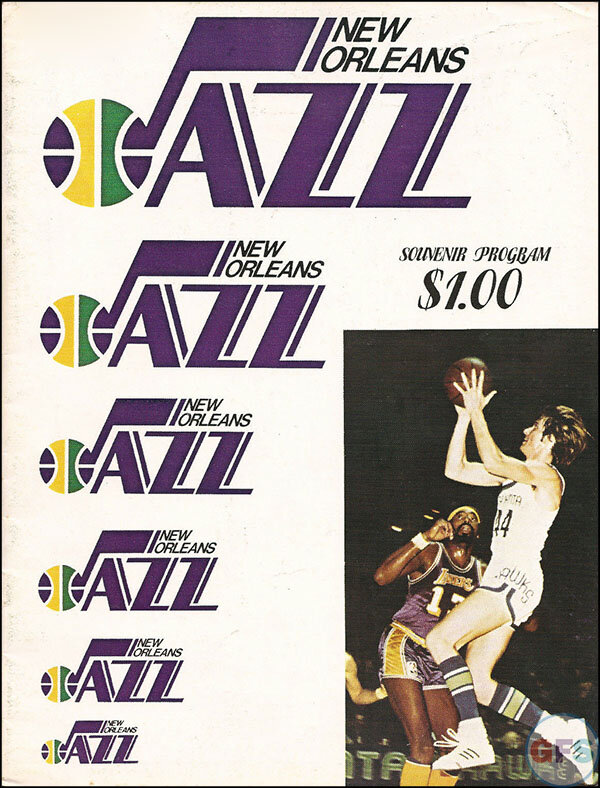
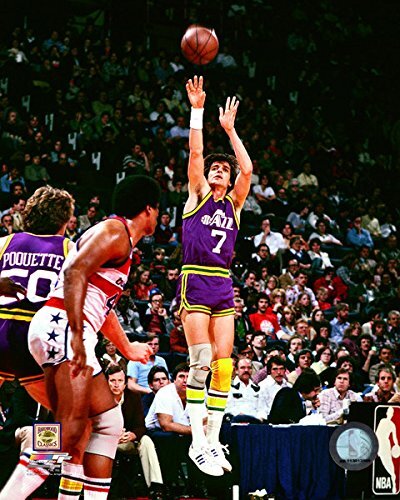
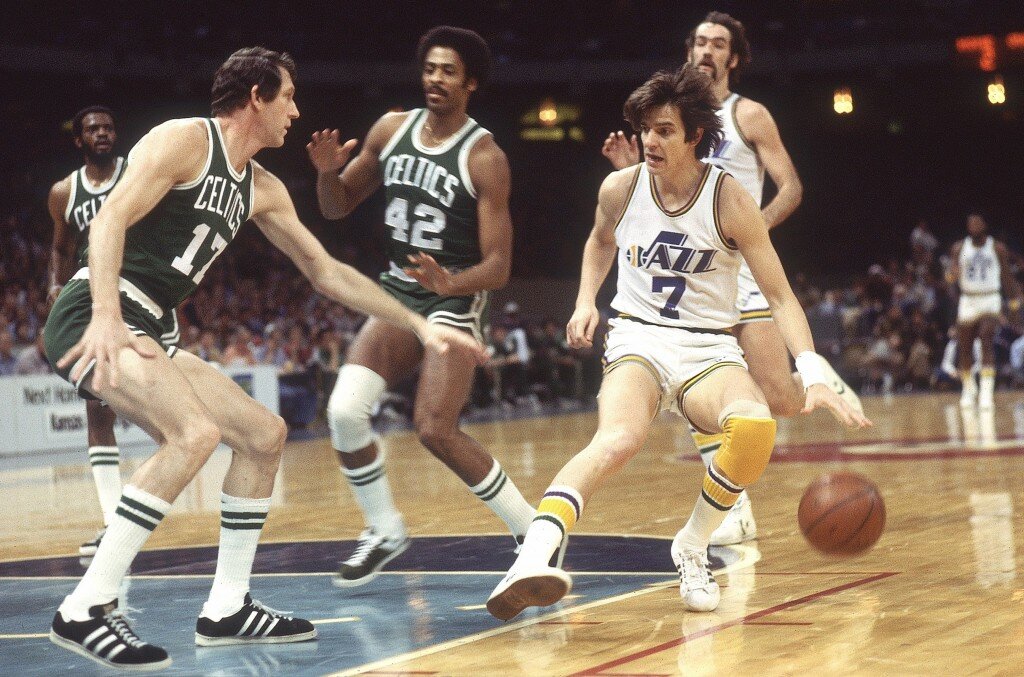
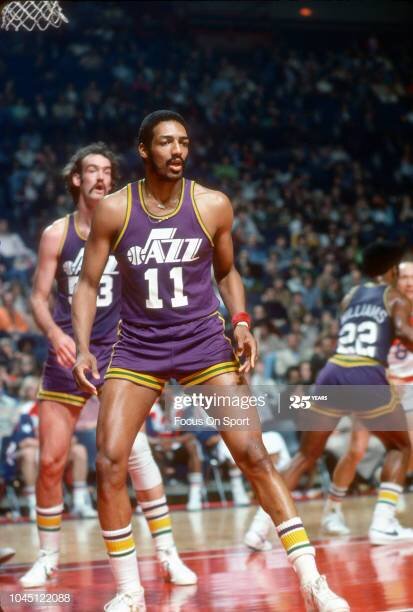
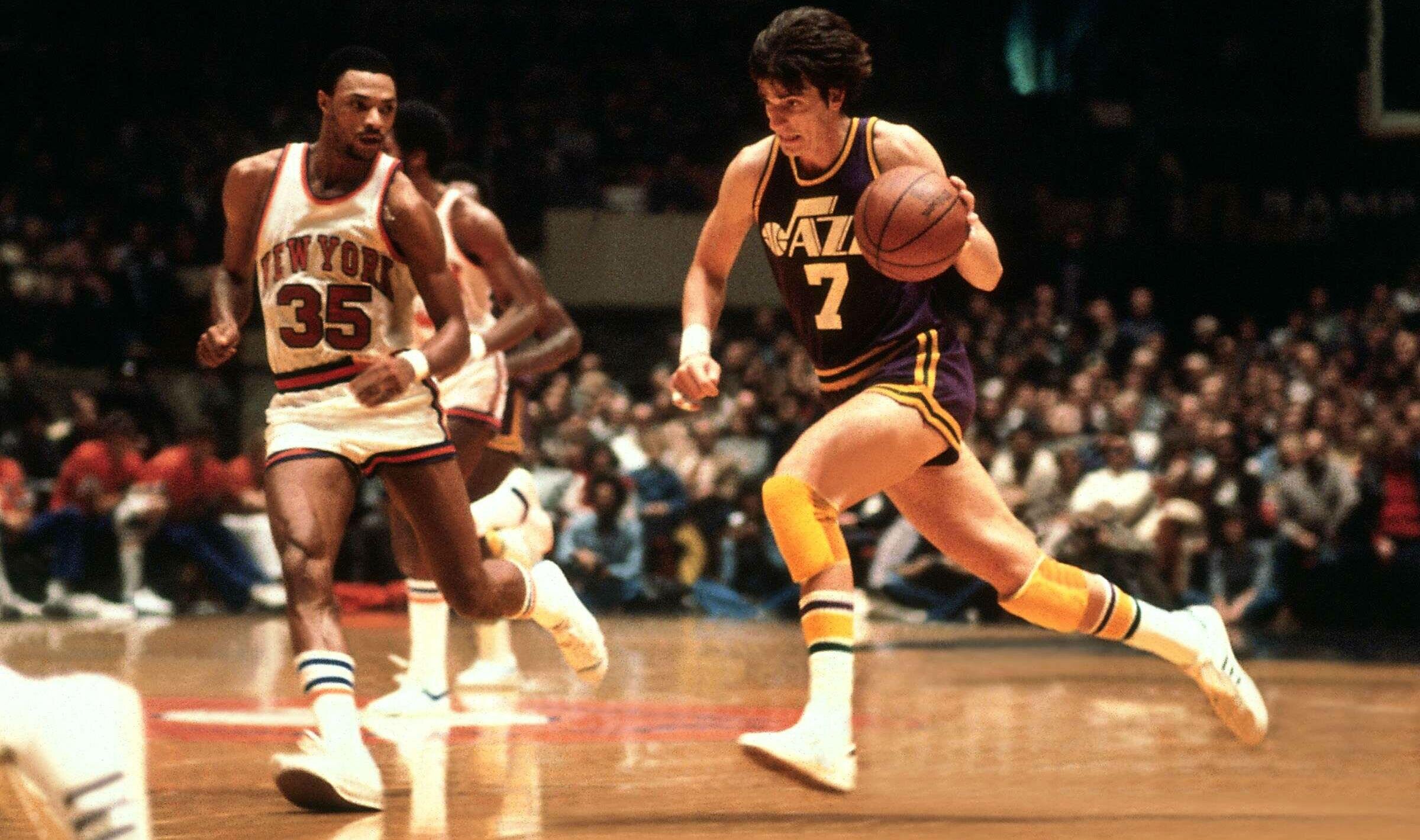
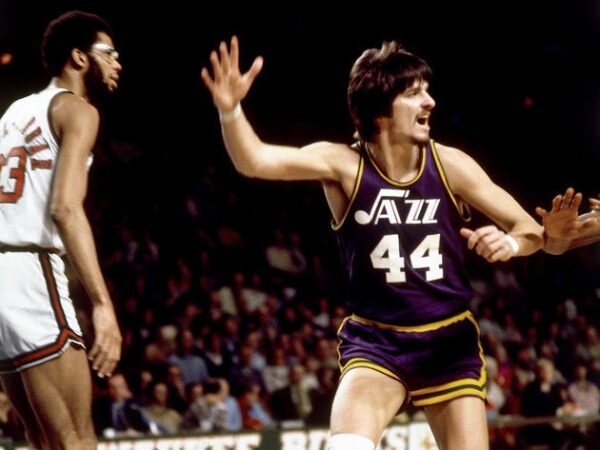
  • The National Basketball Association’s Jazz (1974-79) – an expansion franchise known mostly for the dazzling on-court wizardry of local LSU hero “Pistol” Pete Maravich, and not much else;

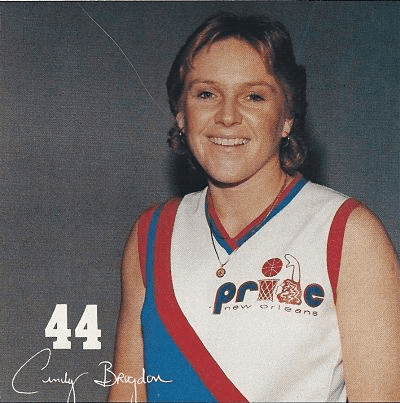
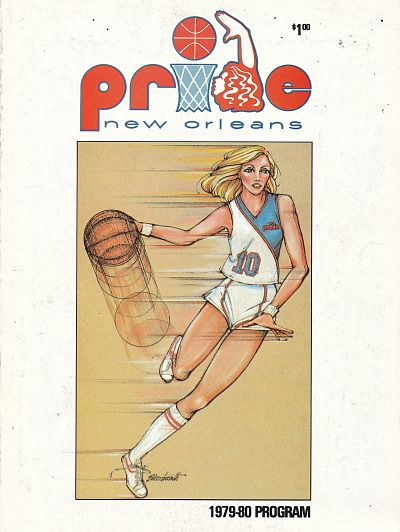
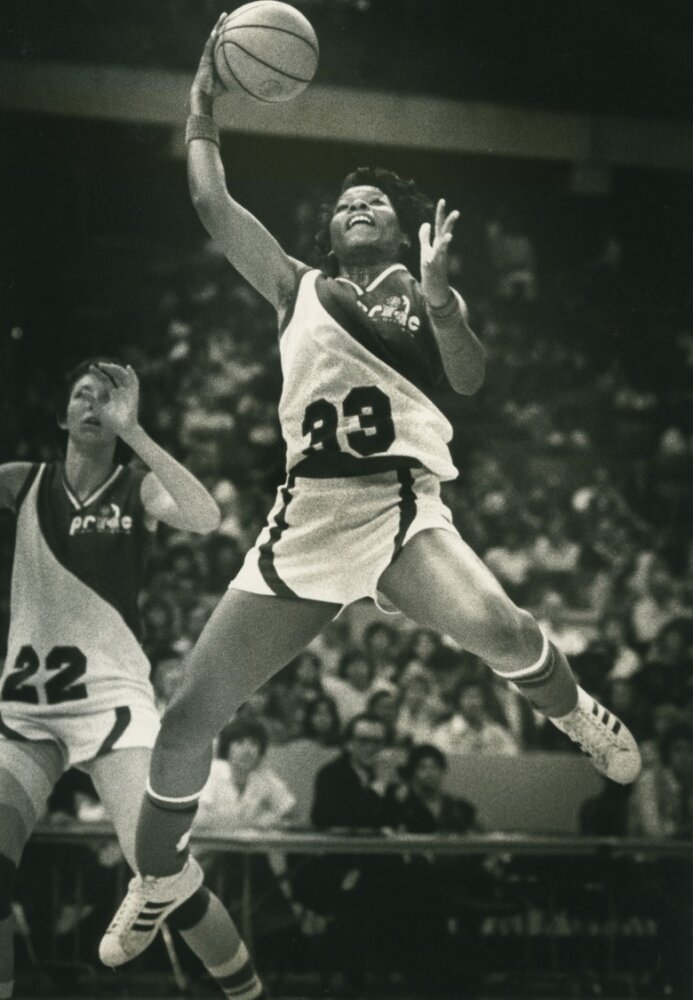
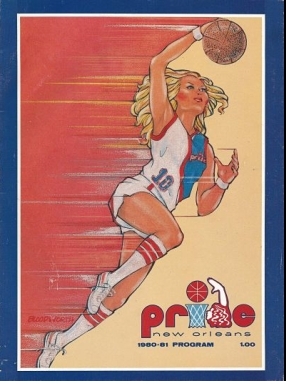
  • The Women’s Professional Basketball League’s Pride (1979-81) – ready-made to take advantage of the region’s strong female collegiate roots and presumptive US women’s success at the (eventually boycotted) 1980 Olympics; AND

  • The arrival of the NBA’s Hornets (now Pelicans) in 2002 – finally cementing the long-term viability of pro basketball in New Orleans.

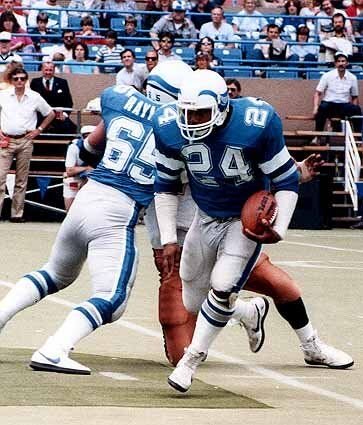
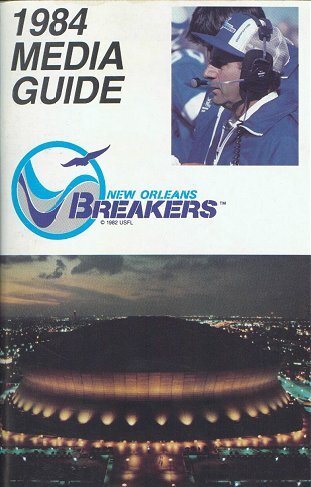
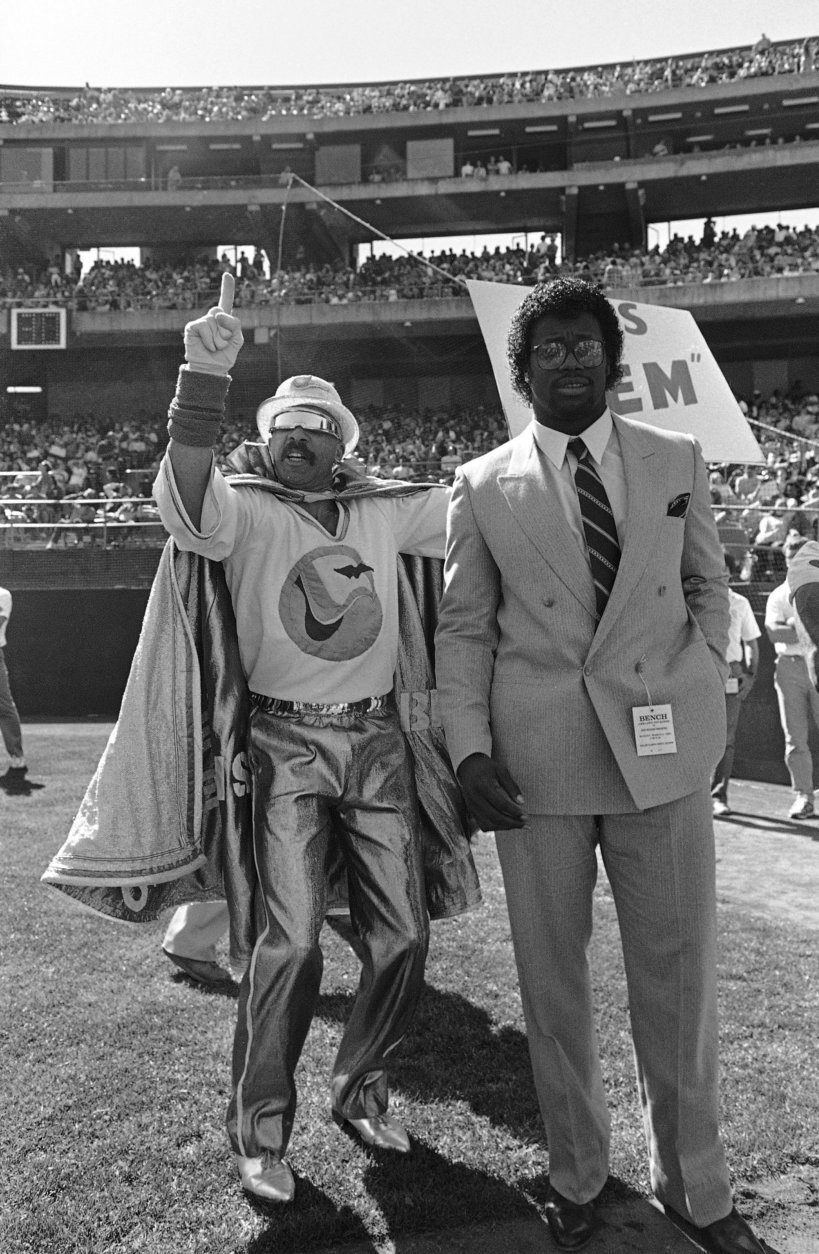
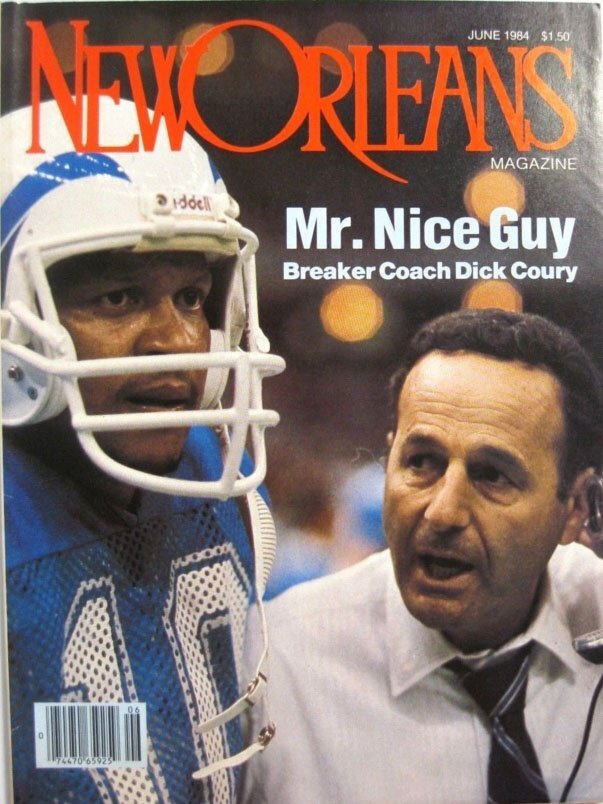
Weldon helps us dig in to all of these points on NOLA’s pro hoops history curve – but also some tantalizing tangents like the one-year incarnation of the USFL’s New Orleans Breakers, and even the “Sun Belt” Nets of the original mid-1970s World Team Tennis.