EPISODE 424: Baseball's Most Outrageous Promotions - With Joseph Natalicchio

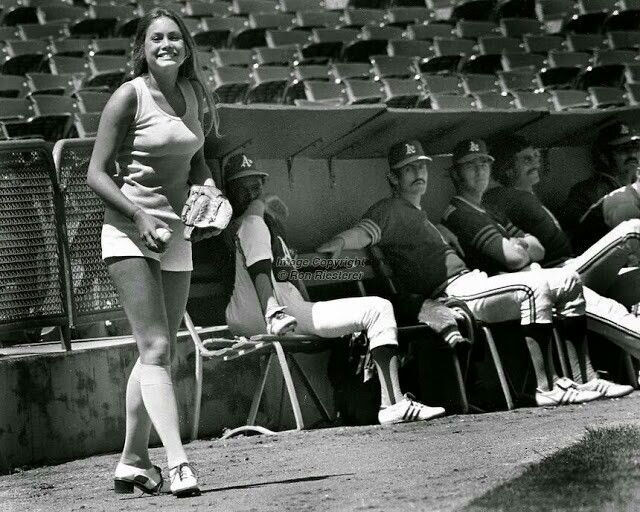
Baseball has long been America’s pastime — and the stage for some of the wildest, most outrageous marketing stunts in sports history. From the postwar era through the 1970s, team owners and promoters pushed the limits of spectacle to fill seats, generate buzz, and entertain fans, often blurring the line between creativity and chaos.

This week, "Baseball’s Most Outrageous Promotionsauthor Joe Natalicchio joins for a wild ride across some of the sport’s most infamous attempts to spice things up at the ol' ballpark - where good marketing intentions went mightily awry.

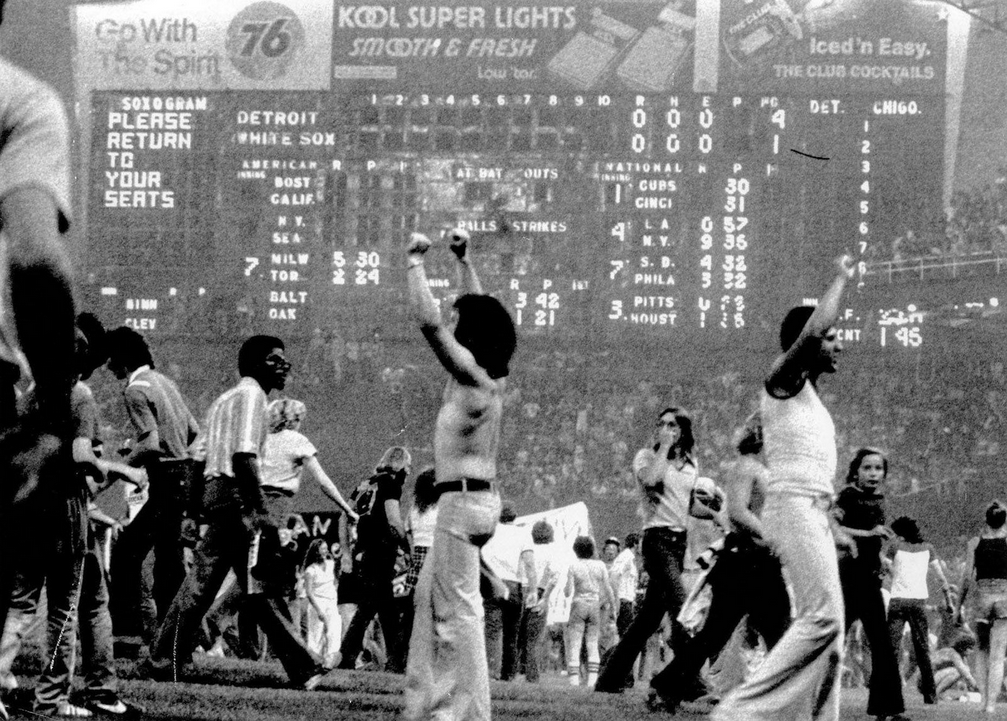
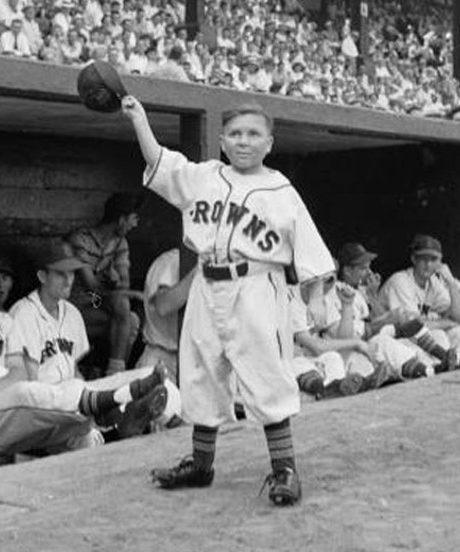
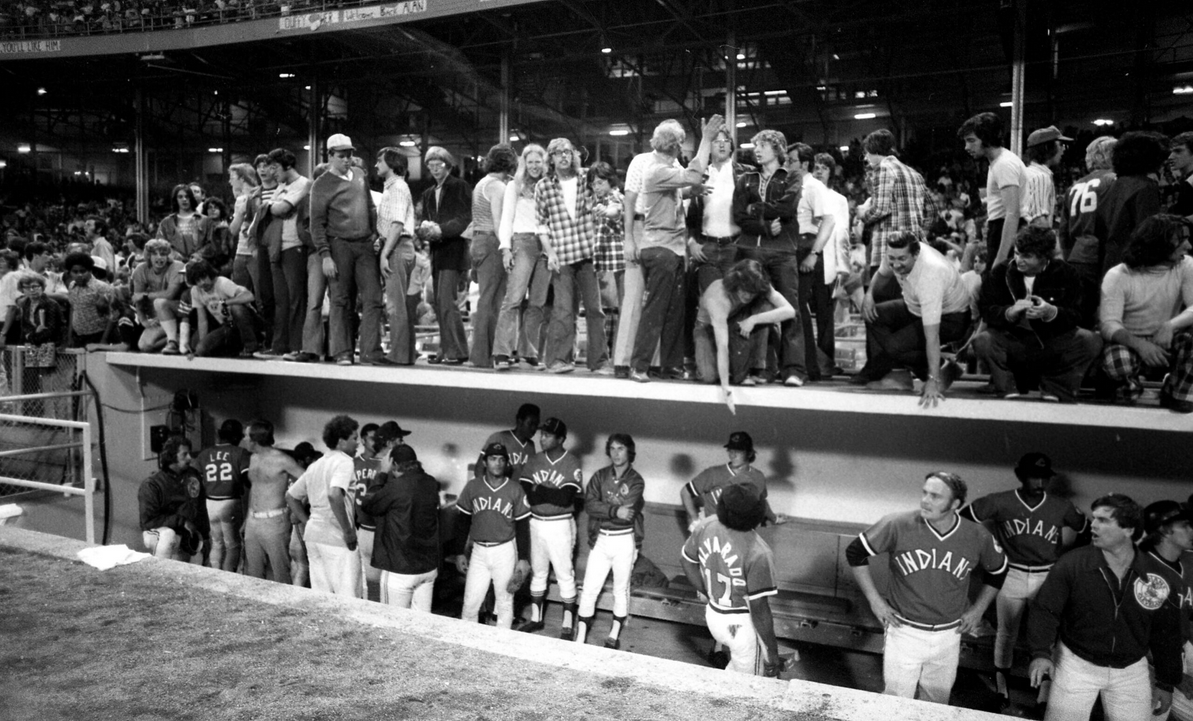
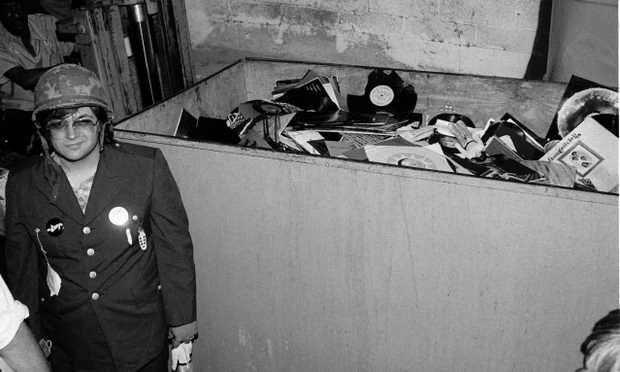
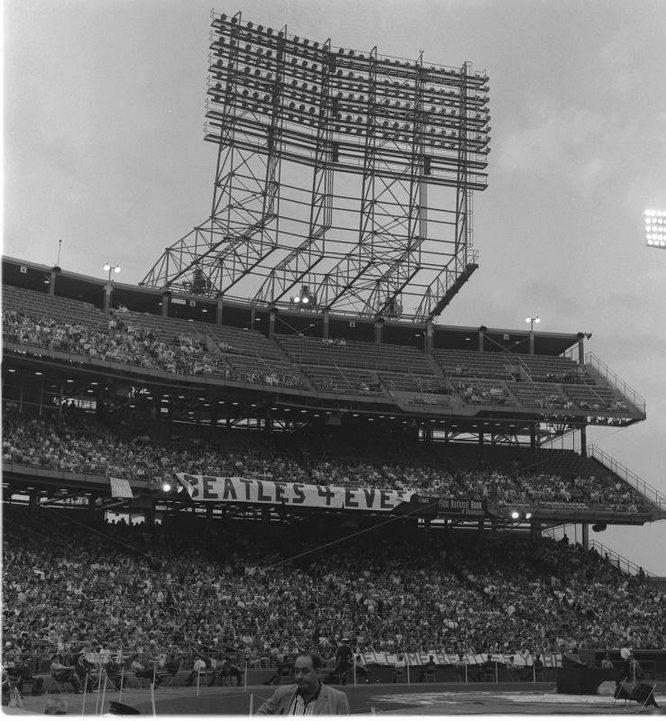
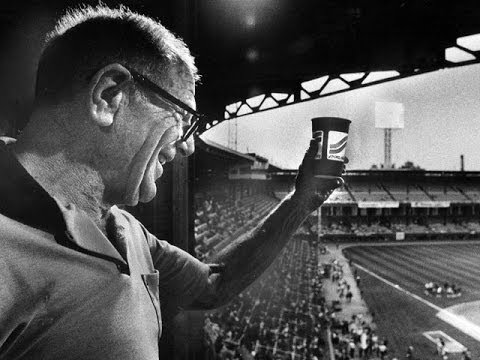
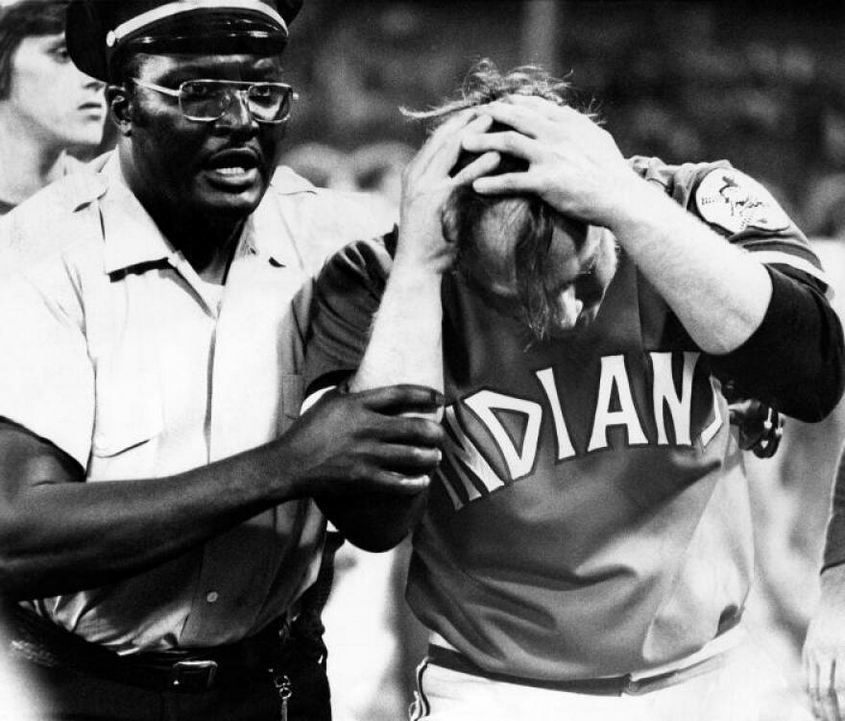
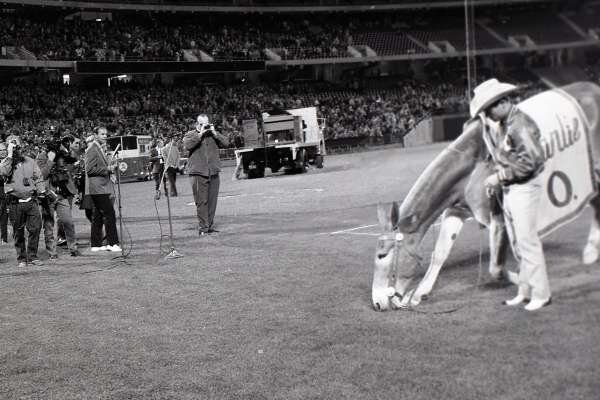
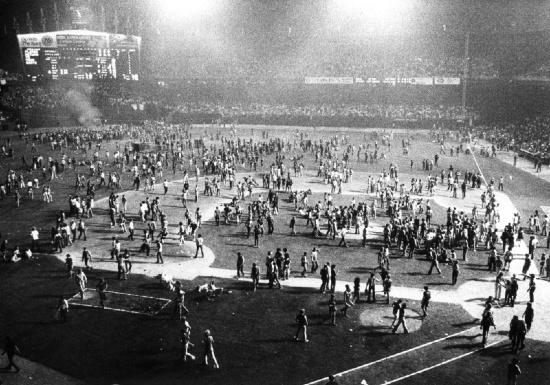
Natalicchio takes us behind the scenes of the Chicago White Sox's notorious "Disco Demolition Night," where exploding records sparked a full-blown riot; the St. Louis Browns' "Grandstand Managers’ Night, which turned fans into on-field decision-makers; the Cleveland Indians' infamous "Ten-Cent Beer Night," a drunken frenzy that ended with fans storming the field; and the legendary story of 3-foot, 7-inch tall Browns pinch-hitter Eddie Gadel, who flummoxed the Detroit Tigers with a one-plate appearance/walk in a 1951 game forever enshrined in the MLB record book. 

Beyond the laughs and jaw-dropping stories, Natalicchio explains why baseball became synonymous with over-the-top promotions, how these events reflect broader cultural shifts, and what they reveal about the delicate balance between fan engagement, entertainment, and safety.

Whether you’re a die-hard fan, a student of sports history, or fascinated by the intersection of marketing and mischief, this episode offers a revealing, entertaining, and sometimes shocking look at baseball at its most outrageous — and unforgettable.
Baseball's Most Outrageous Promotions: From Wedlock and Headlock Day to Disco Demolition Nightbuy book here

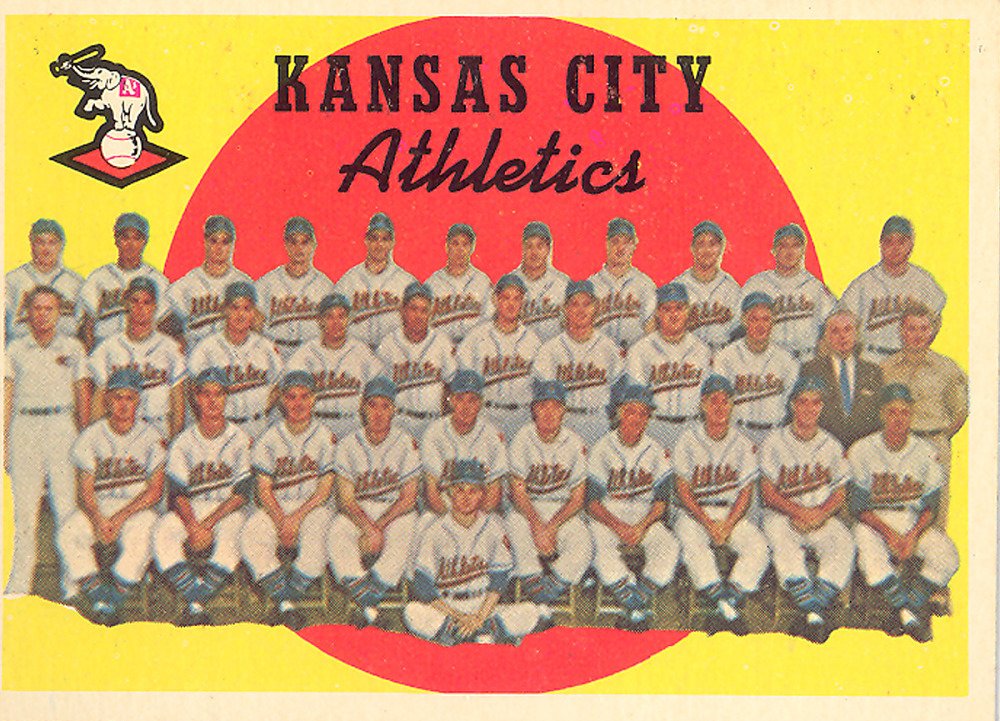
EPISODE 275: Kansas City As & Houston Colt .45s Memories - With Addie Beth Denton

As a young girl growing up in tiny, rural Throckmorton, Texas in the mid-1950s, memoirist Addie Beth Denton ("108 Stitches: A Girl Grows Up With Baseball") had only a vague understanding of what her father and uncle did for a living - except that they seemed to always be talking about baseball.

Only as she grew older did she come to realize all that discussion - not to mention her bevy of annual summertime excursions to professional parks all over the country - was much more than just a passing family curiosity.

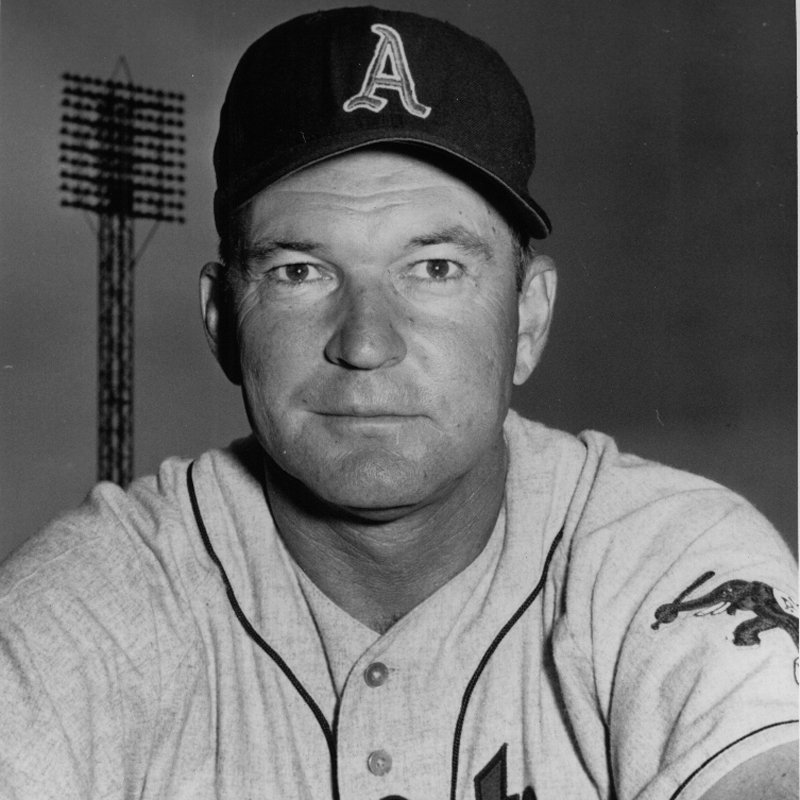
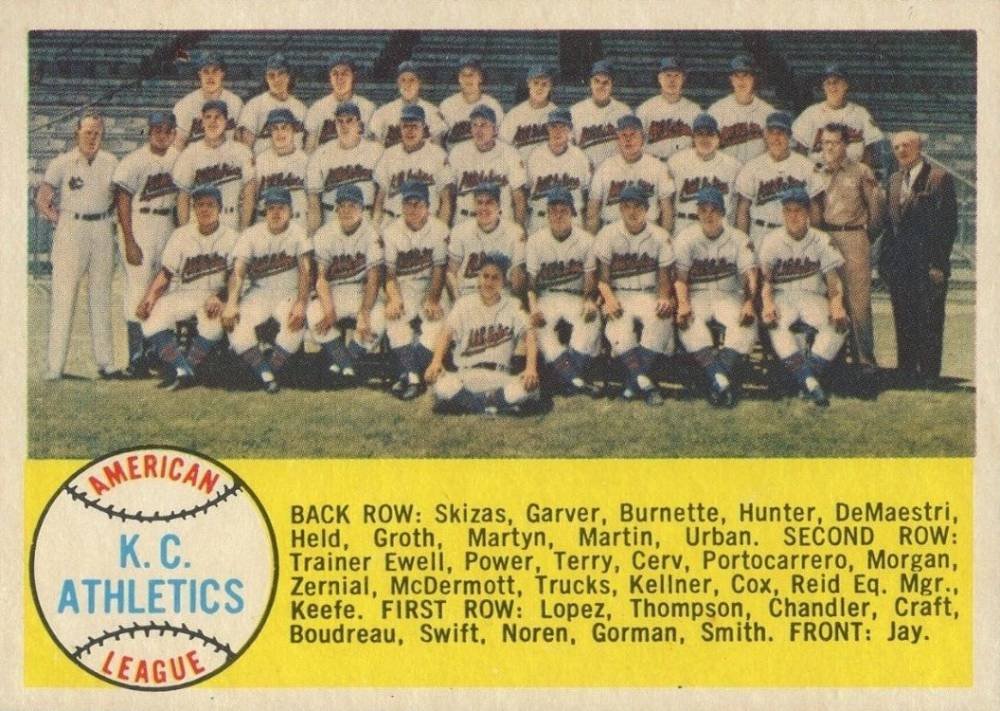
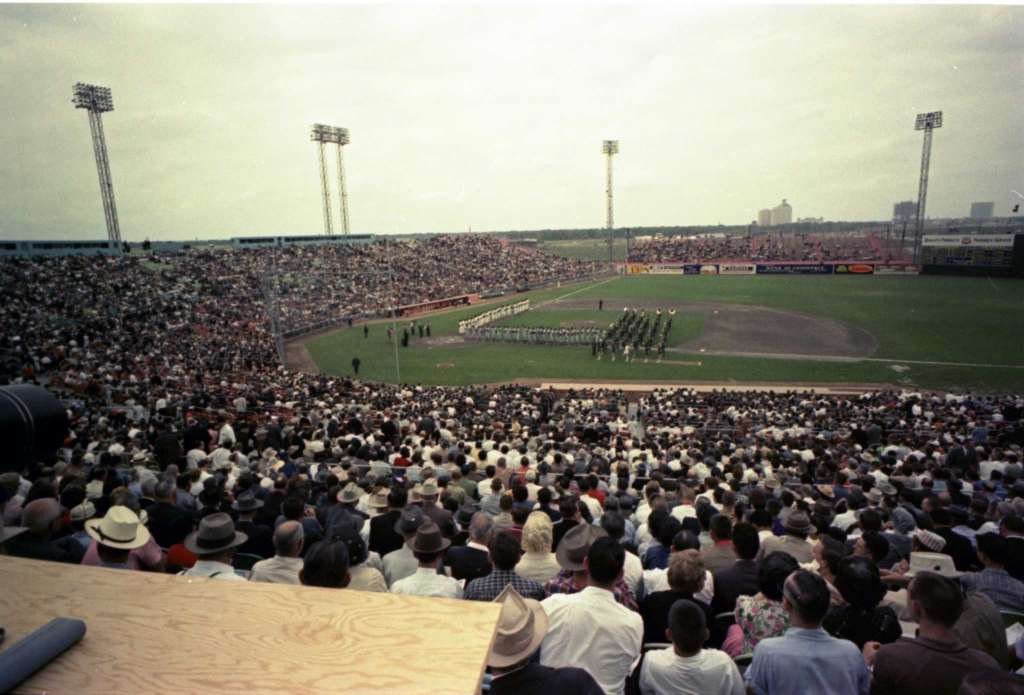
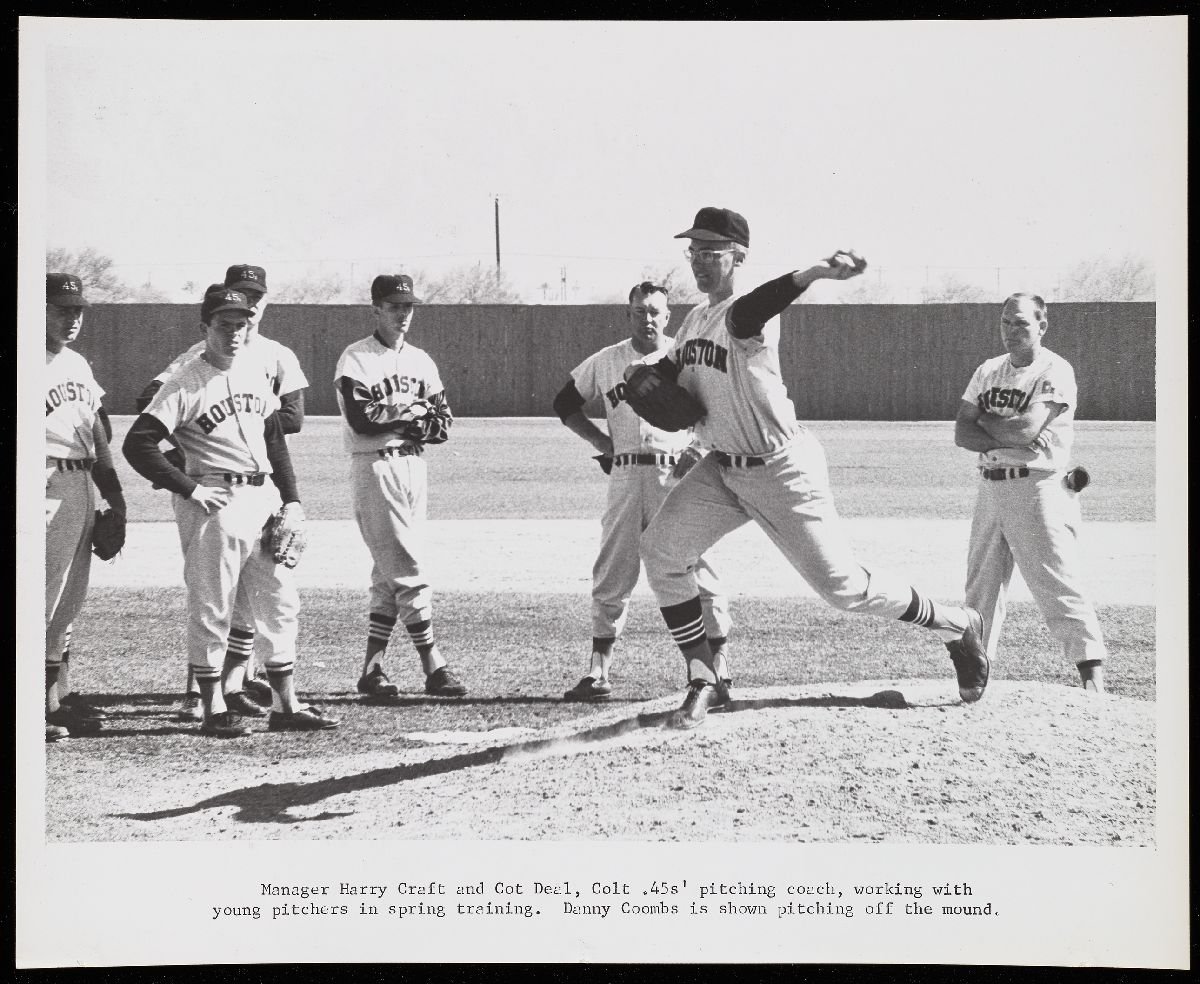
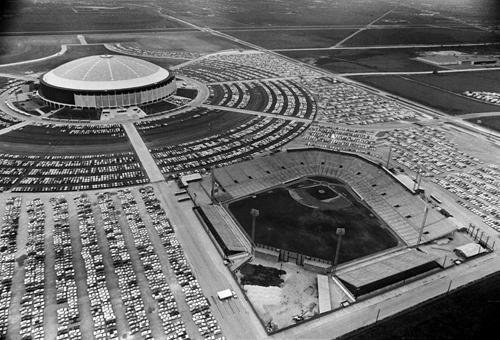
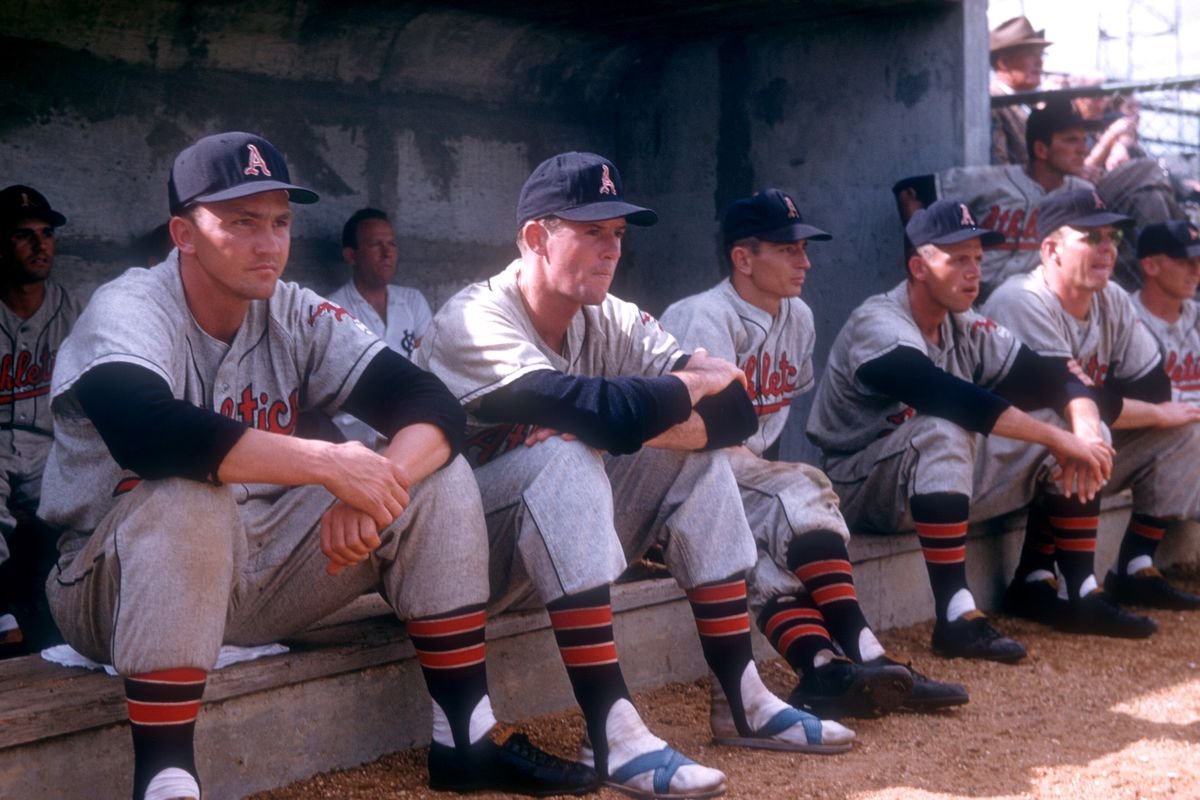
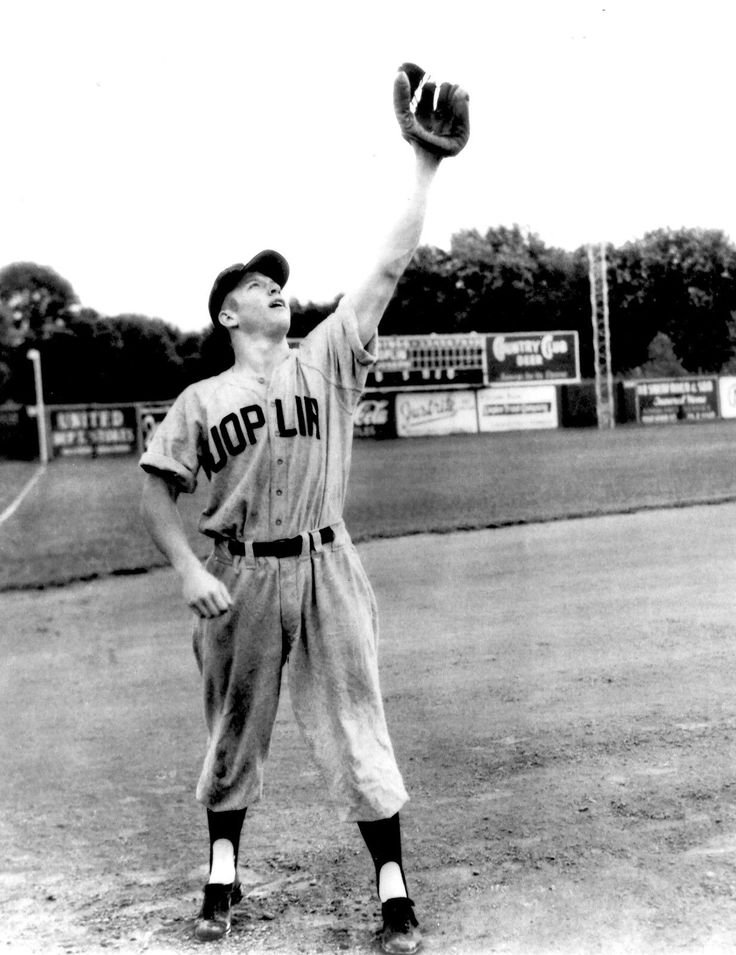
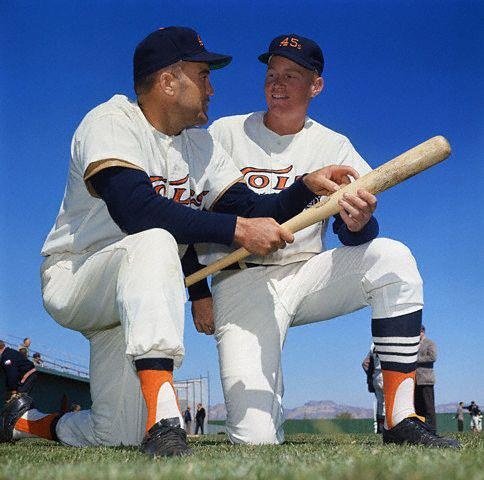
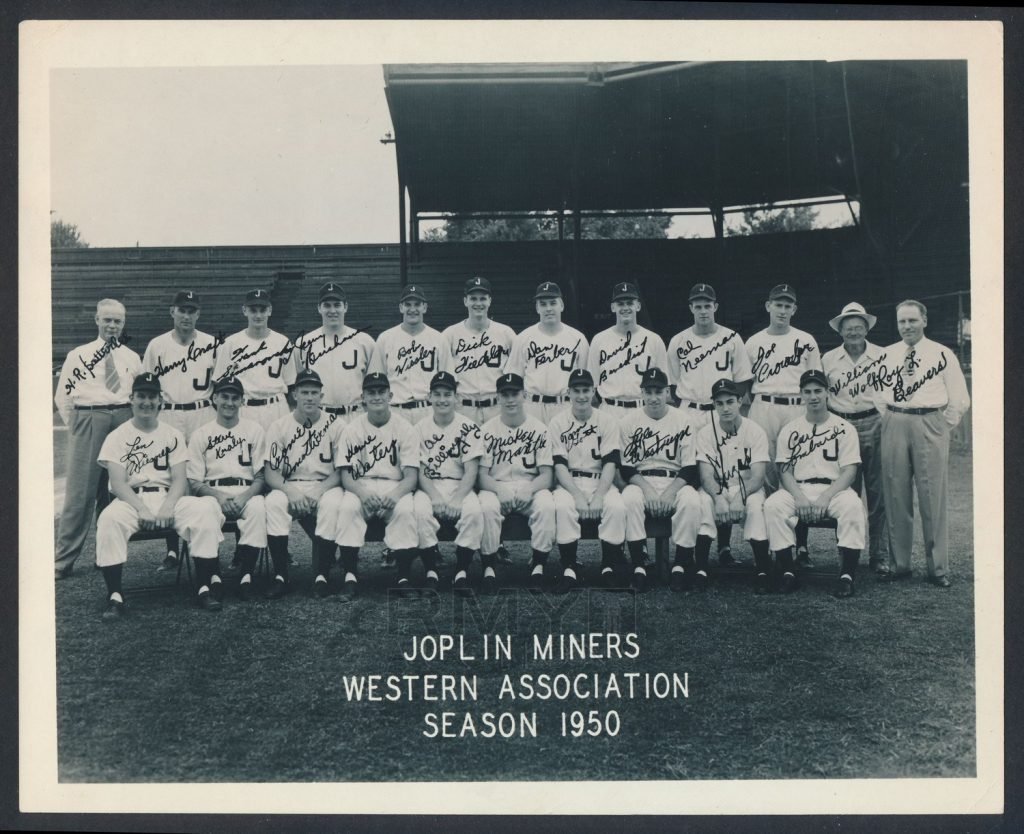
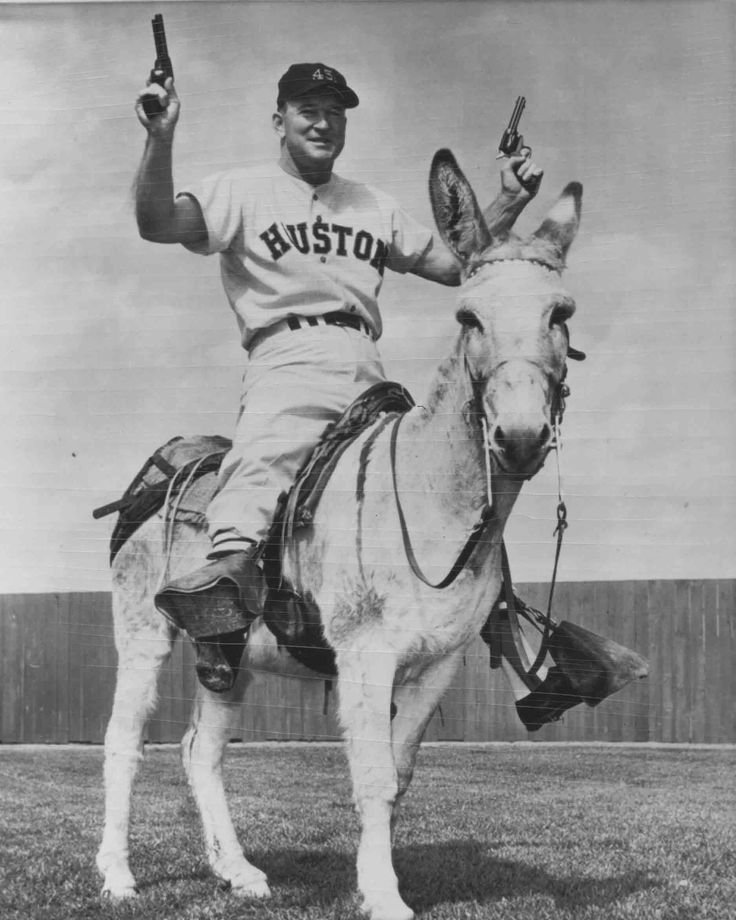
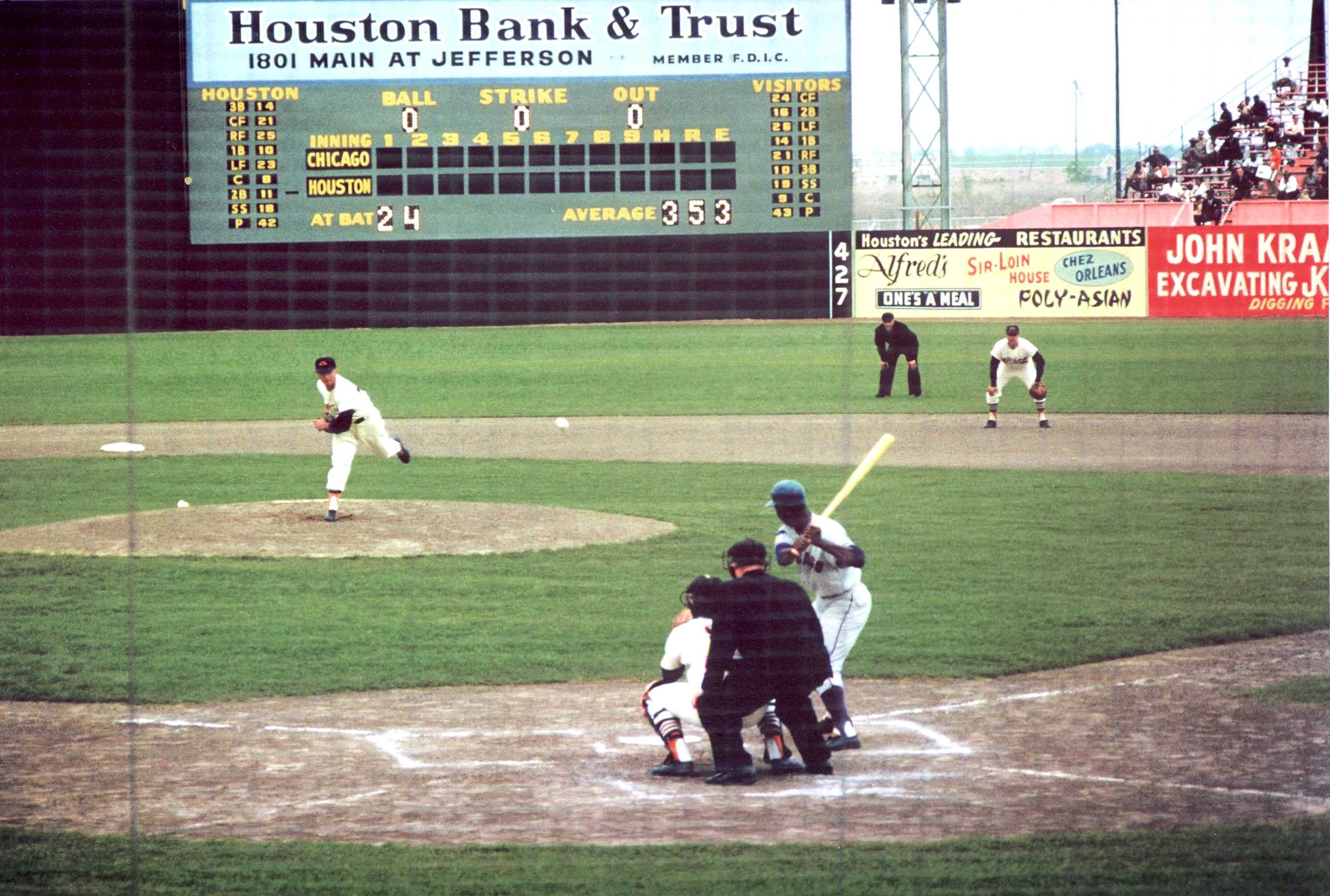
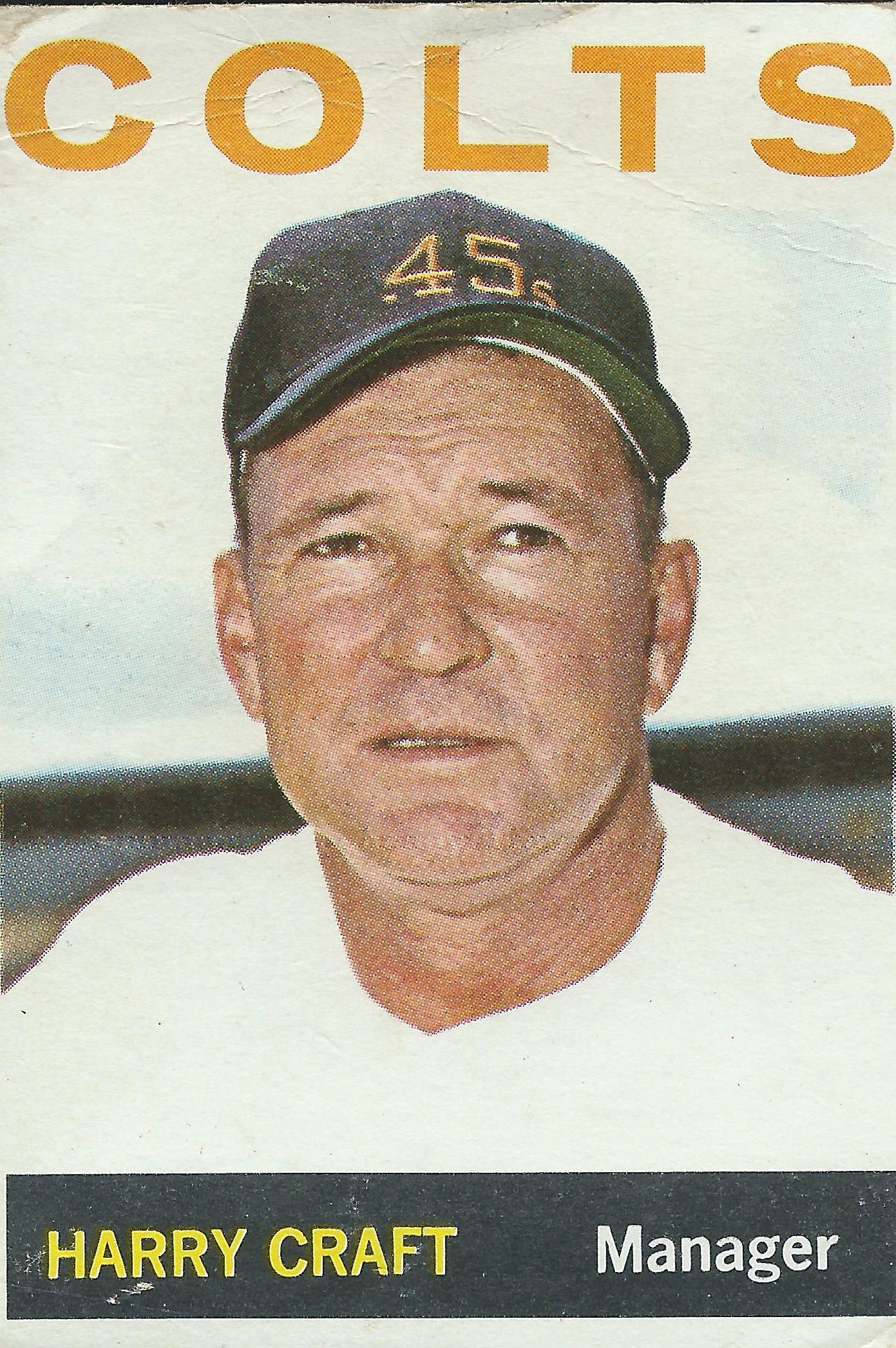
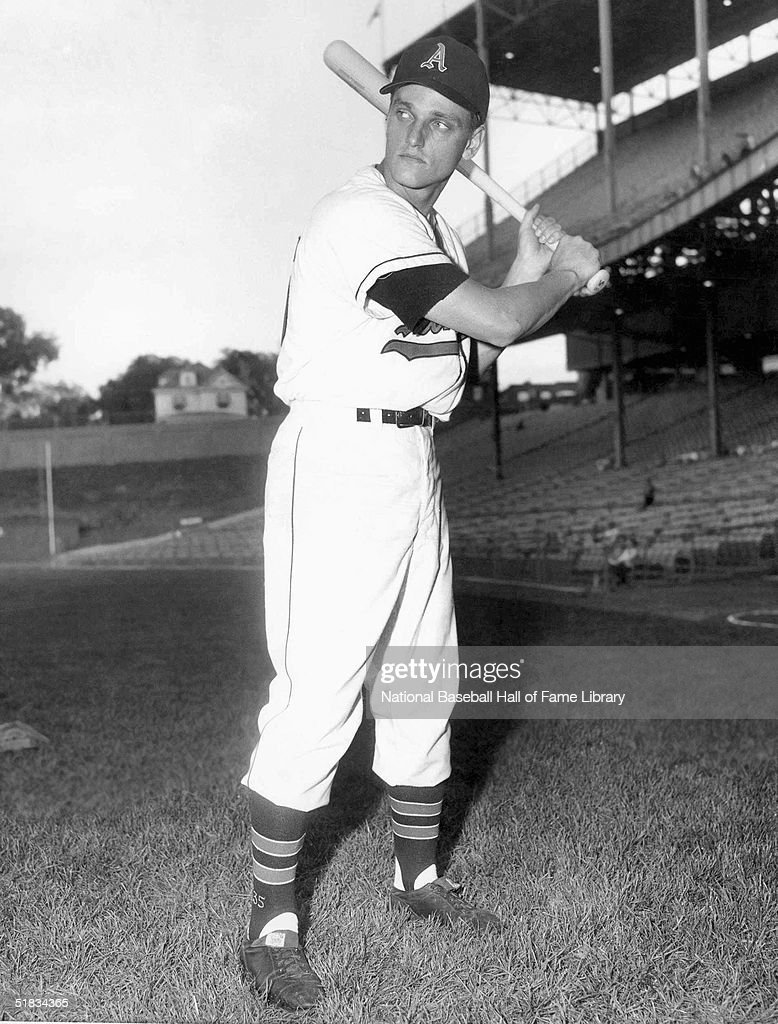
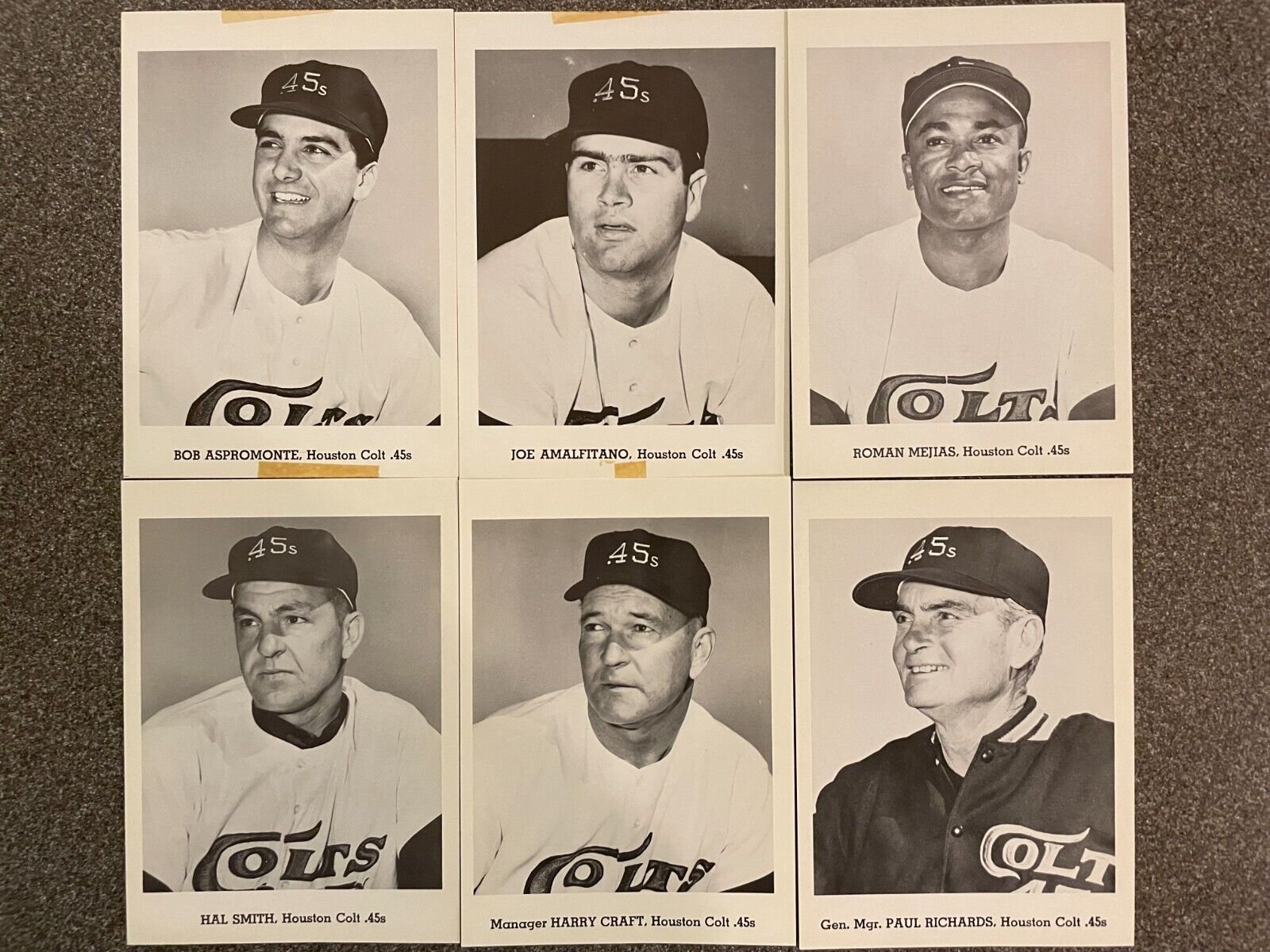
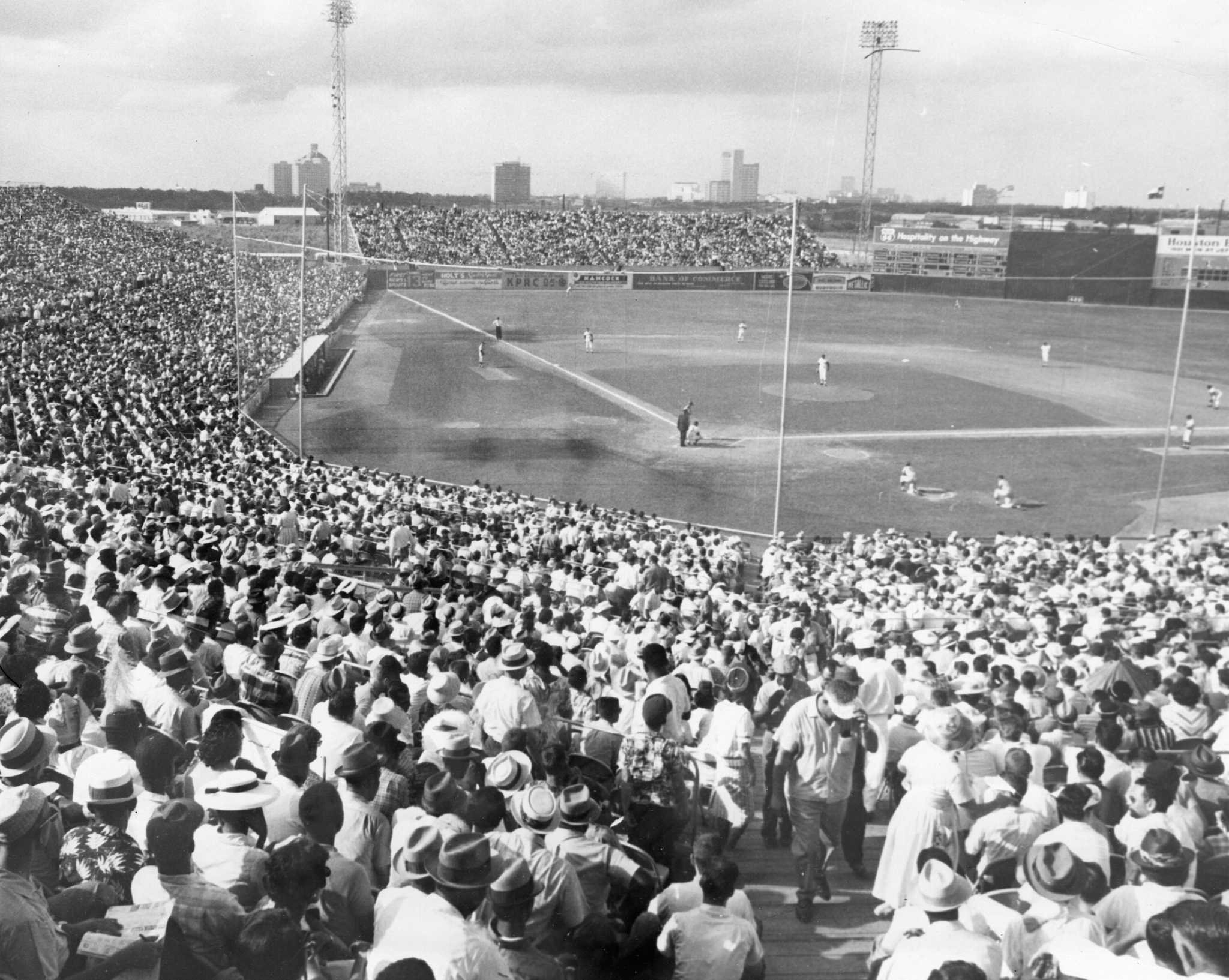
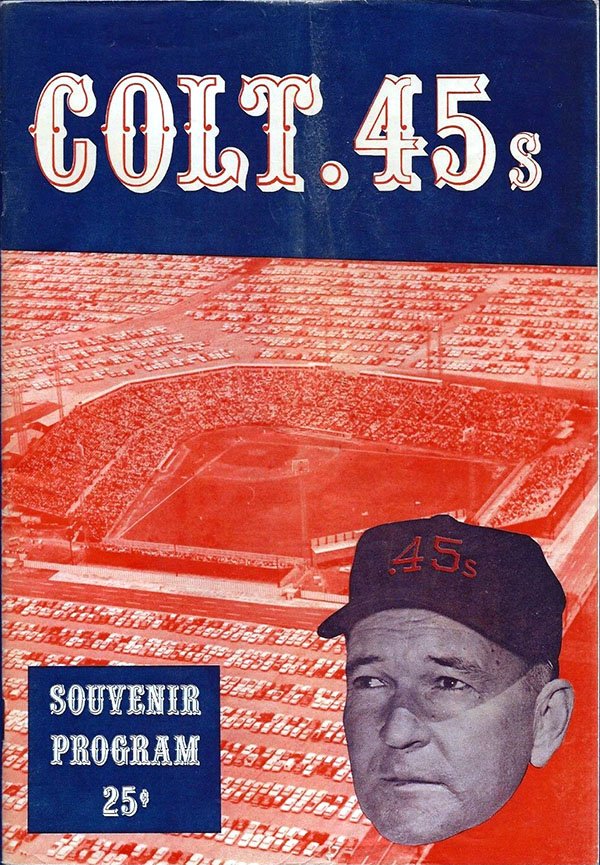
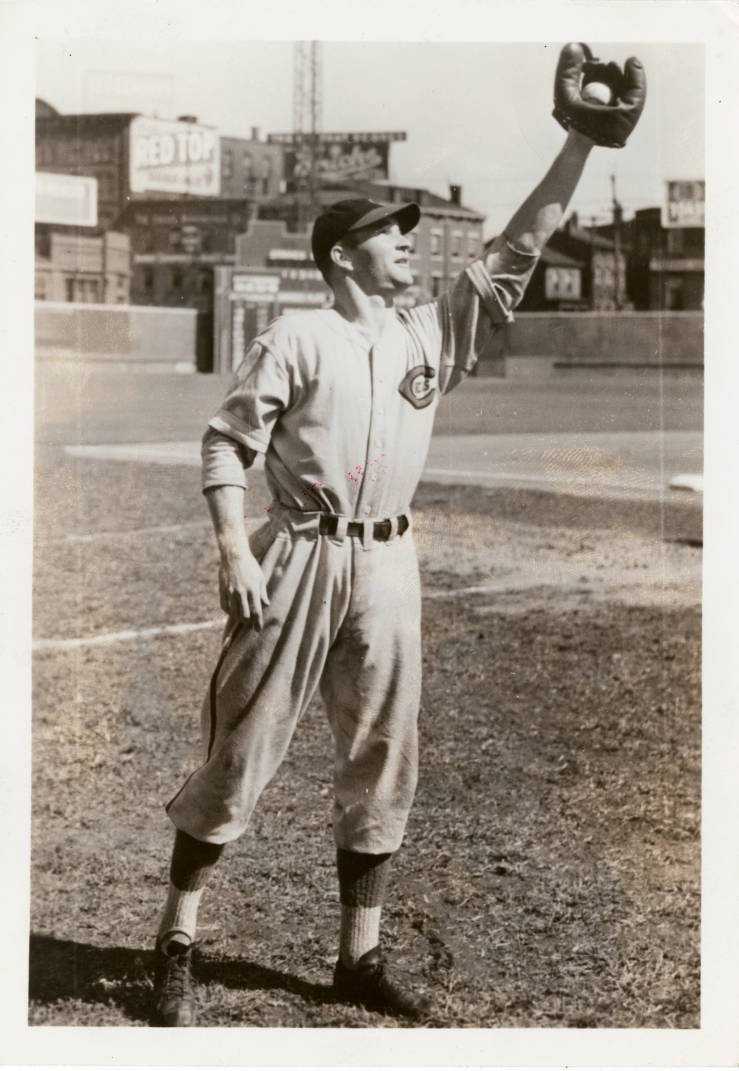
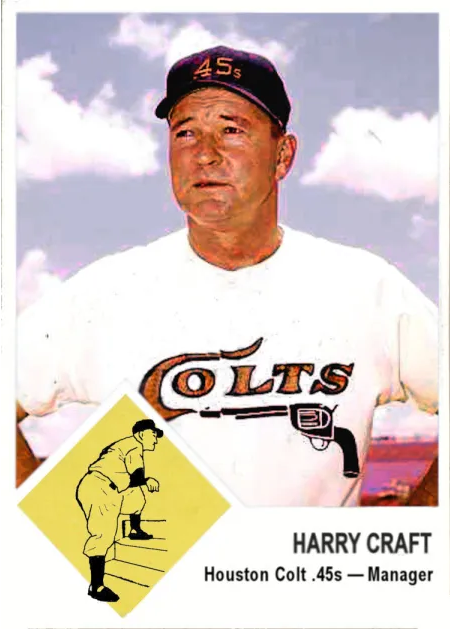
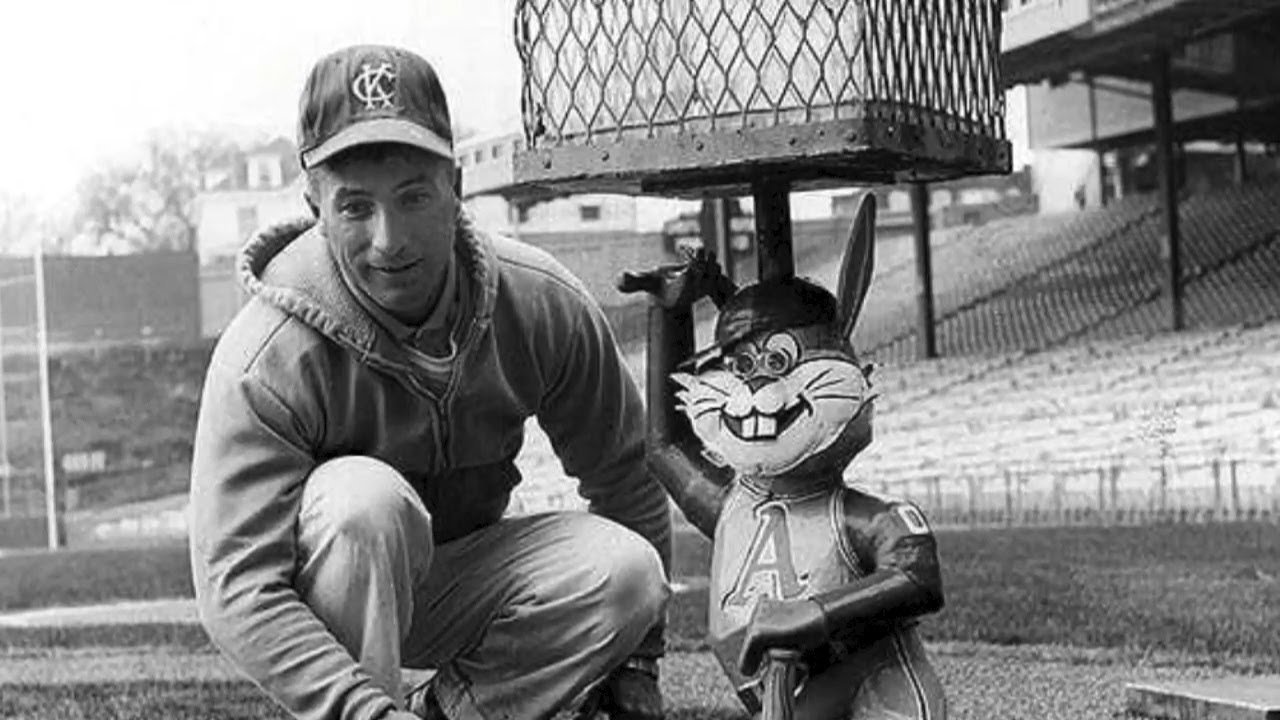
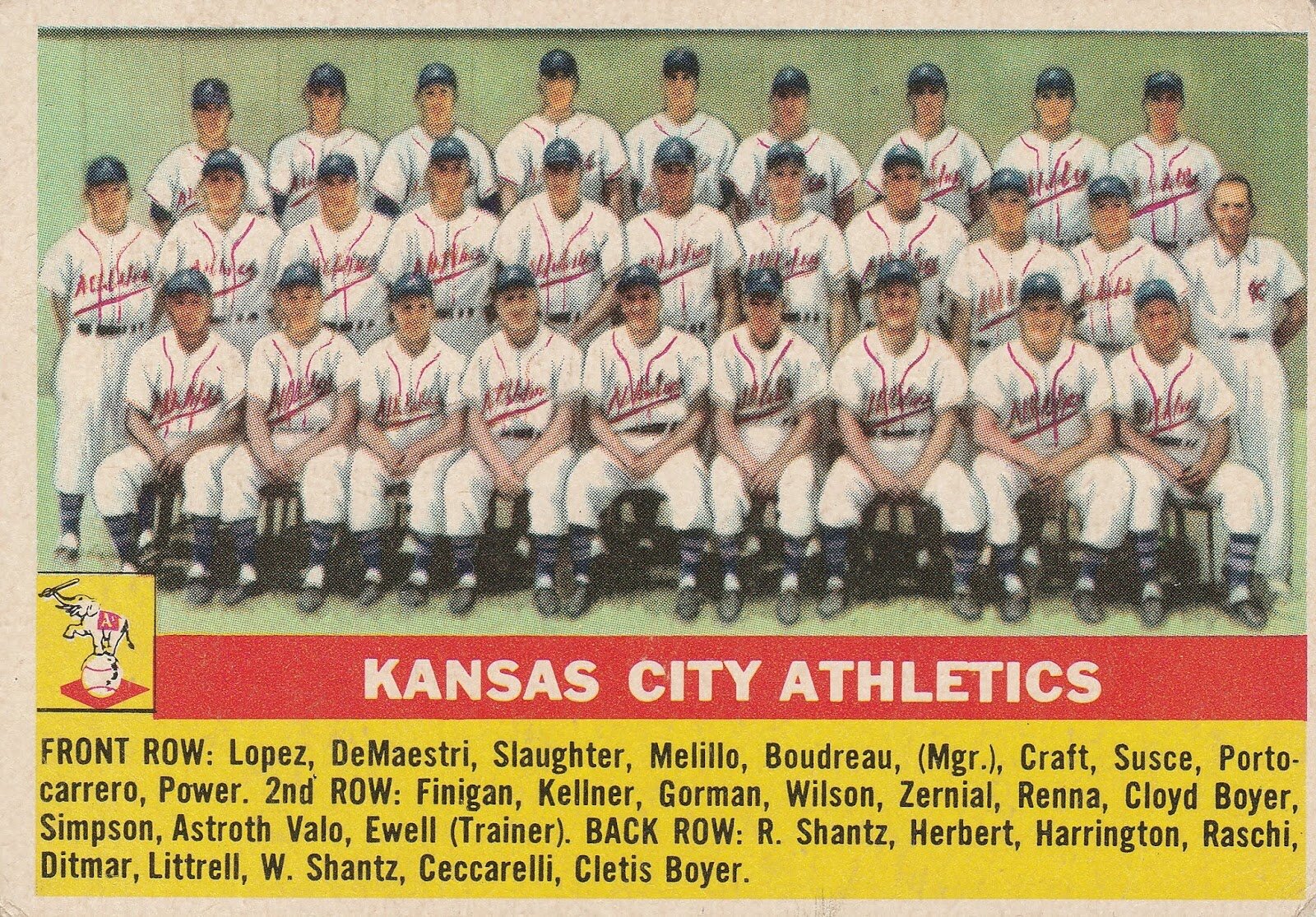
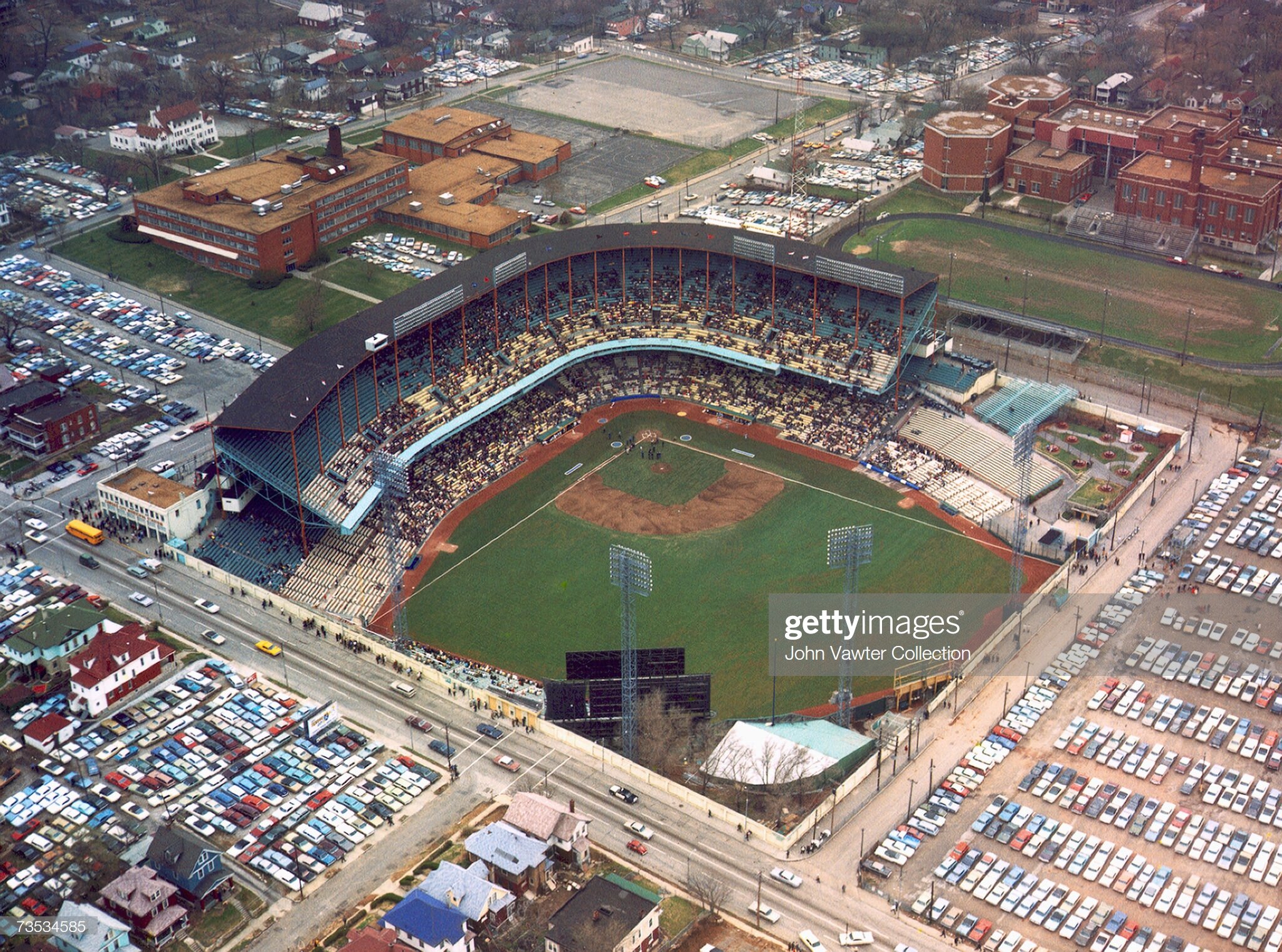
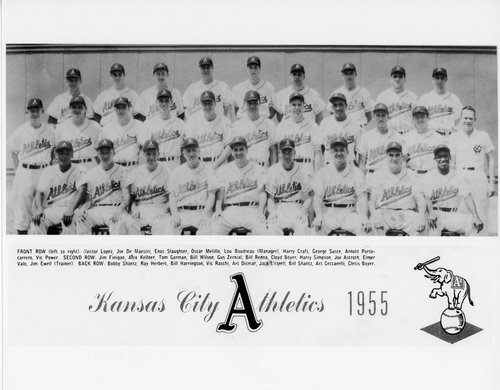
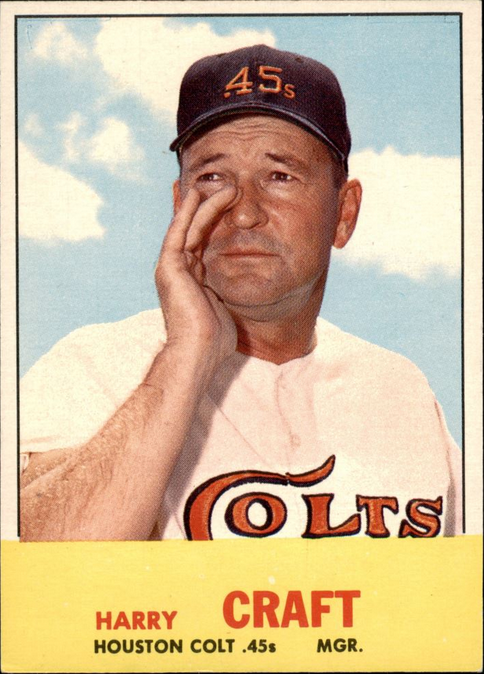
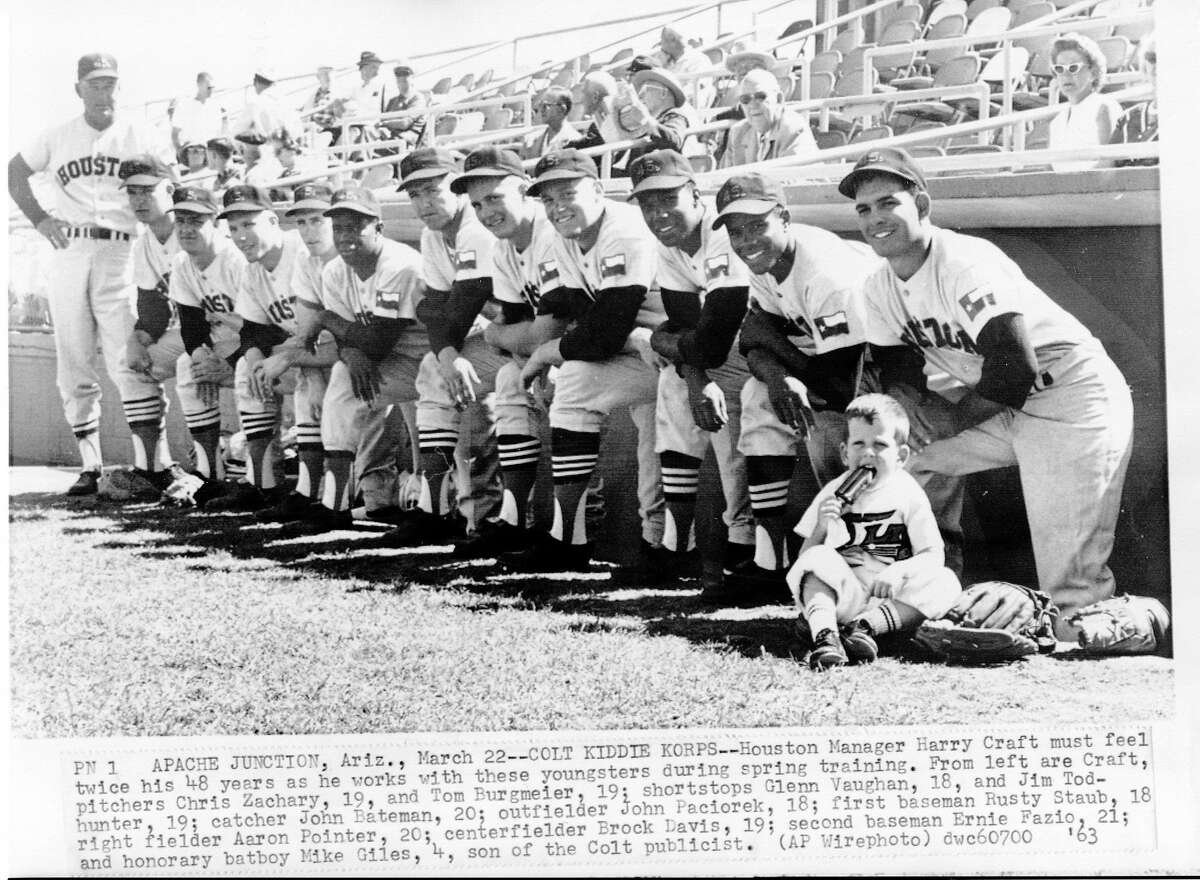
In fact, she discovered that her uncle Harry Craft had not only been a respectable big-league outfielder with the Cincinnati Reds for nearly six seasons (1937-42) before joining the Navy in the war effort - but was now in the midst of a fledgling managerial career that saw him skippering numerous New York Yankees farm clubs, as well as two of the majors' newest: the 1955 Kansas City As (relocated from Philadelphia) and the 1962 expansion Houston Colt .45s.

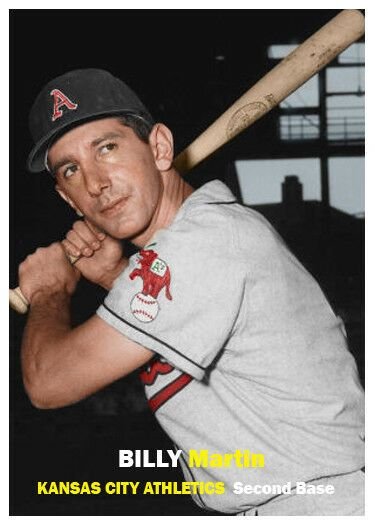
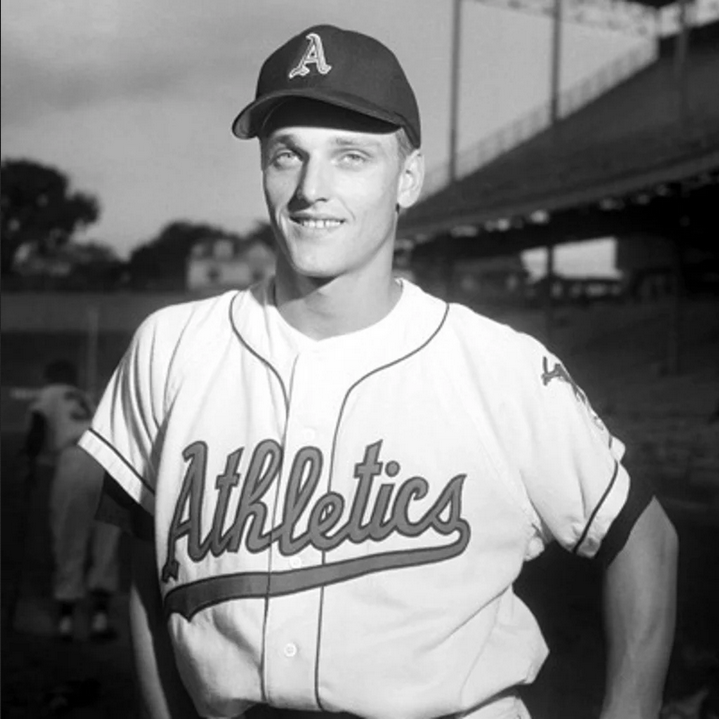
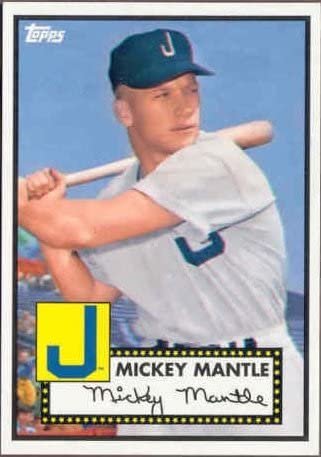
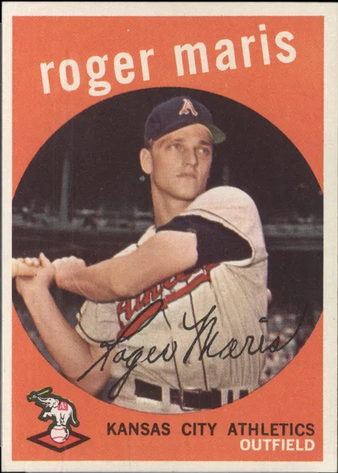
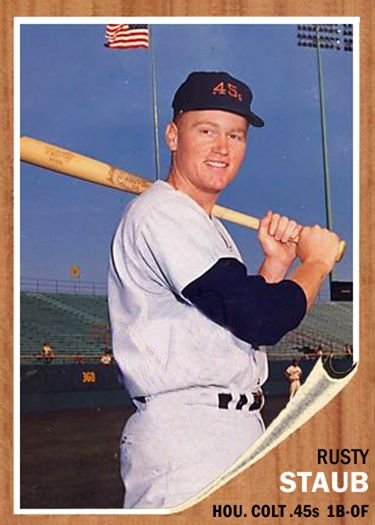
Along the way, Denton recalls innumerable childhood brushes with baseball greatness - Mickey Mantle, Roger Maris, Billy Martin, Rusty Staub - all of whom credited Craft for his valuable tutelage during their careers.  

And unwittingly willed a lifetime of memories and love for the game for a certain Texas farm girl.

108 Stitches: A Girl Grows Up With Baseball - buy book here

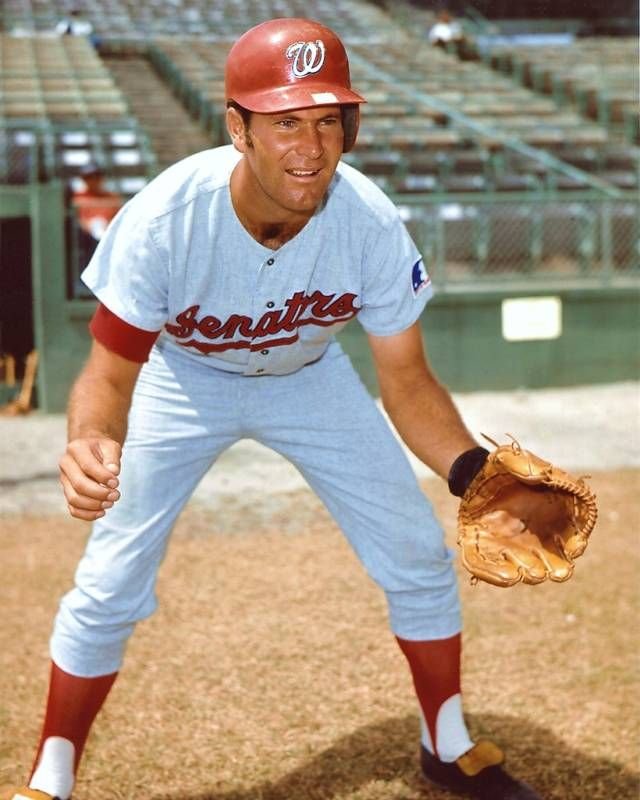
EPISODE 254: American League Baseball Expansion/Relocation History - With Andy McCue

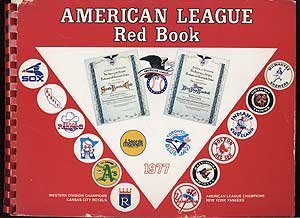
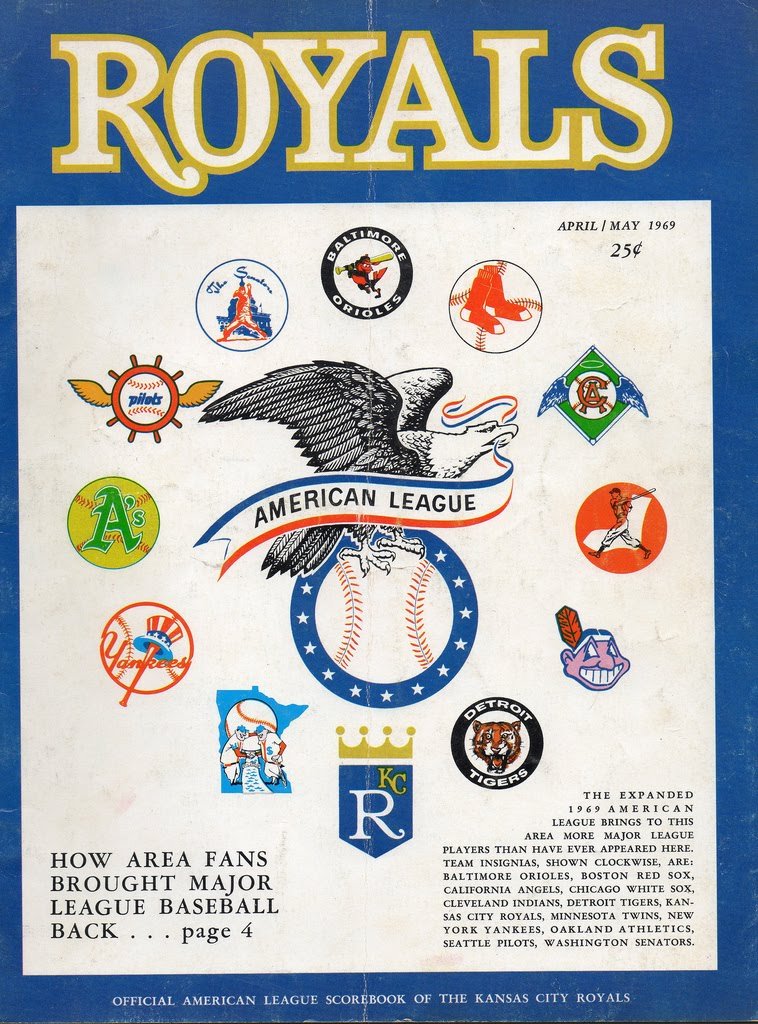
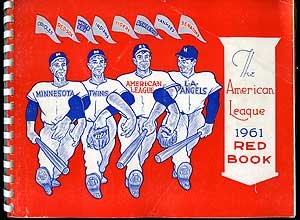
Long-time Society for American Baseball Research (SABR) contributor and "Mover and Shaker: Walter O'Malley, the Dodgers, and Baseball's Westward Expansion" author Andy McCue joins the podcast to discuss his provocative new book "Stumbling Around the Bases" - a persuasive account of the American League's consistently haphazard approach to expansion and franchise relocation during baseball's modern era:


​"​From the late 1950s to the 1980s, baseball’s American League mismanaged integration and expansion, allowing the National League to forge ahead in attendance and prestige. While both leagues had executive structures that presented few barriers to individual team owners acting purely in their own interests, it was the American League that succumbed to infighting—which ultimately led to its disappearance into what we now call Major League Baseball. "Stumbling Around the Bases" is the story of how the American League fell into such a disastrous state, struggling for decades to escape its nadir and, when it finally righted itself, losing its independence.
​"​The American League’s trip to the bottom involved bad decisions by both individual teams and their owners. The key elements were a glacial approach to integration, the choice of underfinanced or disruptive new owners, and a consistent inability to choose the better markets among cities that were available for expansion. The American League wound up with less-attractive teams in the smaller markets compared to the National League—and thus fewer consumers of tickets, parking, beer, hot dogs, scorecards, and replica jerseys.
​"​The errors of the American League owners were rooted in missed cultural and demographic shifts and exacerbated by reactive decisions that hurt as much as helped their interests. Though the owners were men who were notably successful in their non-baseball business ventures, success in insurance, pizza, food processing, and real estate development, didn’t necessarily translate into running a flourishing baseball league. In the end the National League was simply better at recognizing its collective interests, screening its owners, and recognizing the markets that had long-term potential.​"​


Stumbling around the Bases: The American League’s Mismanagement in the Expansion Eras - buy book here

Mover and Shaker: Walter O'Malley, the Dodgers, and Baseball's Westward Expansion - buy book here

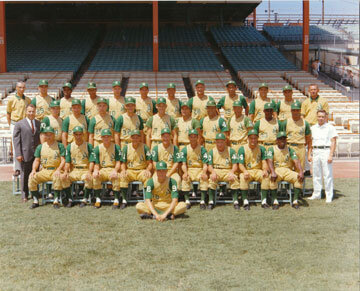
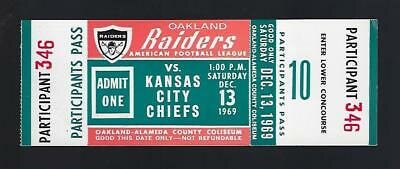
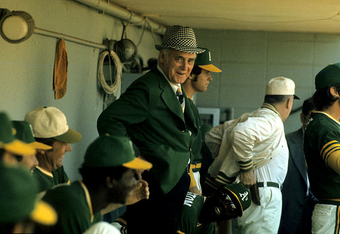
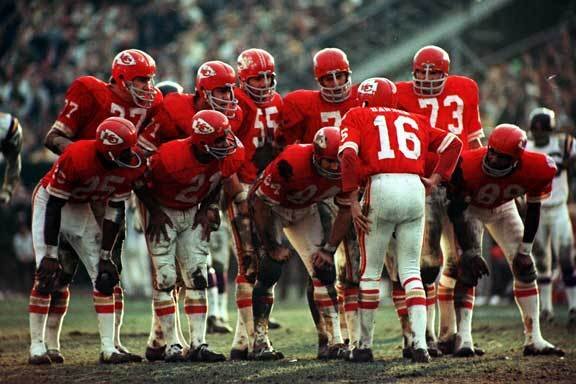
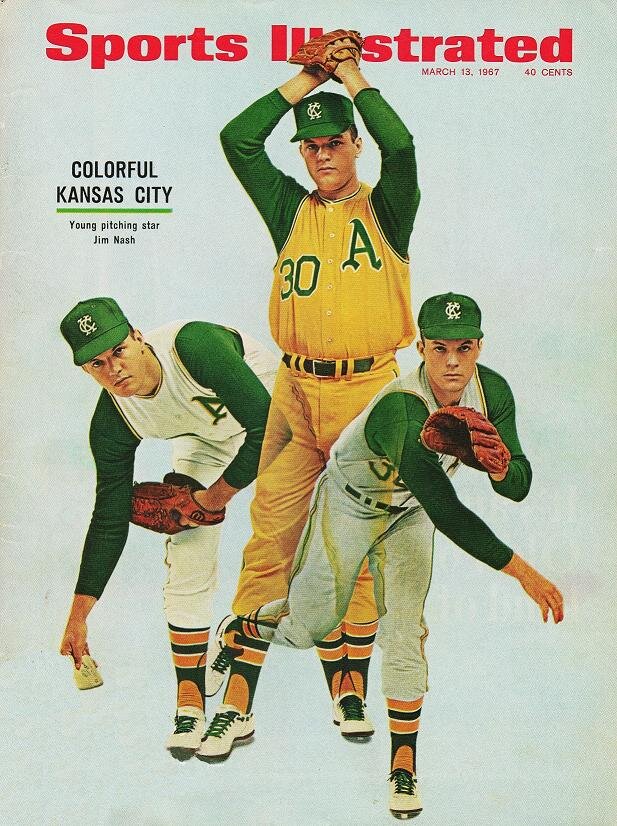
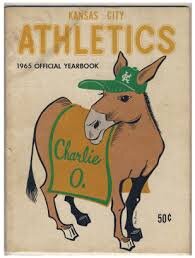
EPISODE 136: Kansas City vs. Oakland – With Matt Ehrlich

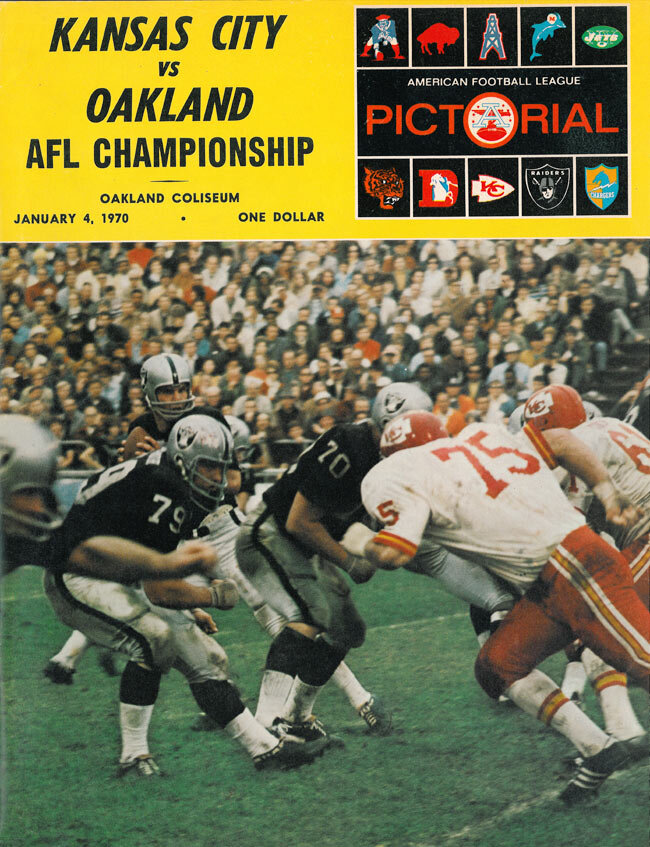
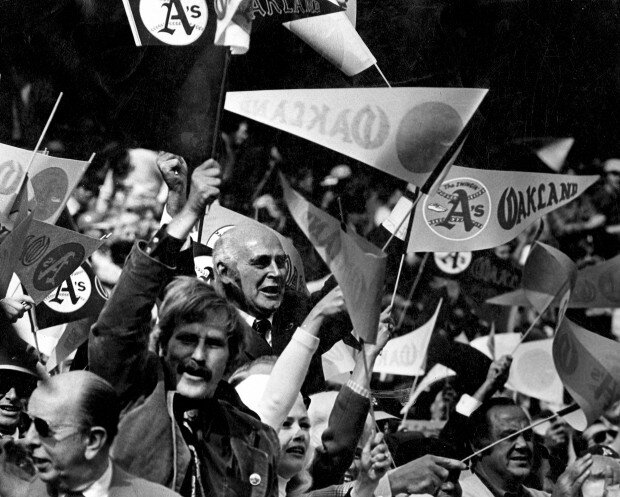
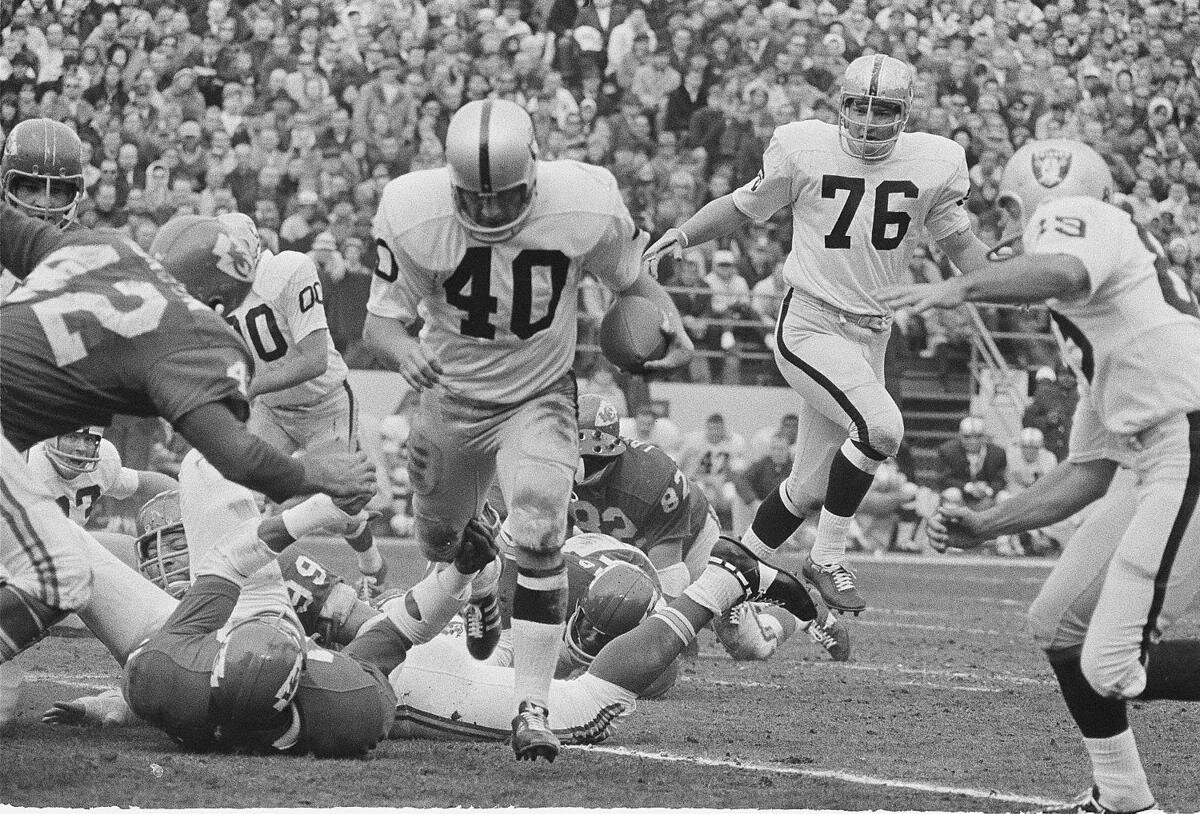
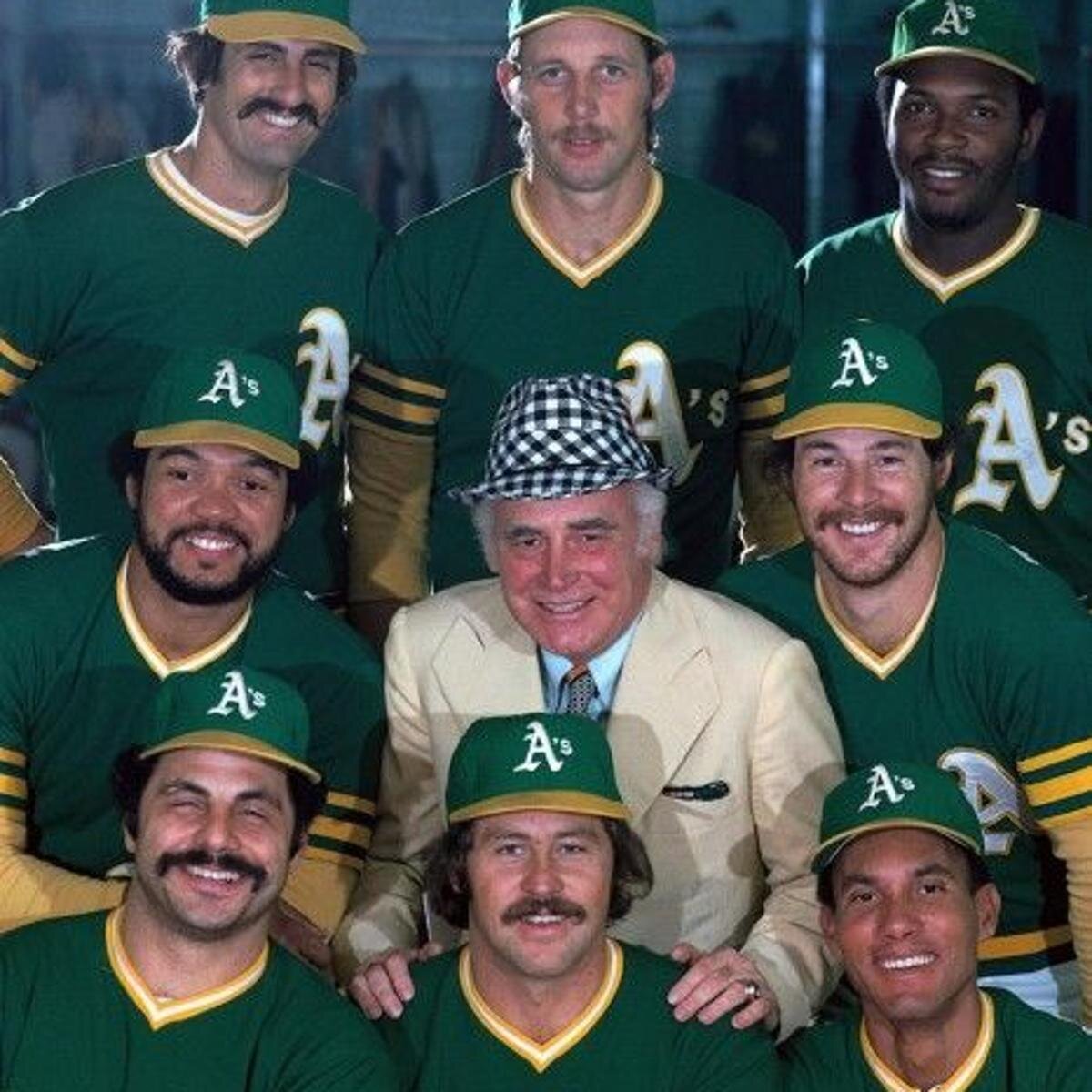
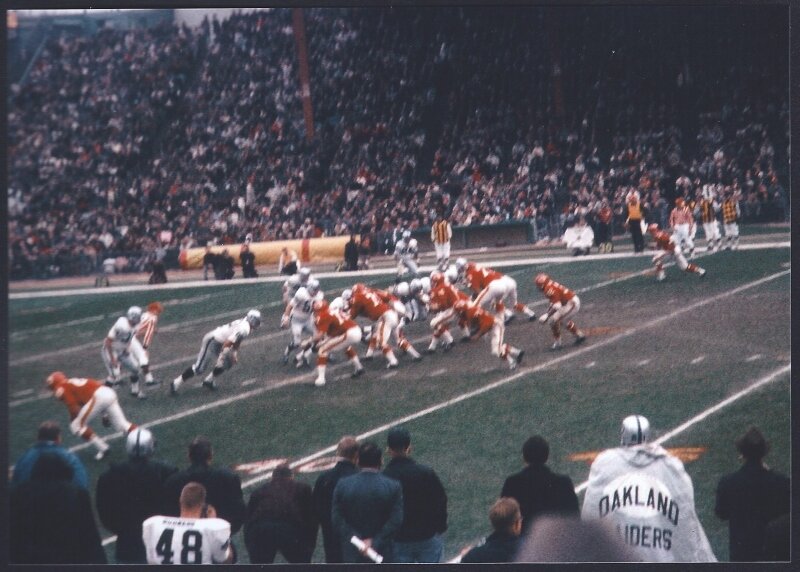
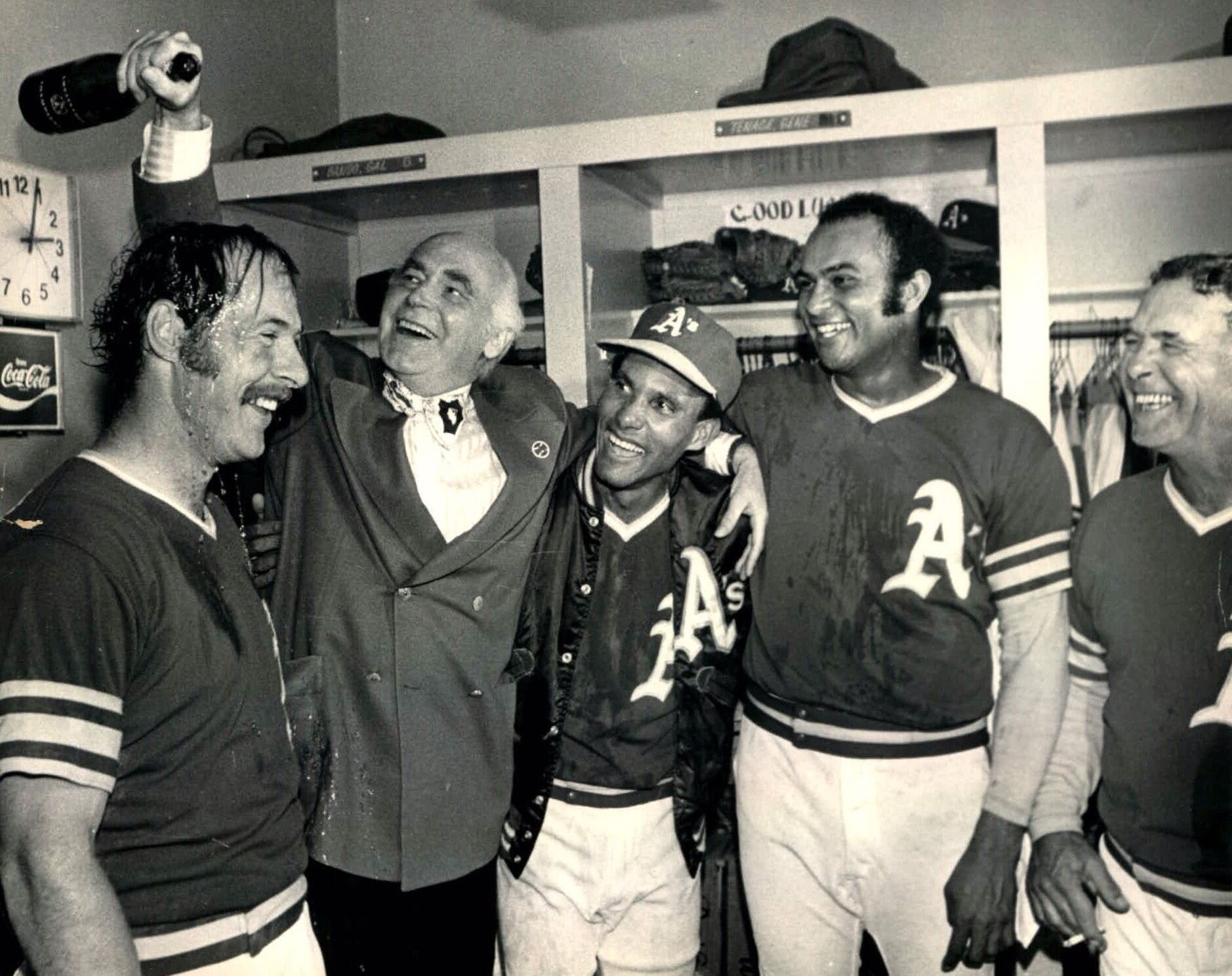
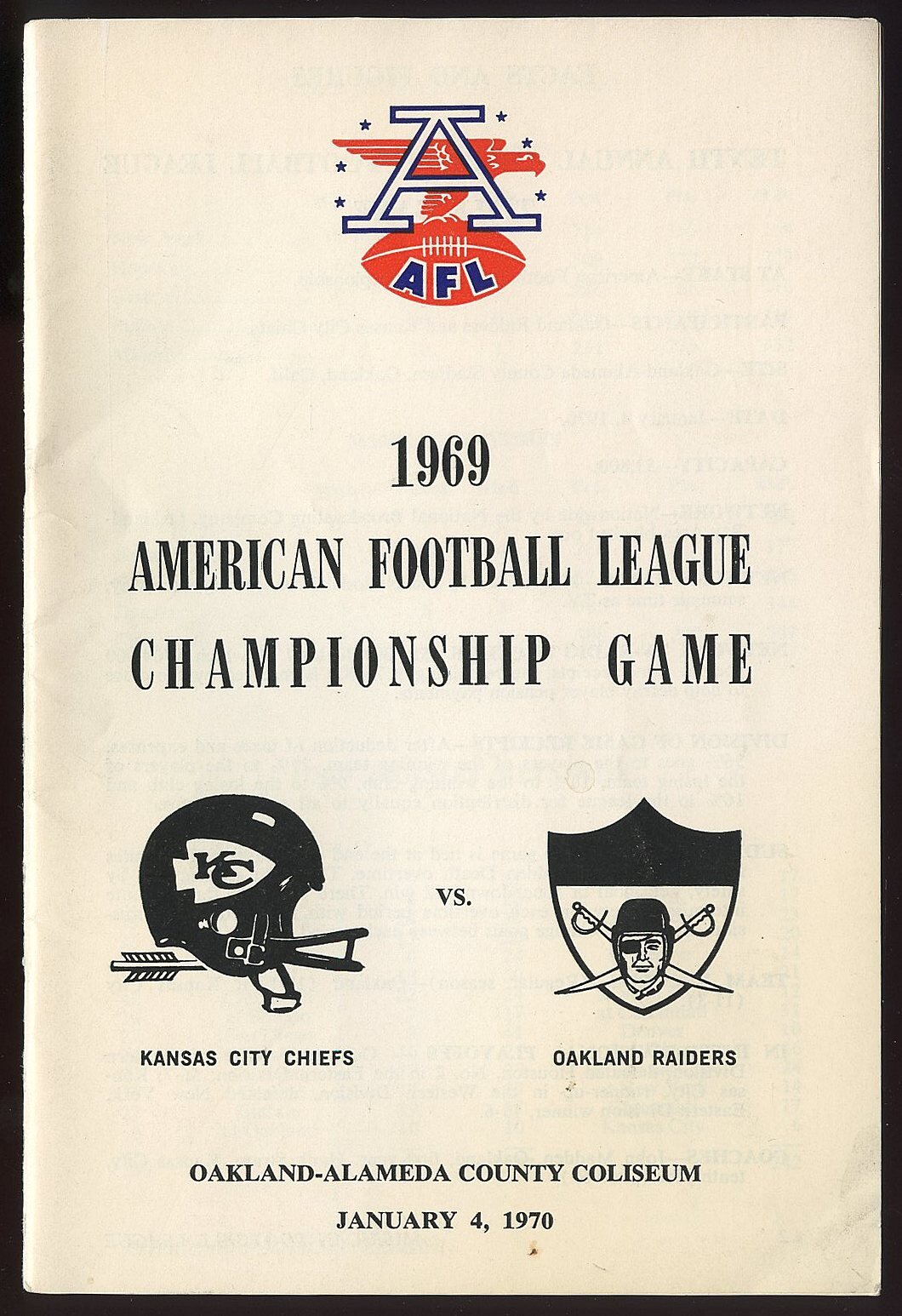
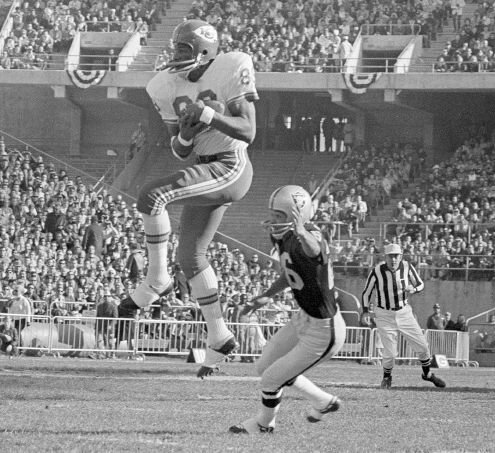
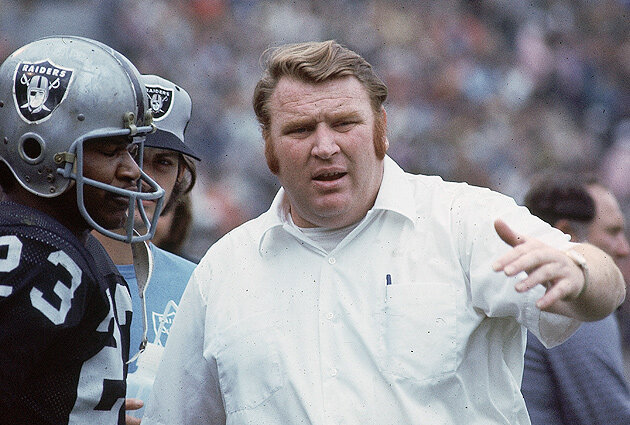
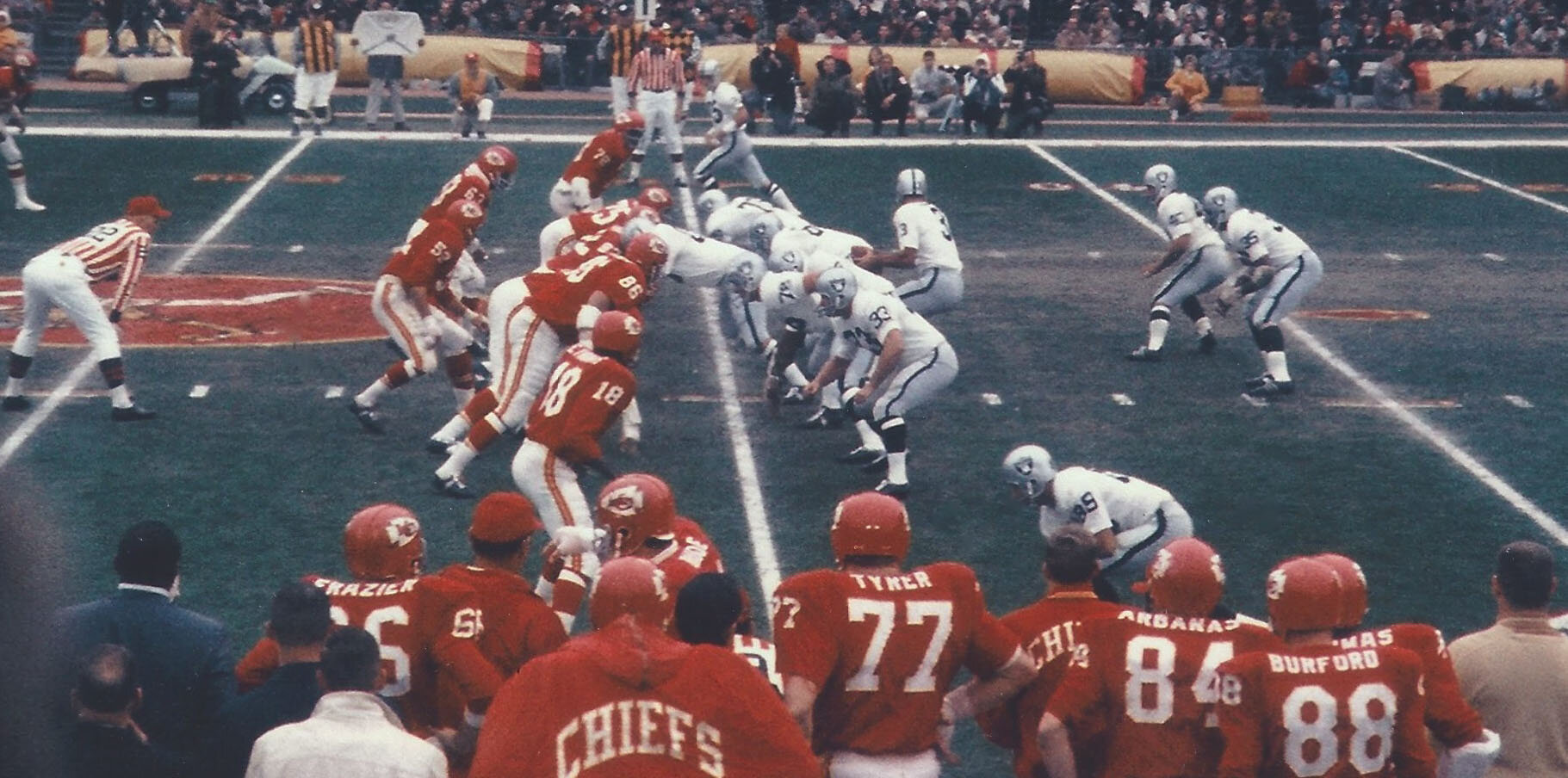
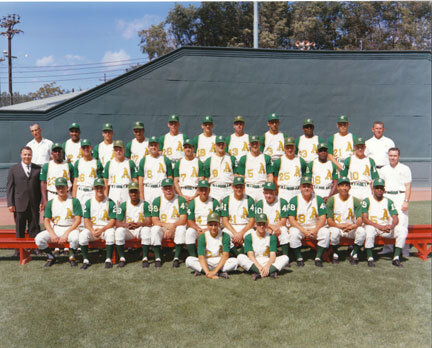
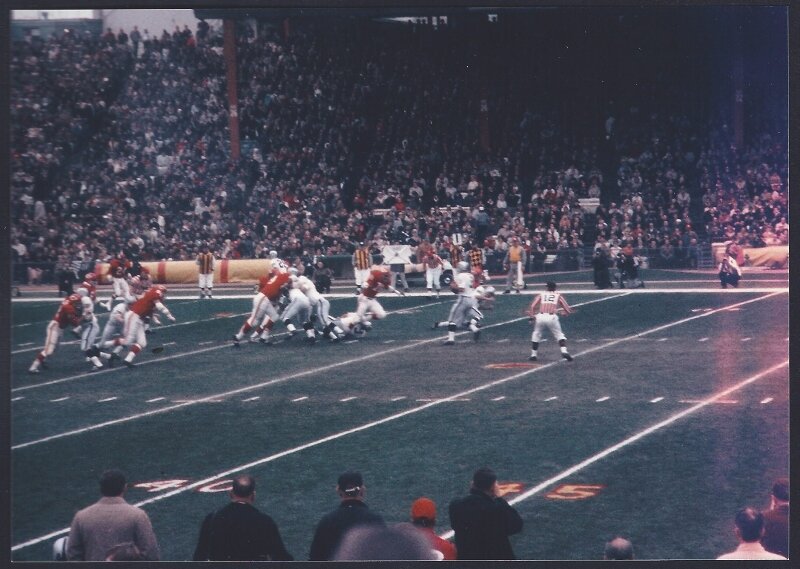
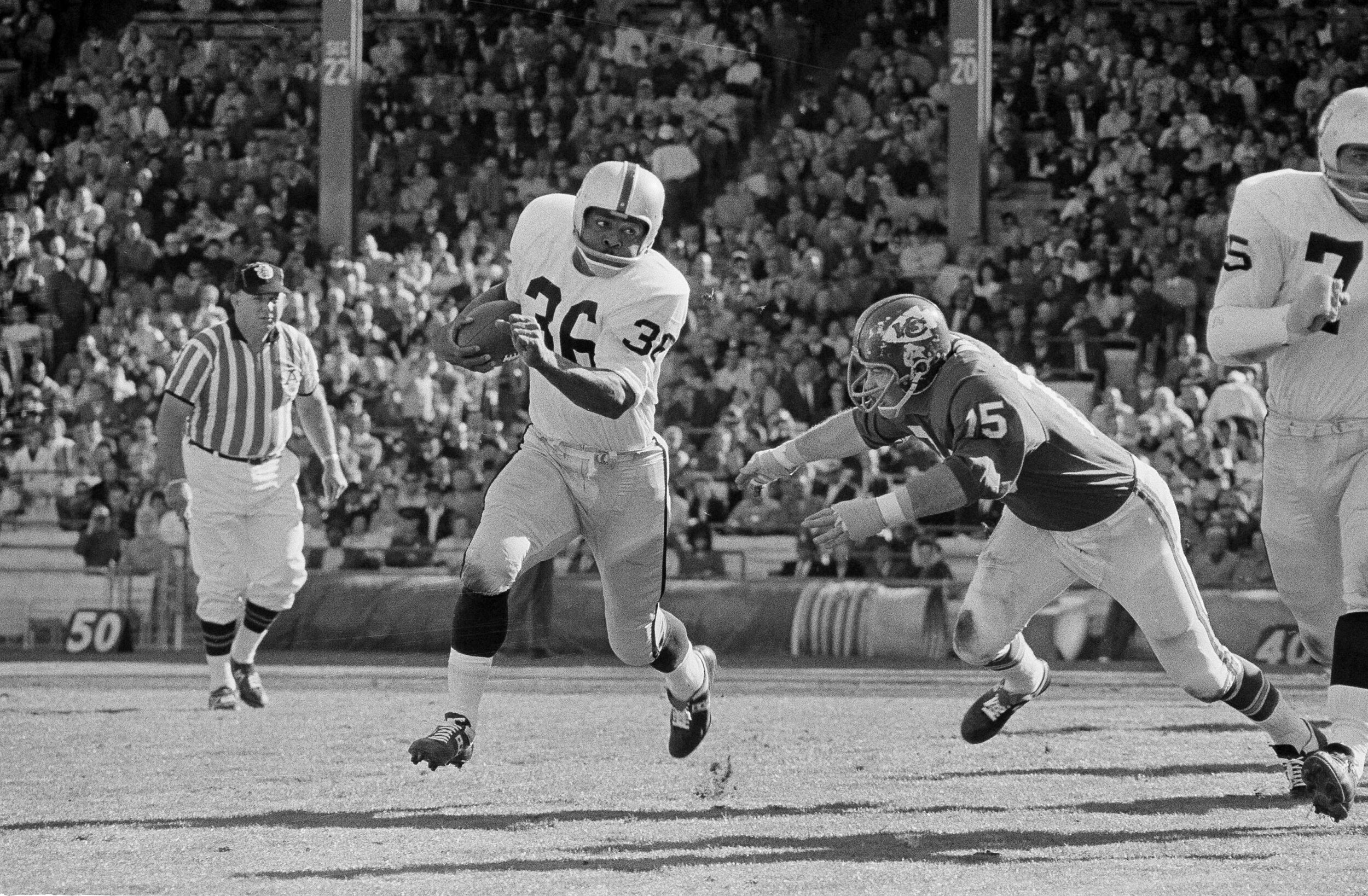
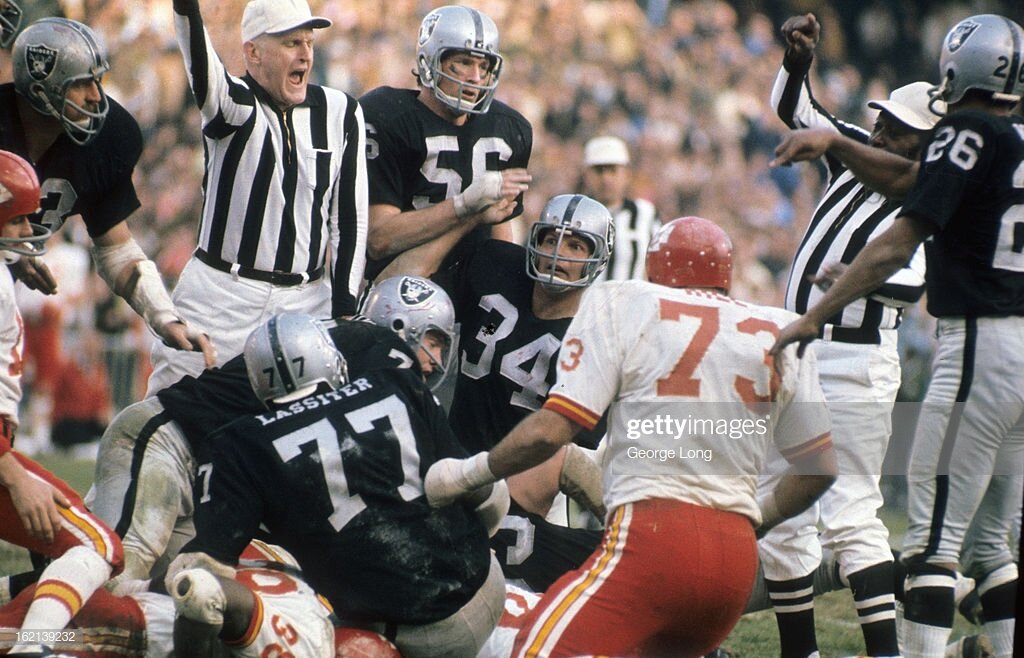
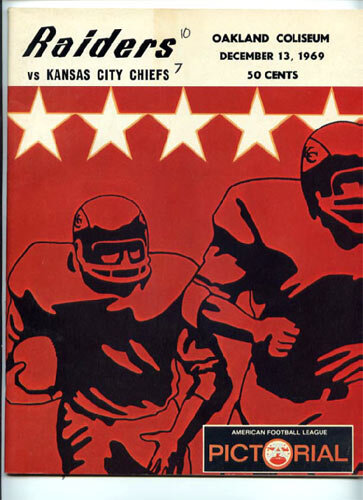
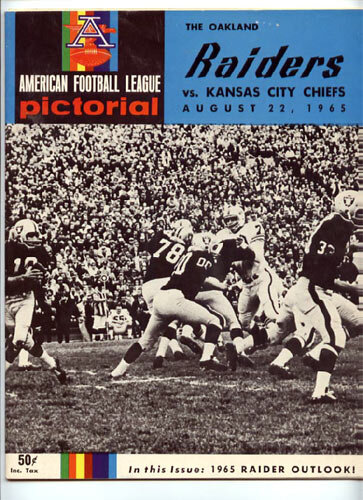
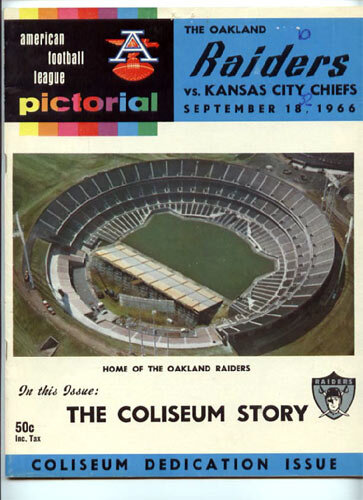
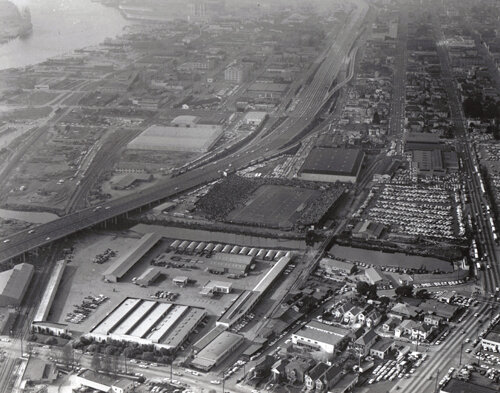
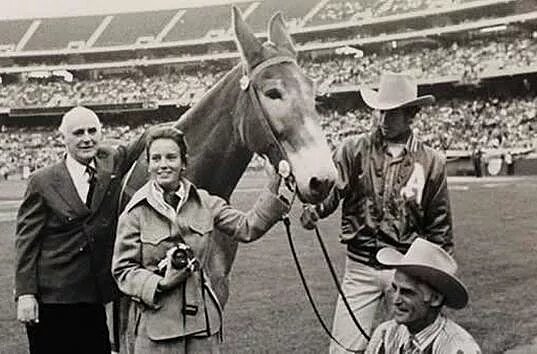
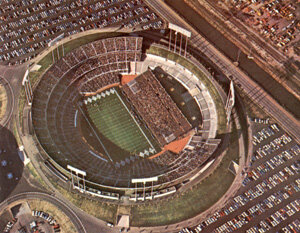
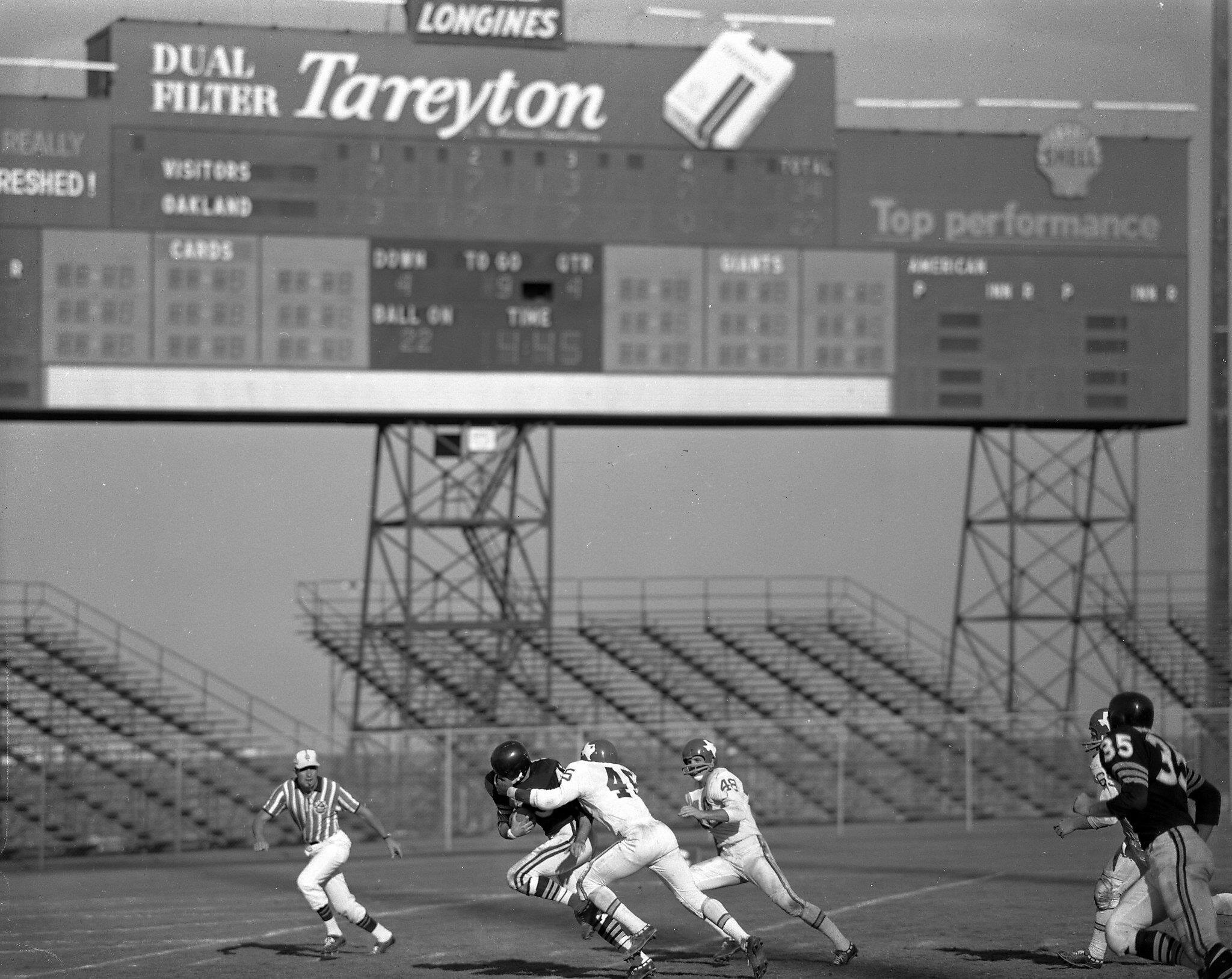
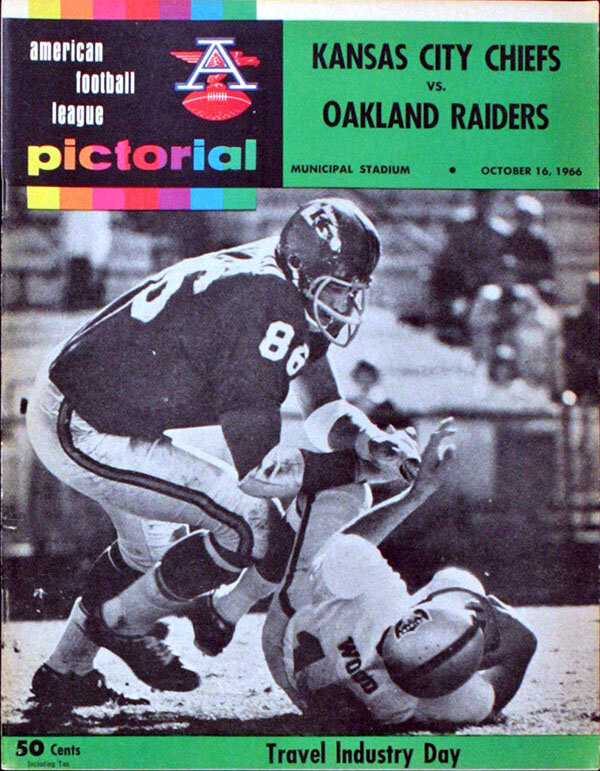
We amp up the intellectual quotient this week with University of Illinois journalism professor emeritus Matt Ehrlich (Kansas City vs. Oakland: The Bitter Sports Rivalry That Defined an Era), who joins for a heady discussion around the most unlikely, yet intertwined of pro sports rivalries – and the turbulent 1960s from which it originated.

Although Oakland, CA and Kansas City, MO are geographically distant and significantly different in numerous ways, their histories actually have more in common than meets the eye, Ehrlich argues, as both cities during the Sixties:

  • Shared big-city inferiority complexes (blue-collar Oakland constantly overshadowed by the richer, more culturally diverse San Francisco across the Bay; bucolic Kansas City perceived as the quintessentially Midwestern “cow town”);

  • Experienced contentious race and labor relations;

  • Countered “white flight” suburbanization with ambitious urban renewal efforts; and, notably:

  • Featured civic-championing newspaper sports editors and government officials eager to attract top-level pro franchises in a quest for “major league” status.

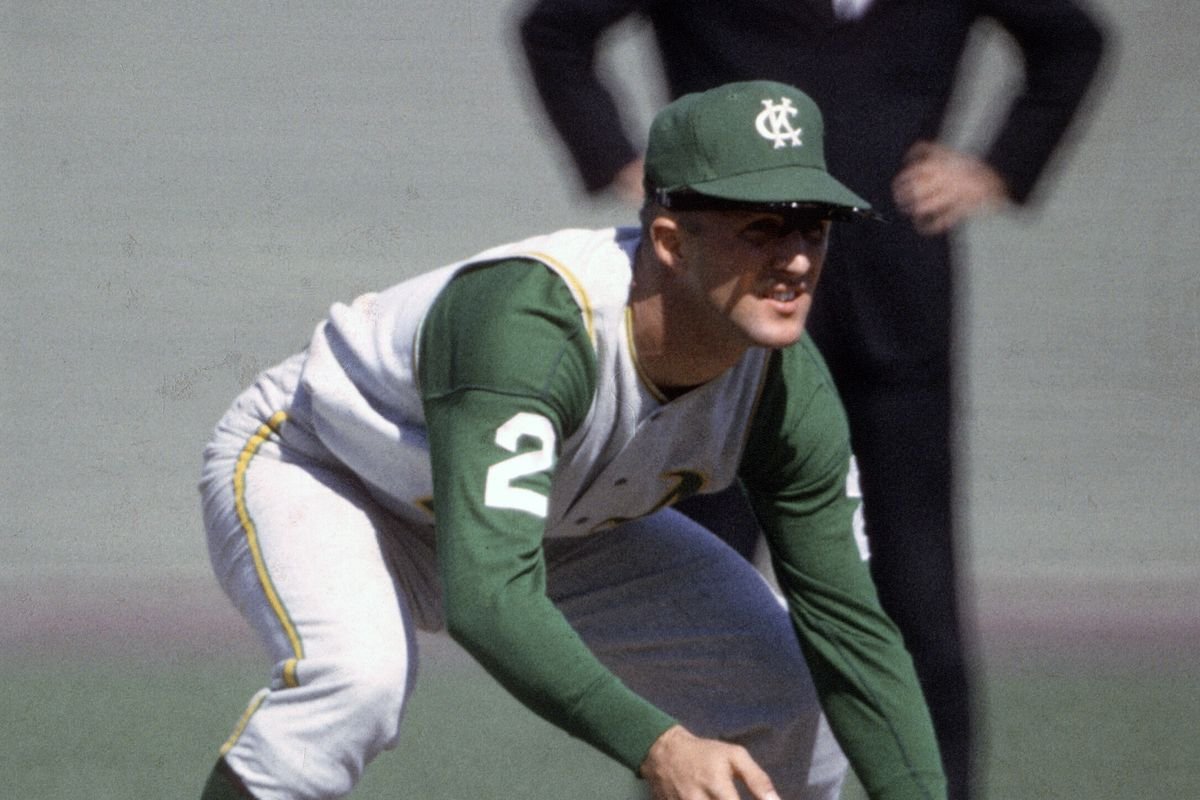
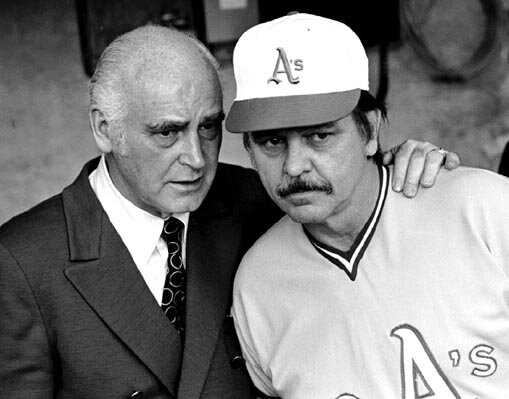
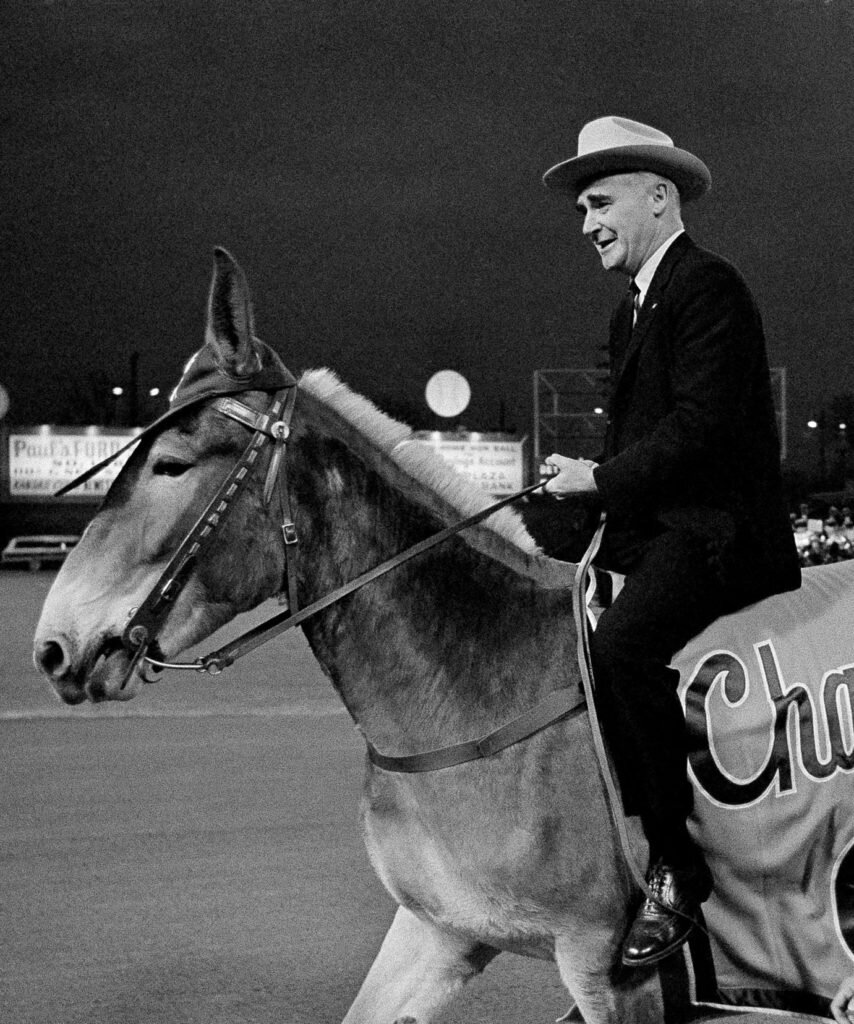
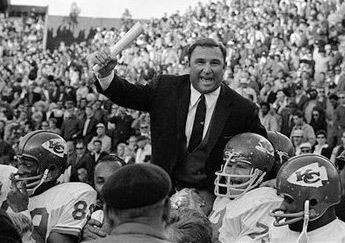
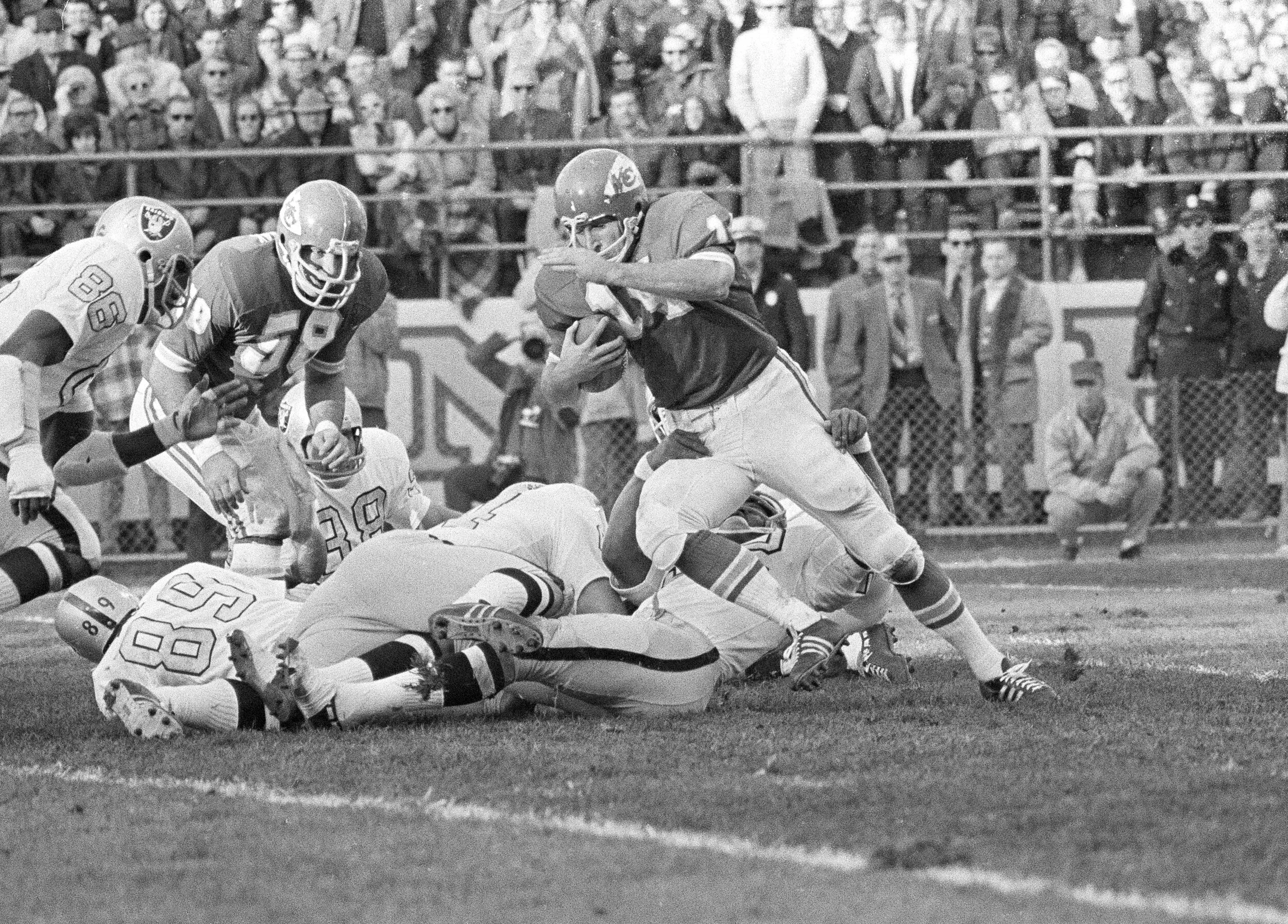
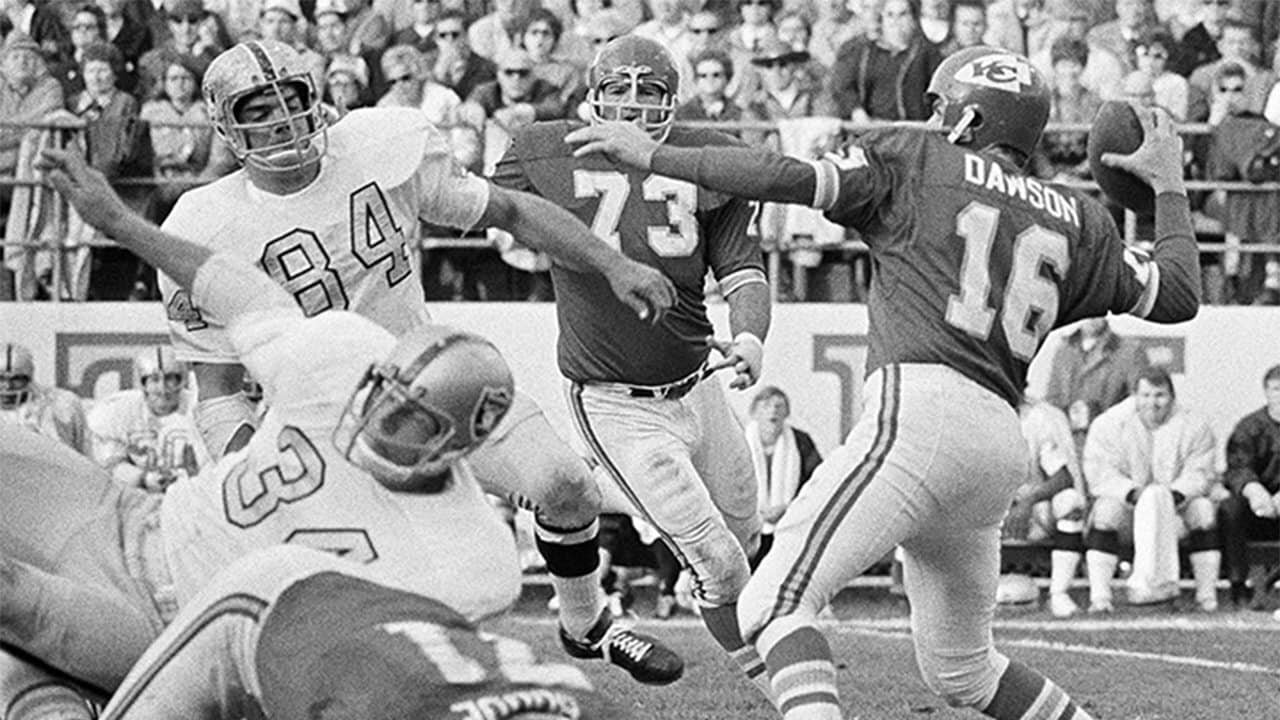
Ehrlich suggests that each city’s driving ambitions to secure professional sports teams – and the national attention and civic pride that came with them – helped mutually ignite fierce rivalries (AFL/NFL football’s Chiefs and Raiders; baseball’s first-Kansas City-then-Oakland As) that thrilled local fans.  But even with Super Bowl victories and World Series triumphs, major league sports proved little defense against the broader urban challenges roiling the country during the tumultuous 60s & 70s.

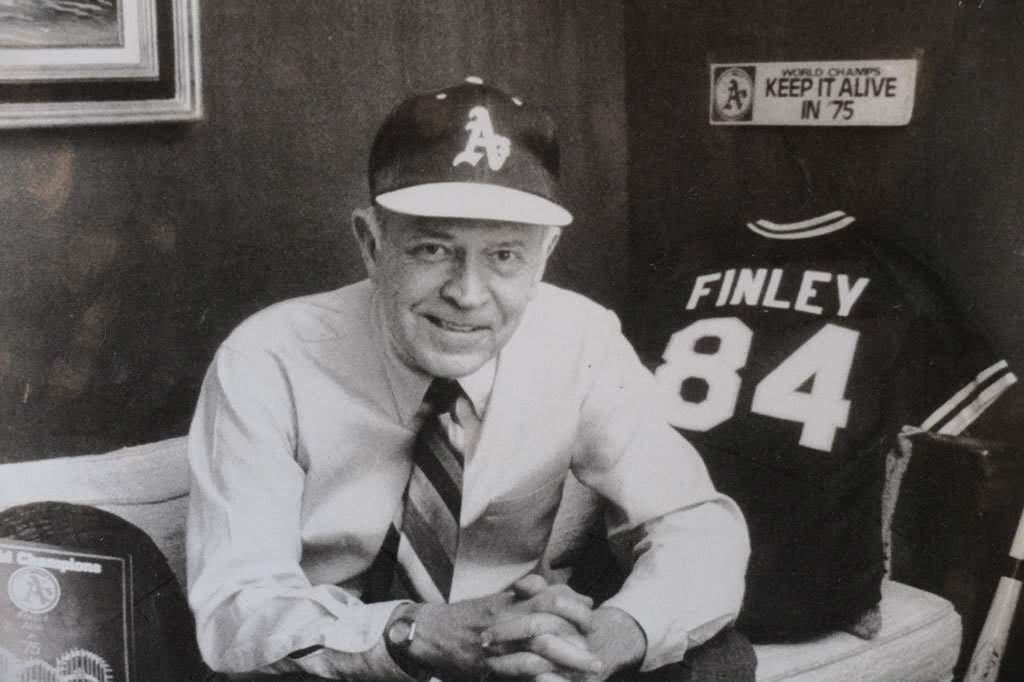
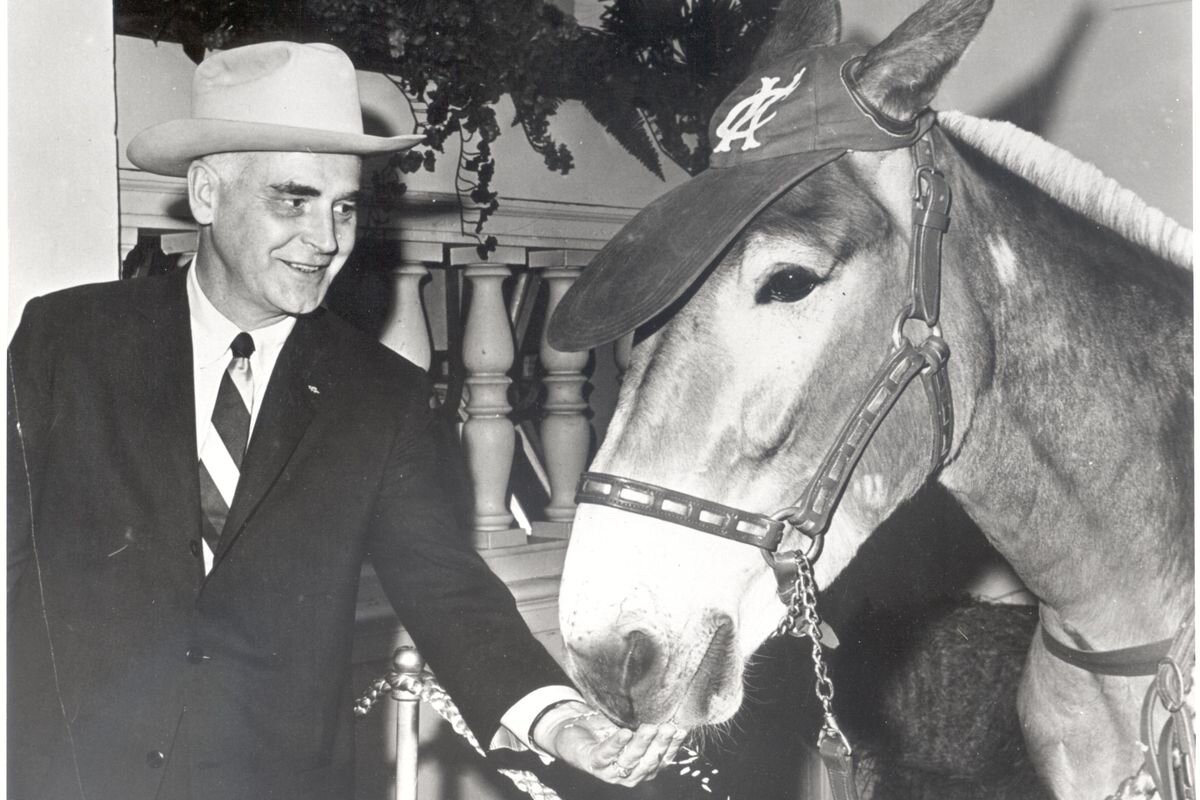
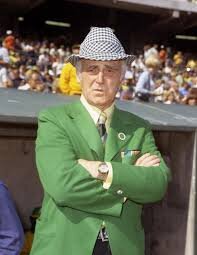
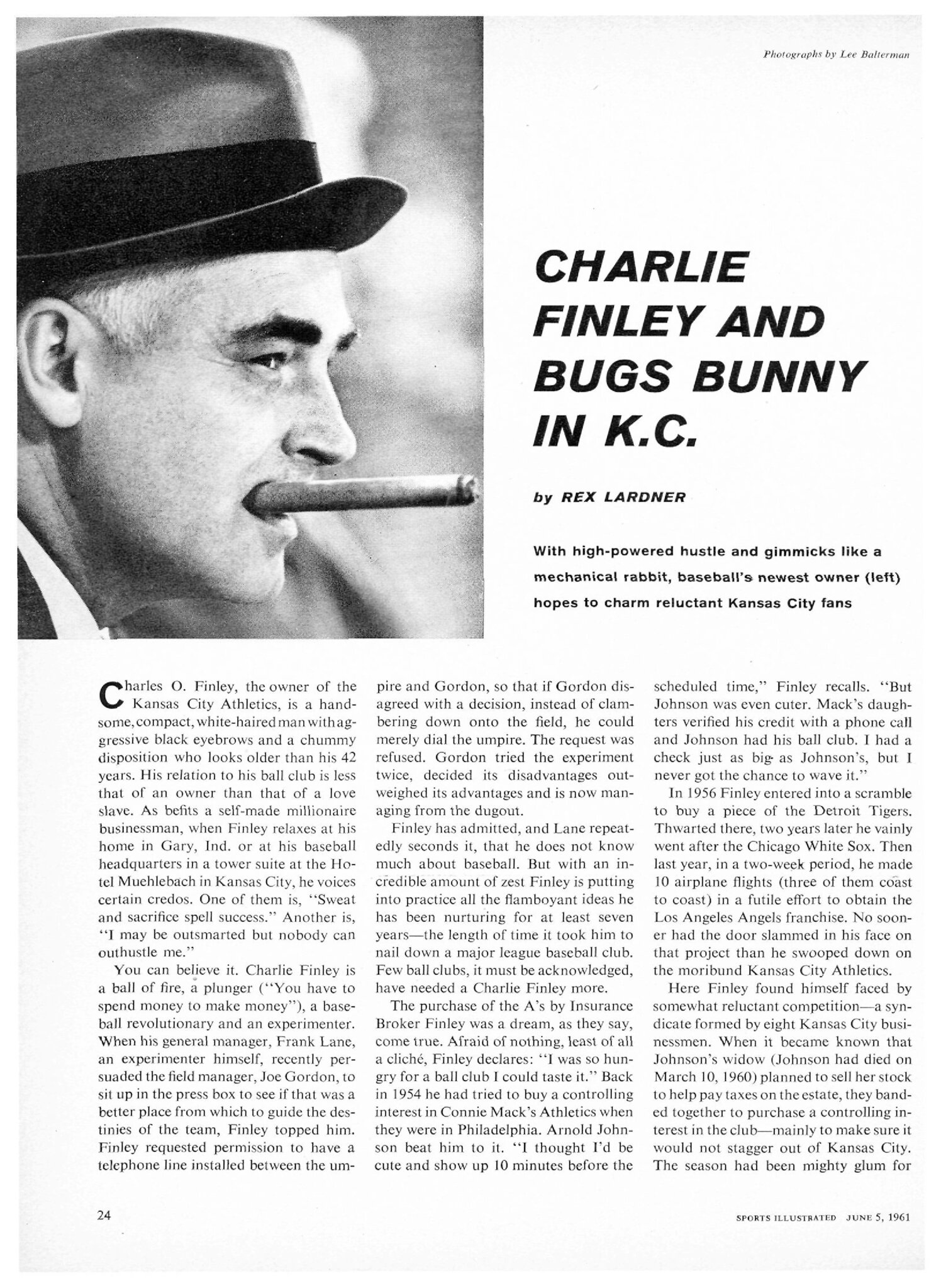
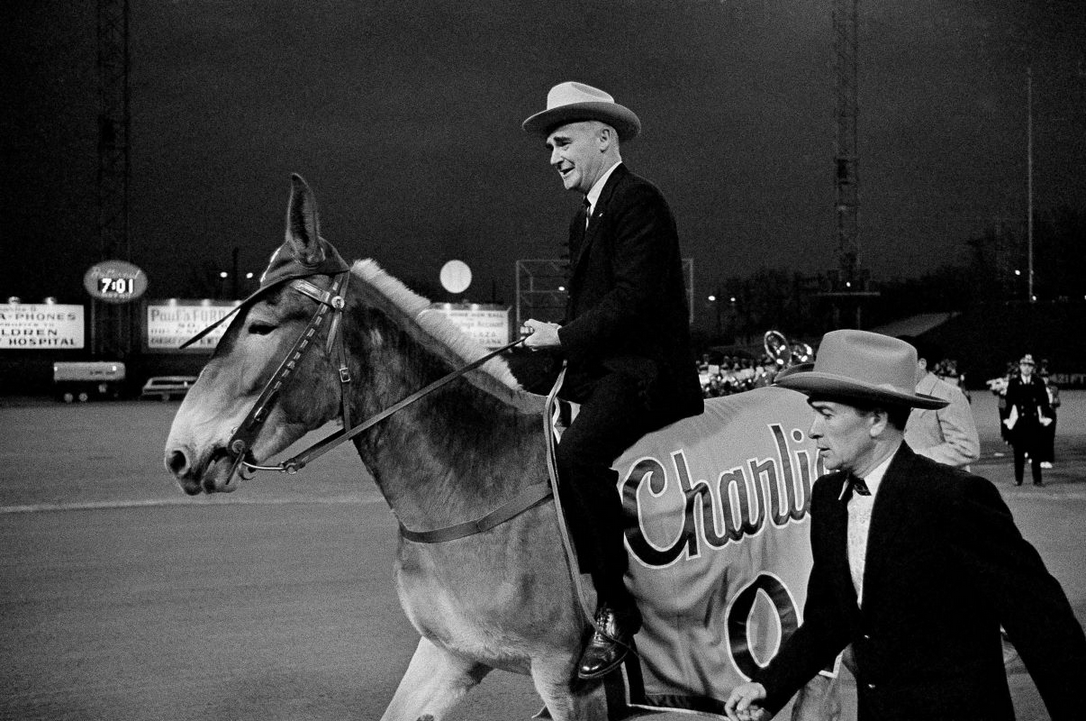
Ehrlich’s thesis features a cast of legendary sports characters like Len Dawson, Al Davis, Lamar Hunt, George Brett, Charlie Finley, and Reggie Jackson – and is a chronicle of two emergent major league cities forced to balance soaring civic aspirations with the harsh urban realities of racial turmoil, labor conflict, and economic crises.

Kansas City vs. Oakland: The Bitter Sports Rivalry That Defined an Era - buy here