EPISODE 424: Baseball's Most Outrageous Promotions - With Joseph Natalicchio

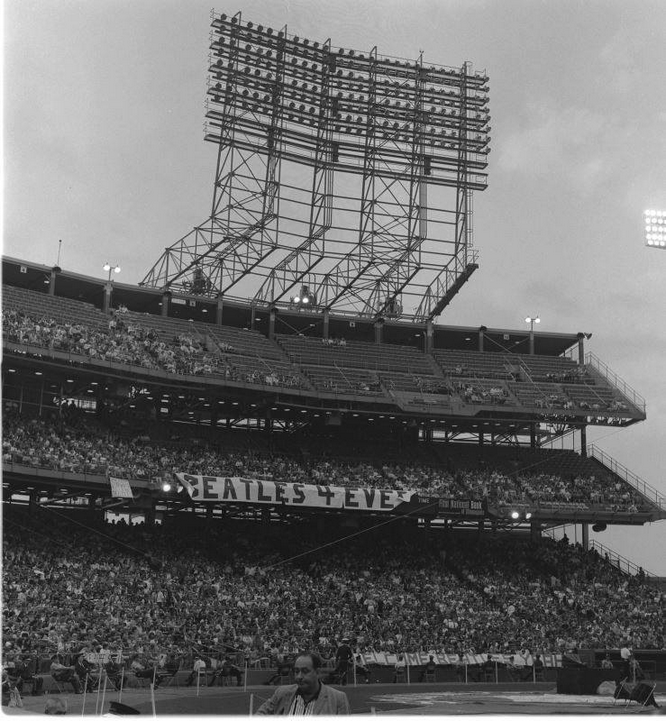
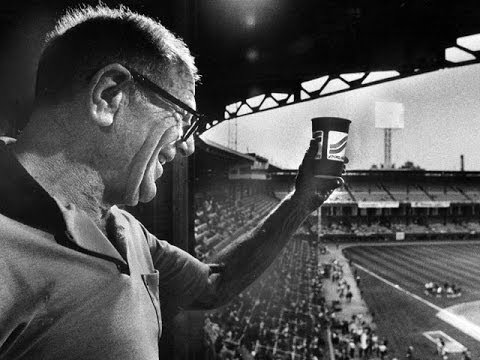
Baseball has long been America’s pastime — and the stage for some of the wildest, most outrageous marketing stunts in sports history. From the postwar era through the 1970s, team owners and promoters pushed the limits of spectacle to fill seats, generate buzz, and entertain fans, often blurring the line between creativity and chaos.

This week, "Baseball’s Most Outrageous Promotions" author Joe Natalicchio joins for a wild ride across some of the sport’s most infamous attempts to spice things up at the ol' ballpark - where good marketing intentions went mightily awry.

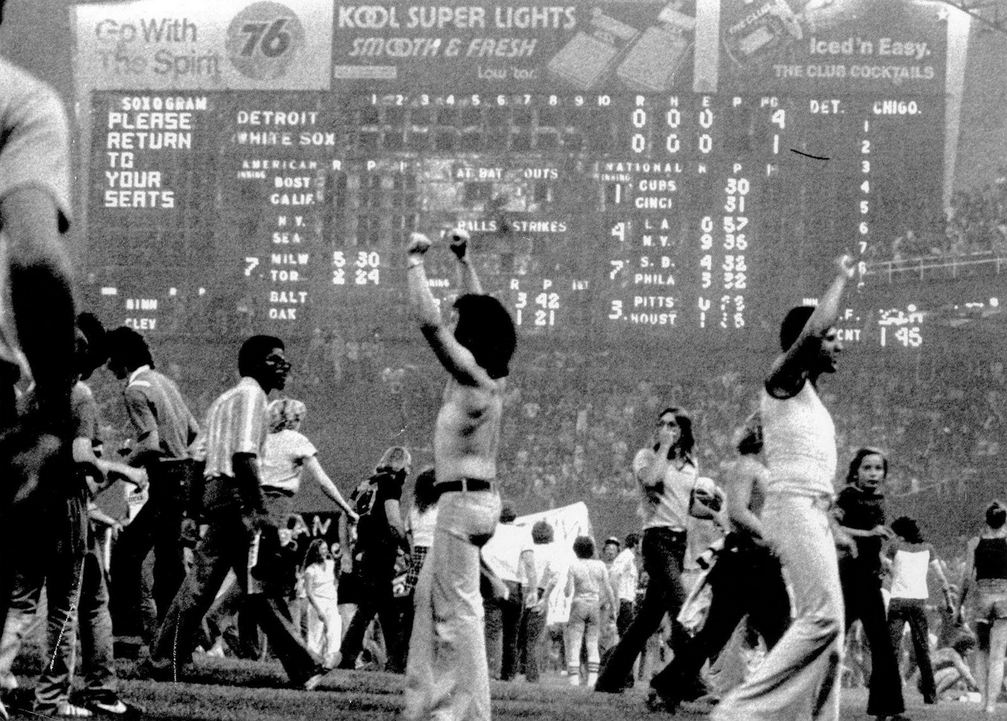
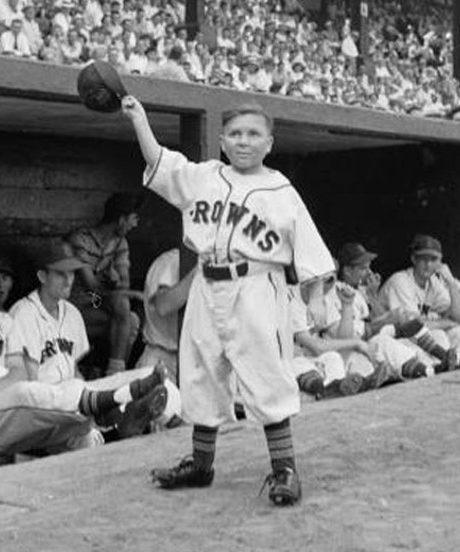
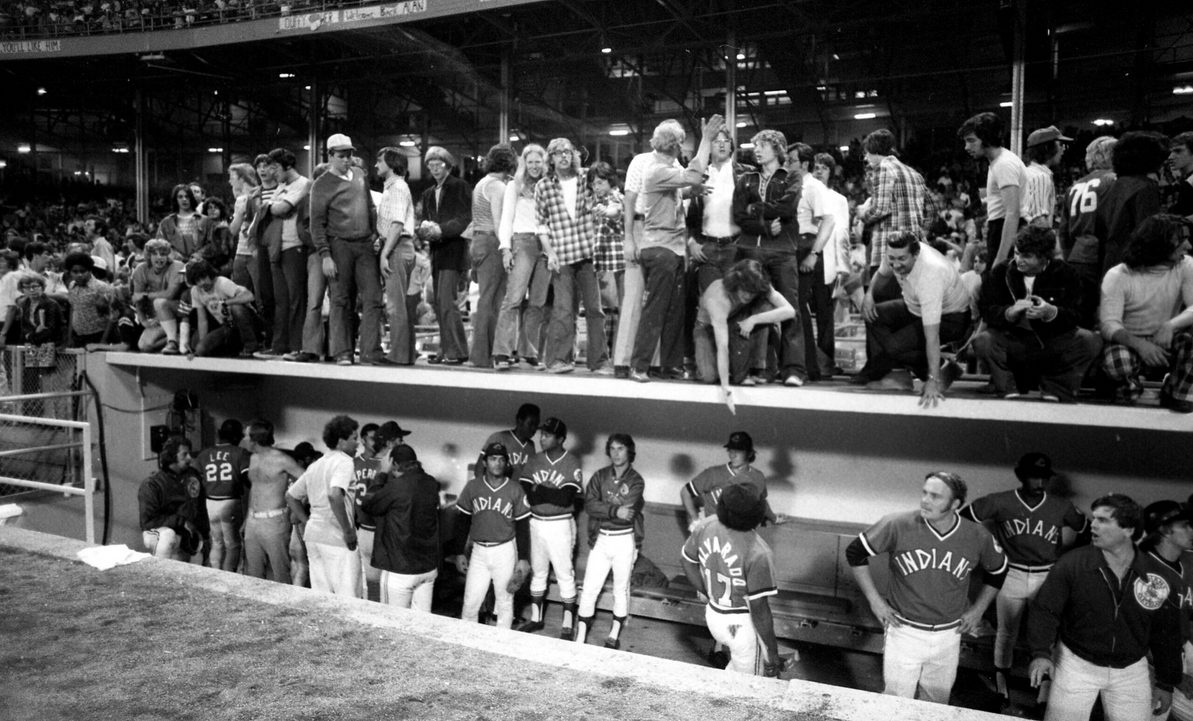
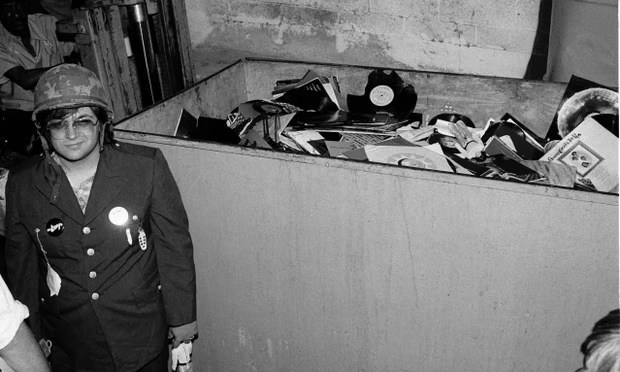
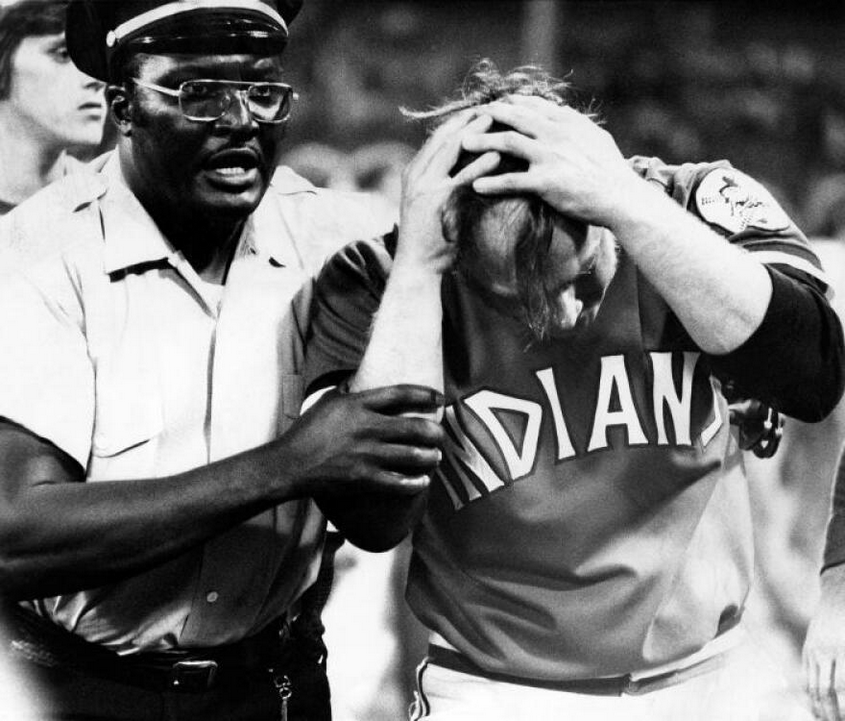
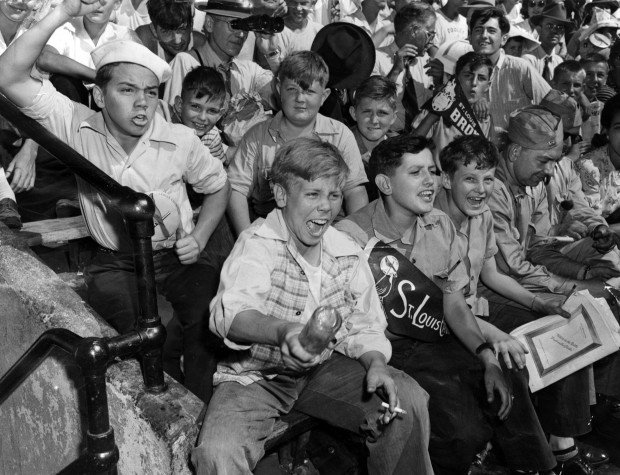
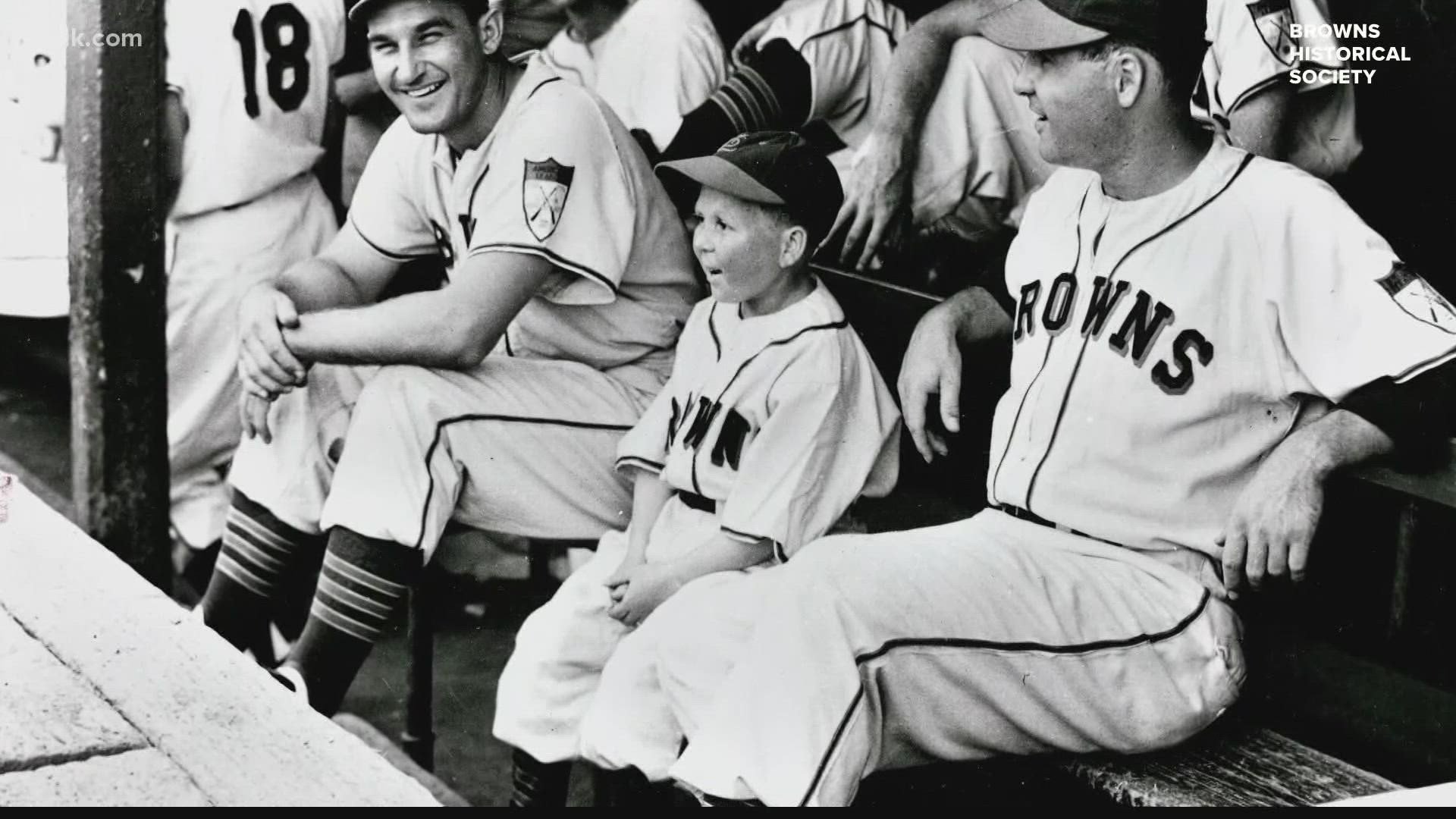
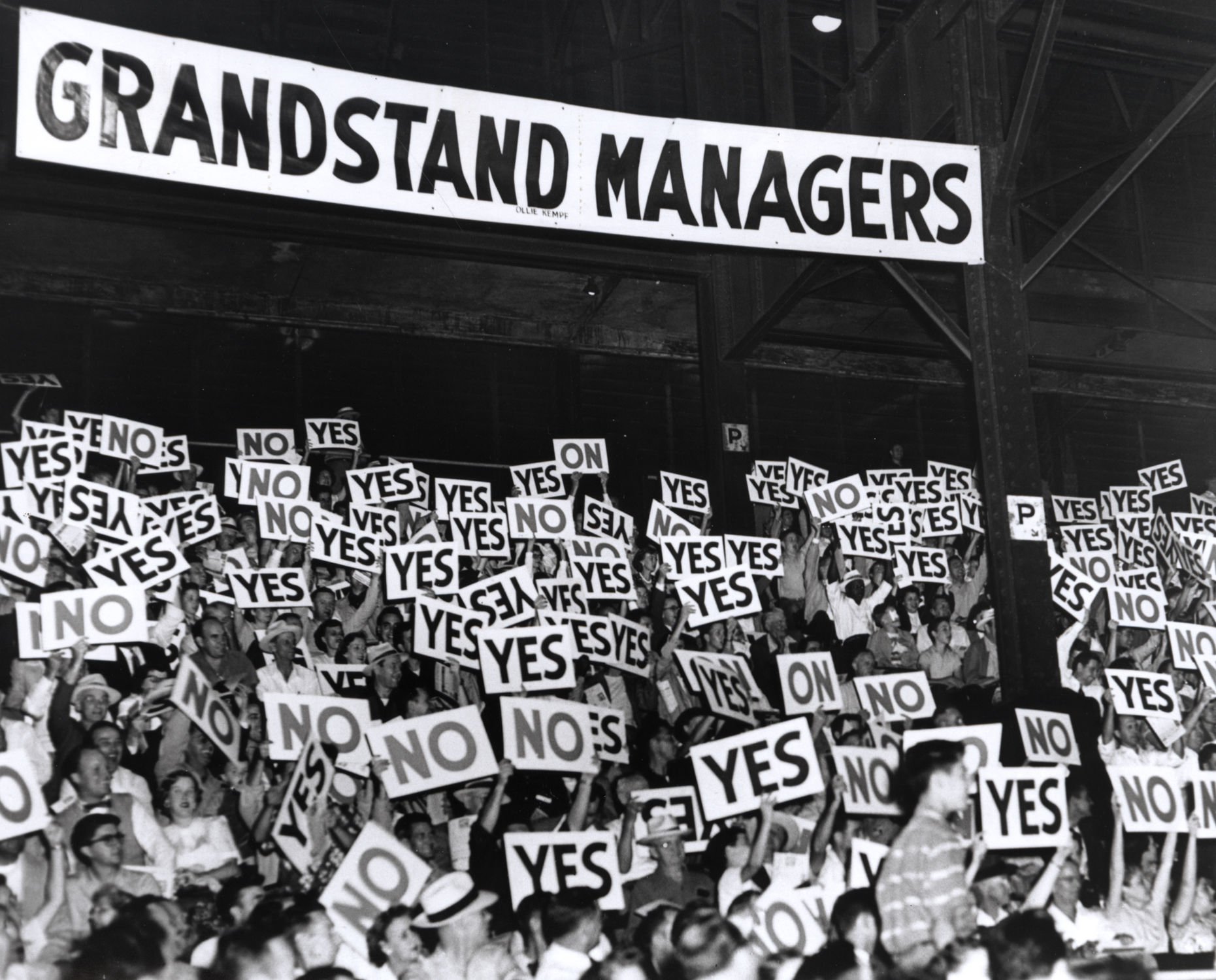
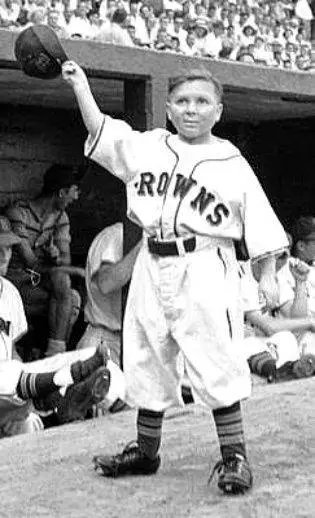
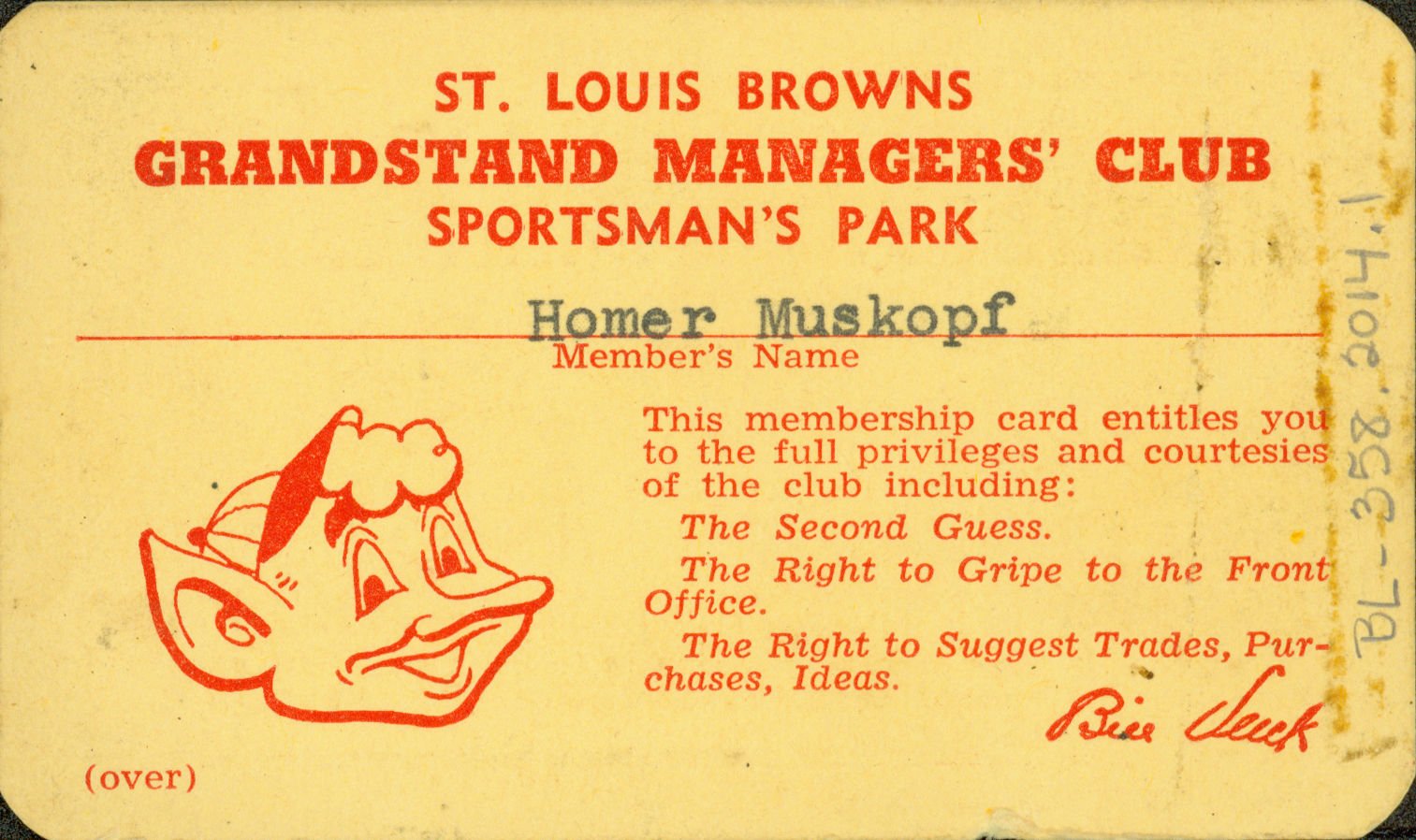
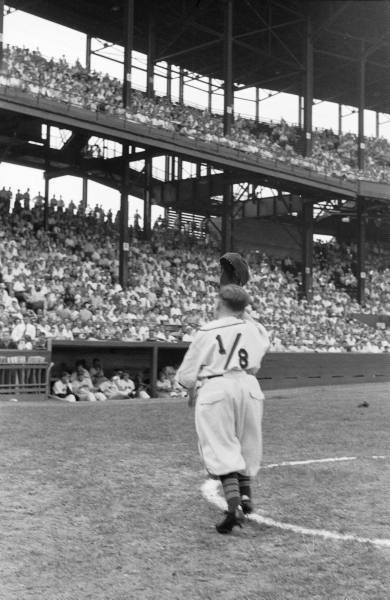
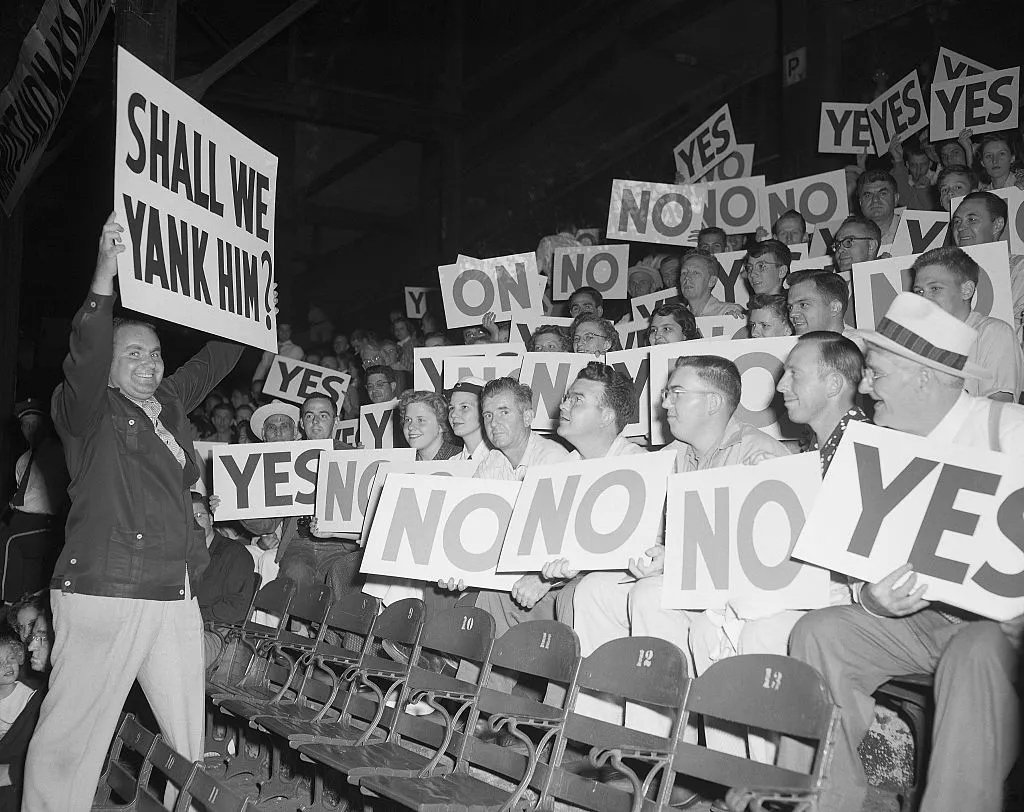
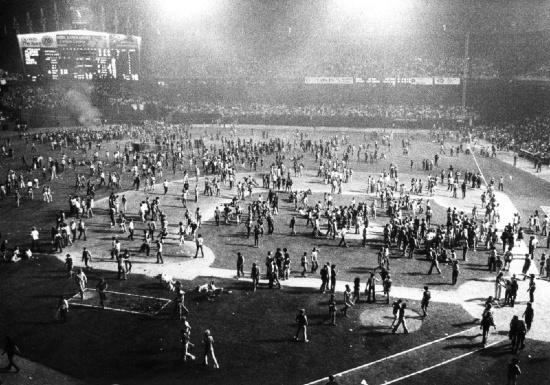
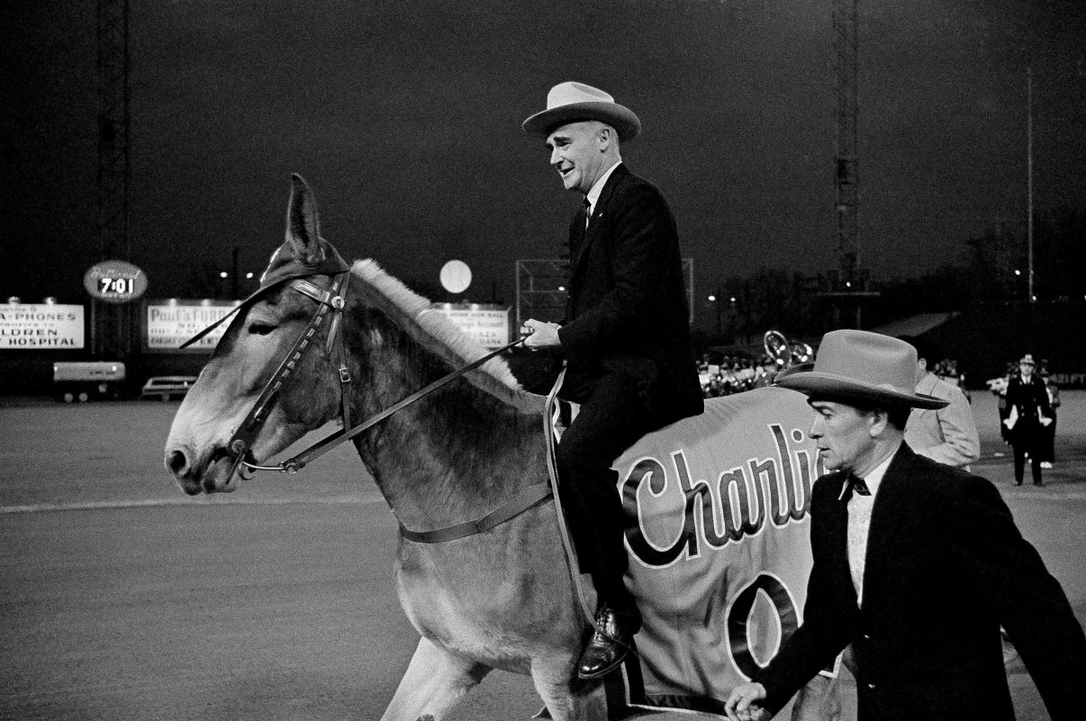
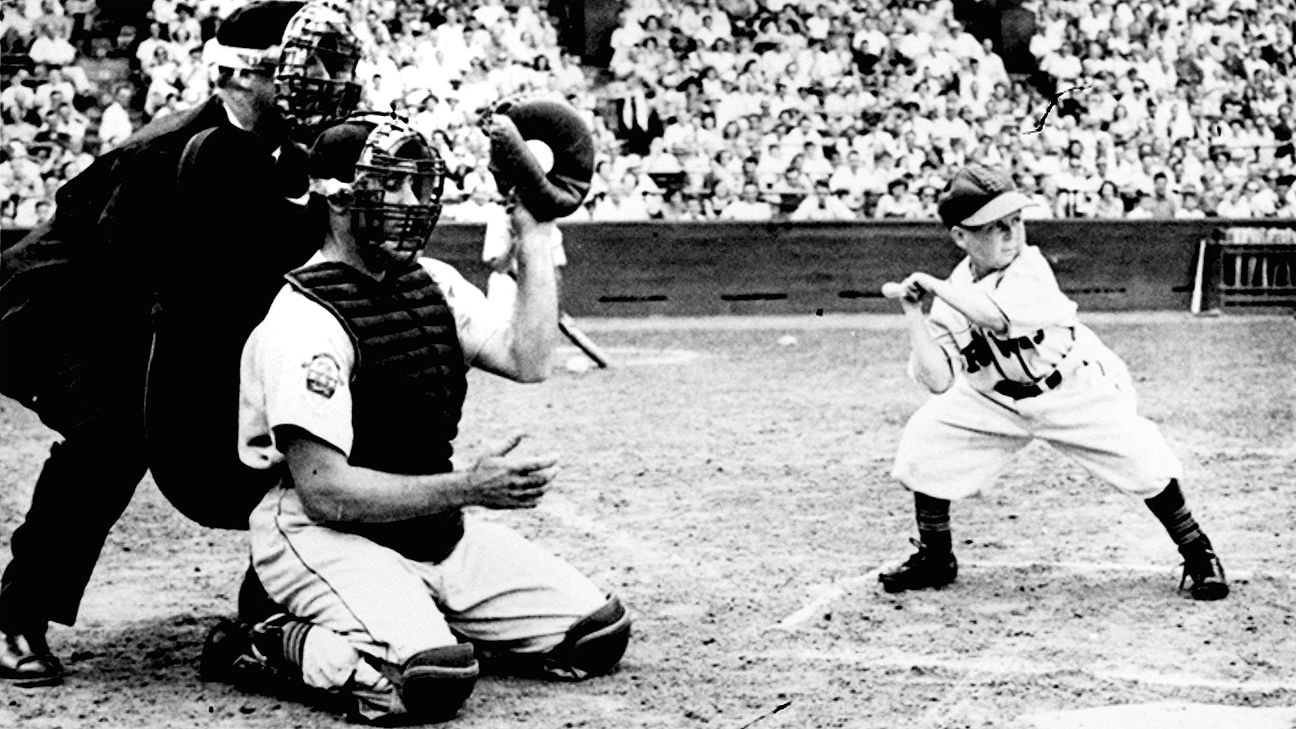
Natalicchio takes us behind the scenes of the Chicago White Sox's notorious "Disco Demolition Night," where exploding records sparked a full-blown riot; the St. Louis Browns' "Grandstand Managers’ Night, which turned fans into on-field decision-makers; the Cleveland Indians' infamous "Ten-Cent Beer Night," a drunken frenzy that ended with fans storming the field; and the legendary story of 3-foot, 7-inch tall Browns pinch-hitter Eddie Gadel, who flummoxed the Detroit Tigers with a one-plate appearance/walk in a 1951 game forever enshrined in the MLB record book. 

Beyond the laughs and jaw-dropping stories, Natalicchio explains why baseball became synonymous with over-the-top promotions, how these events reflect broader cultural shifts, and what they reveal about the delicate balance between fan engagement, entertainment, and safety.

Whether you’re a die-hard fan, a student of sports history, or fascinated by the intersection of marketing and mischief, this episode offers a revealing, entertaining, and sometimes shocking look at baseball at its most outrageous — and unforgettable.
Baseball's Most Outrageous Promotions: From Wedlock and Headlock Day to Disco Demolition Night - buy book here

EPISODE 364: The Original "Louisville Slugger" - With Tim Newby

Baltimore-based music historian and unwitting baseball biographer Tim Newby ("The Original Louisville Slugger: The Life and Times of Forgotten Baseball Legend Pete Browning") joins the show to delve deep into the story of one of the most formidable baseball players of the 19th century, whose mastery with a bat is still paying dividends today.

Over his 13-year career (including now-defunct stops like the American Association's Louisville Eclipse/Colonels and the Players' League's Cleveland Infants), inveterate power-hitter Pete Browning claimed three batting titles and consistently ranked among the top hitters of his time - immortalized as the namesake and inspiration for the iconic Louisville Slugger bat, which was first custom-made for him by the Hillerich & Bradsby Company. 

Known as "The Gladiator," Browning was famous not only for his batting skills but for his unusual habits - refusing to slide, balancing on one leg, drinking tabasco sauce, and naming his bats after biblical figures - all in pursuit of improving his game. Behind the theatrics, though, lay a more tragic reality. Browning suffered from mastoiditis, a painful condition that gradually took his hearing and hindered his education and career, ultimately leading him to self-medicate with alcohol. His larger-than-life personality, coupled with embellished newspaper accounts, only added to the myth surrounding him.

Newby helps us dance around the thin line between fact and fiction of Browning's life - including why the "Louisville Slugger" is not (yet?) in the National Baseball Hall of Fame.
The Original Louisville Slugger: The Life and Times of Forgotten Baseball Legend Pete Browning - buy here

EPISODE 254: American League Baseball Expansion/Relocation History - With Andy McCue

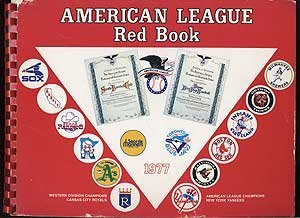
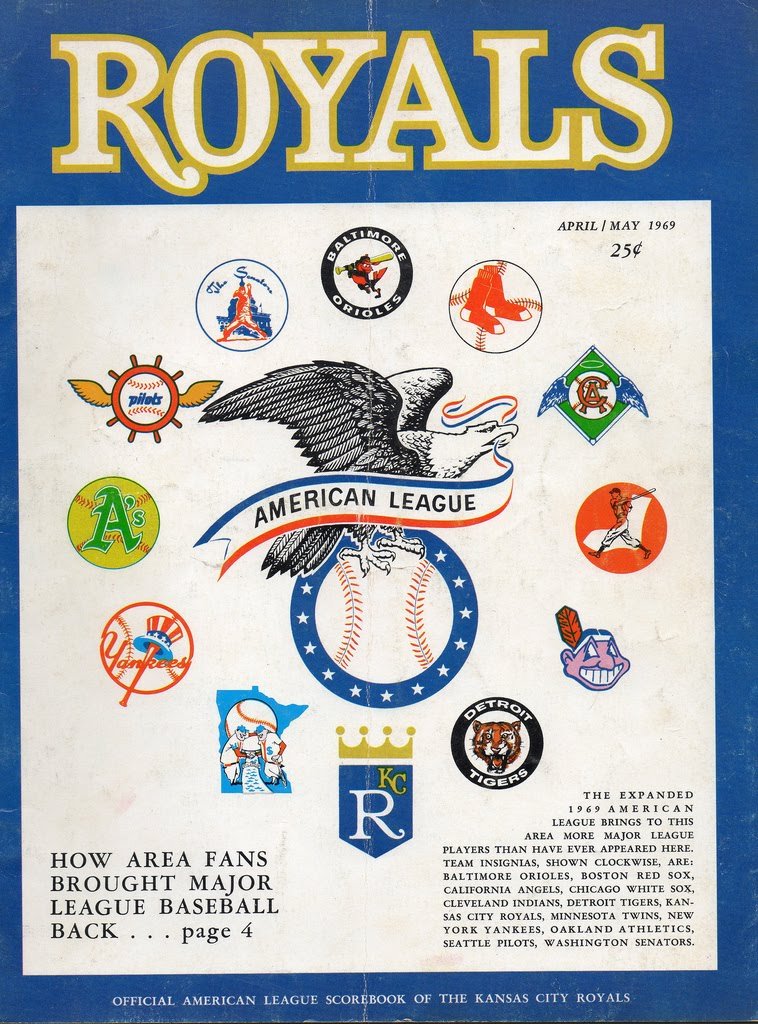
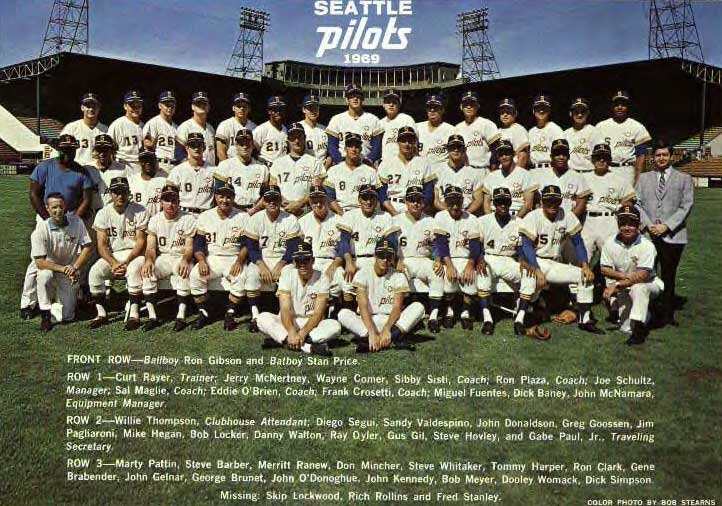
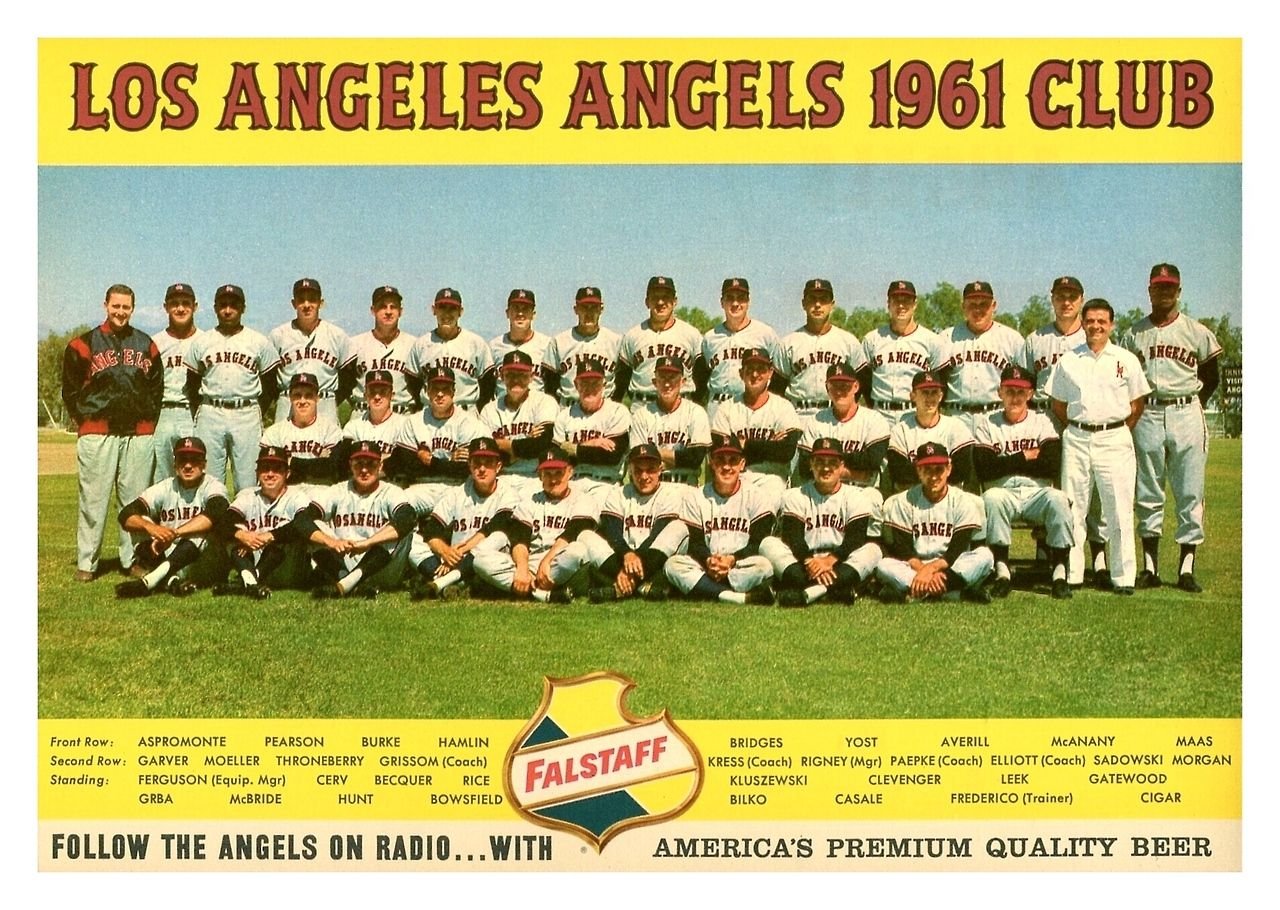
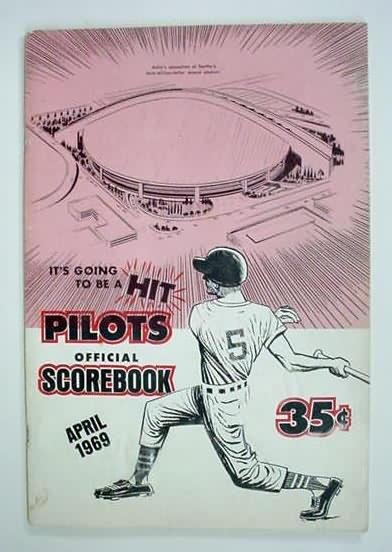
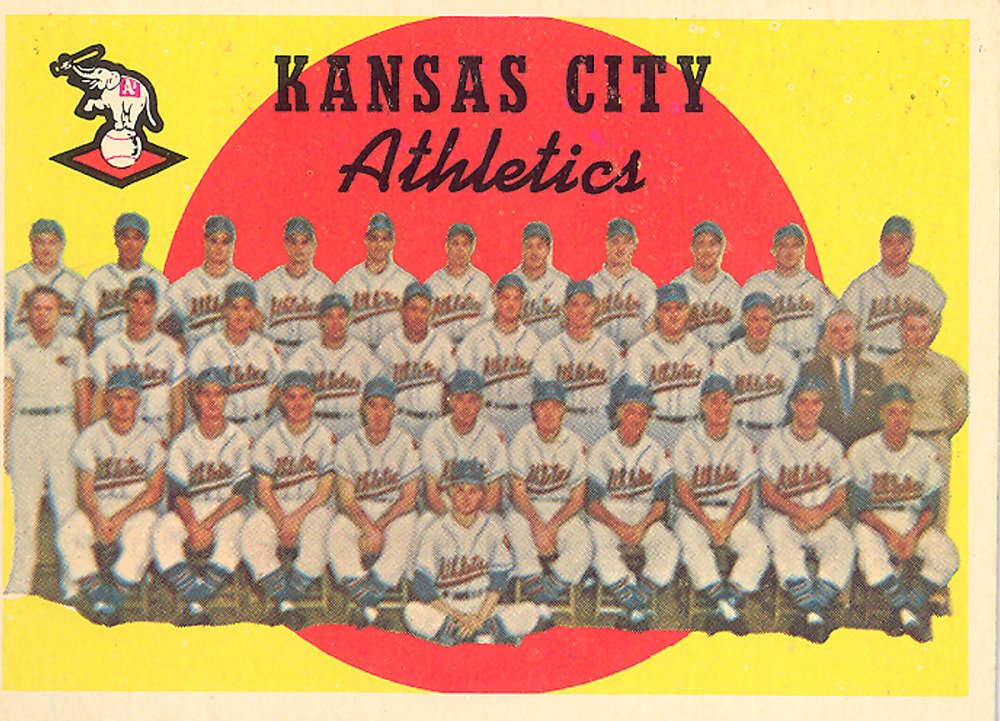
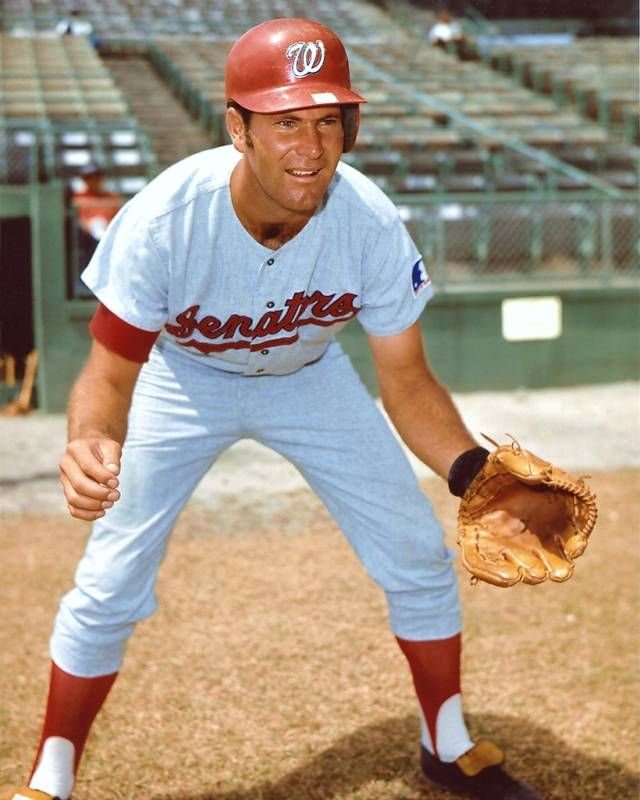
Long-time Society for American Baseball Research (SABR) contributor and "Mover and Shaker: Walter O'Malley, the Dodgers, and Baseball's Westward Expansion" author Andy McCue joins the podcast to discuss his provocative new book "Stumbling Around the Bases" - a persuasive account of the American League's consistently haphazard approach to expansion and franchise relocation during baseball's modern era:


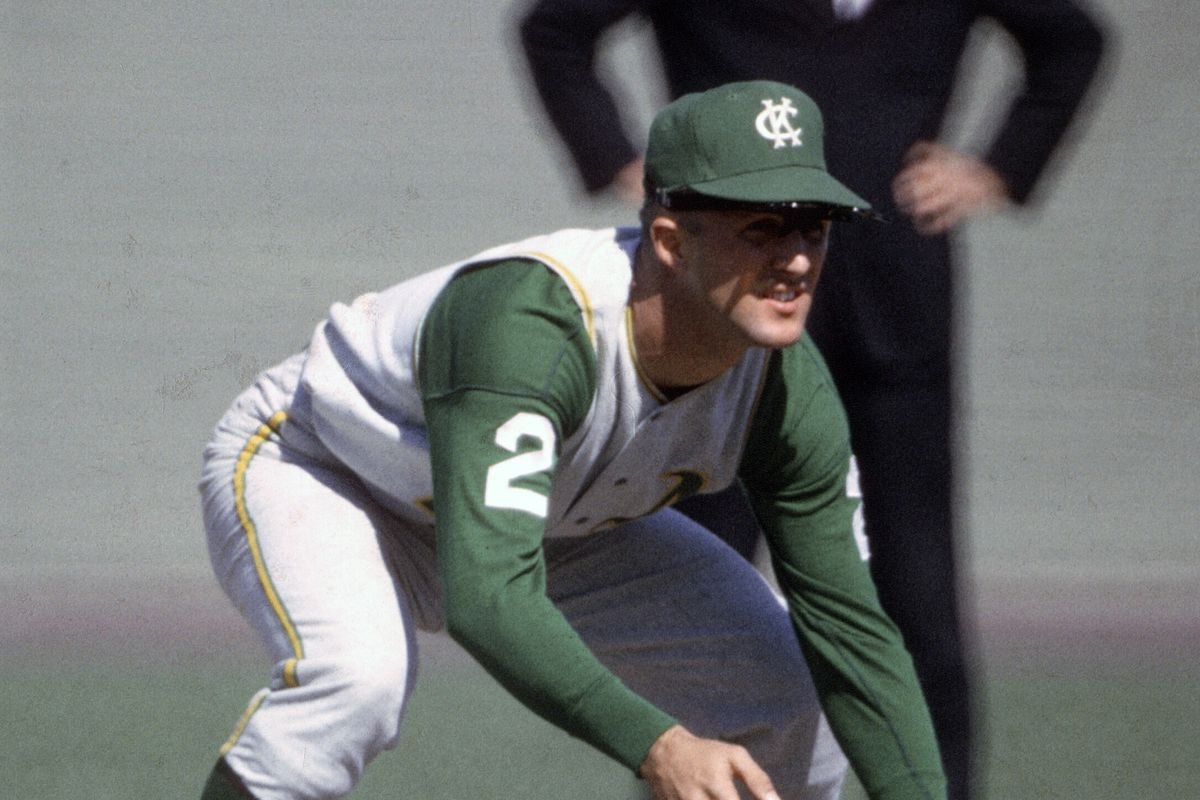
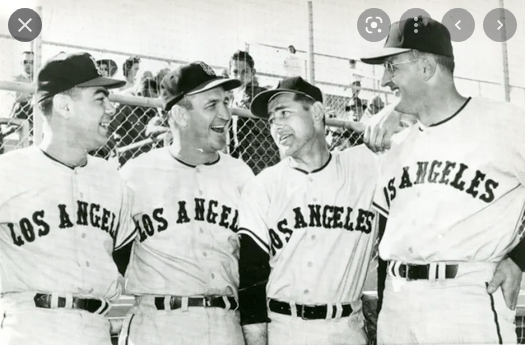
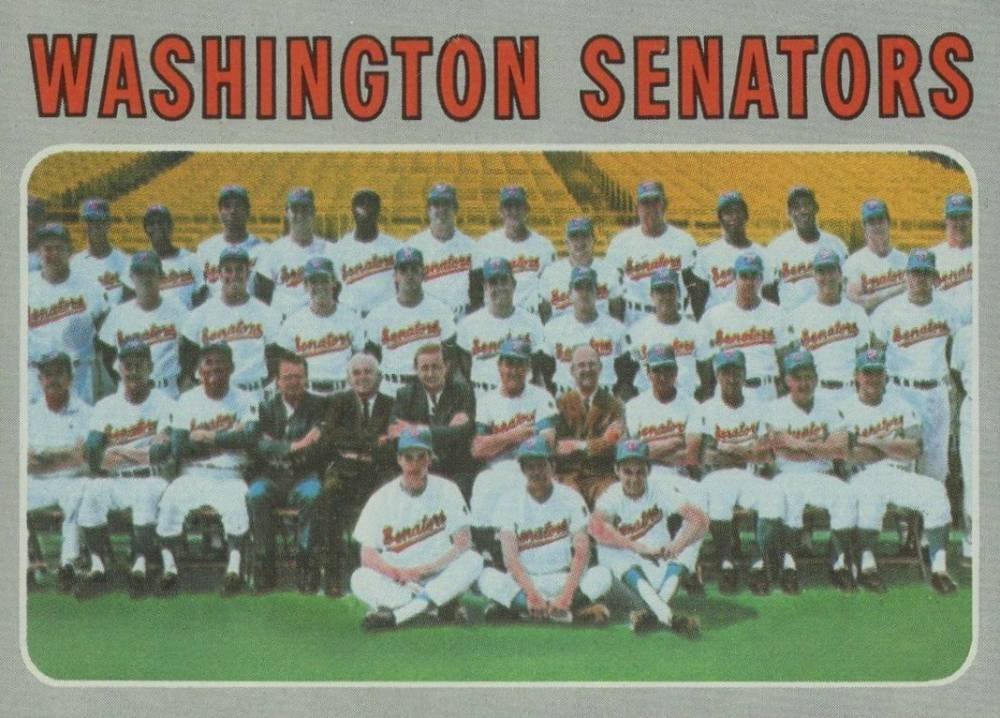
​"​From the late 1950s to the 1980s, baseball’s American League mismanaged integration and expansion, allowing the National League to forge ahead in attendance and prestige. While both leagues had executive structures that presented few barriers to individual team owners acting purely in their own interests, it was the American League that succumbed to infighting—which ultimately led to its disappearance into what we now call Major League Baseball. "Stumbling Around the Bases" is the story of how the American League fell into such a disastrous state, struggling for decades to escape its nadir and, when it finally righted itself, losing its independence.
​"​The American League’s trip to the bottom involved bad decisions by both individual teams and their owners. The key elements were a glacial approach to integration, the choice of underfinanced or disruptive new owners, and a consistent inability to choose the better markets among cities that were available for expansion. The American League wound up with less-attractive teams in the smaller markets compared to the National League—and thus fewer consumers of tickets, parking, beer, hot dogs, scorecards, and replica jerseys.

​"​The errors of the American League owners were rooted in missed cultural and demographic shifts and exacerbated by reactive decisions that hurt as much as helped their interests. Though the owners were men who were notably successful in their non-baseball business ventures, success in insurance, pizza, food processing, and real estate development, didn’t necessarily translate into running a flourishing baseball league. In the end the National League was simply better at recognizing its collective interests, screening its owners, and recognizing the markets that had long-term potential.​"​


Stumbling around the Bases: The American League’s Mismanagement in the Expansion Eras - buy book here

Mover and Shaker: Walter O'Malley, the Dodgers, and Baseball's Westward Expansion - buy book here

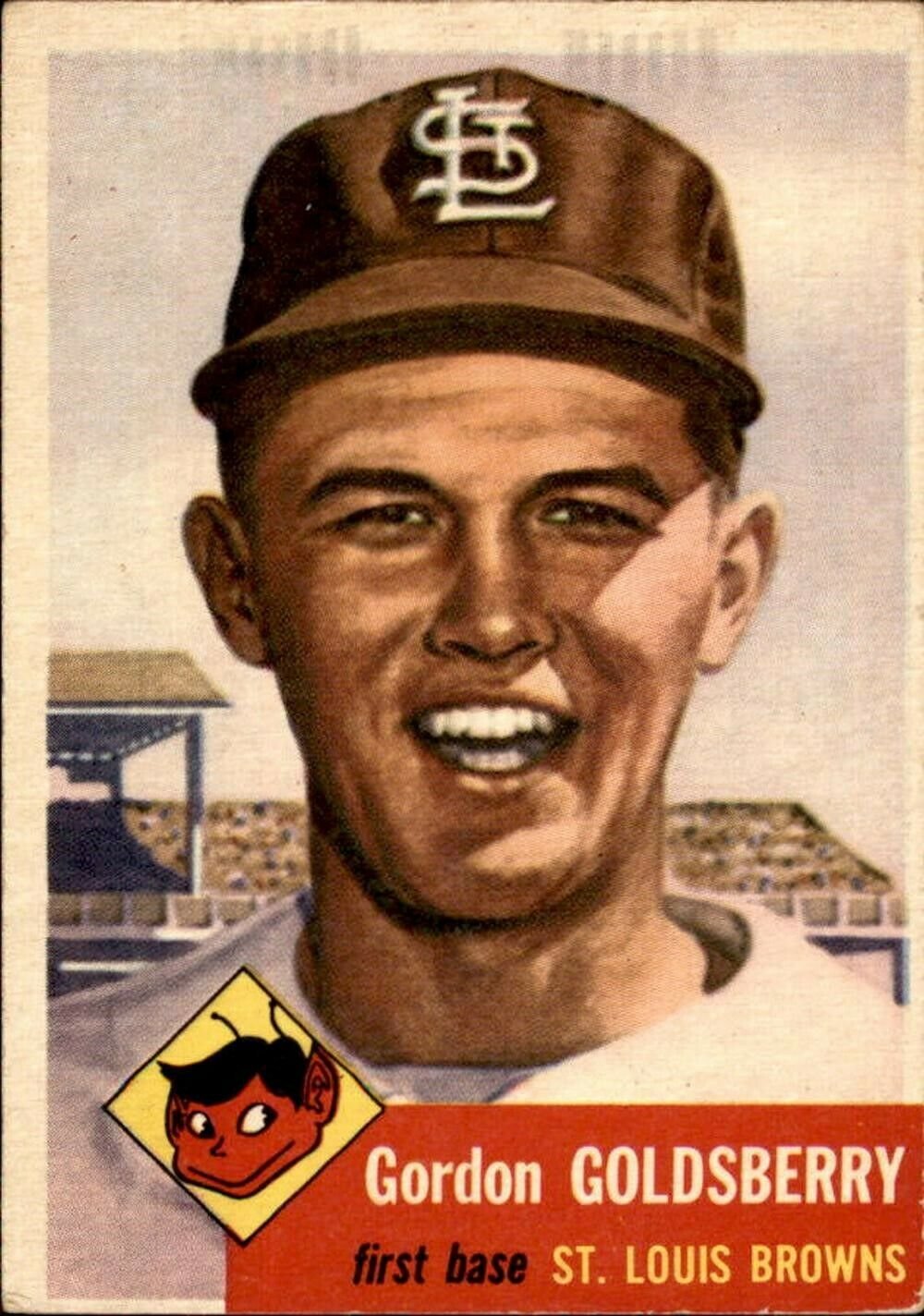
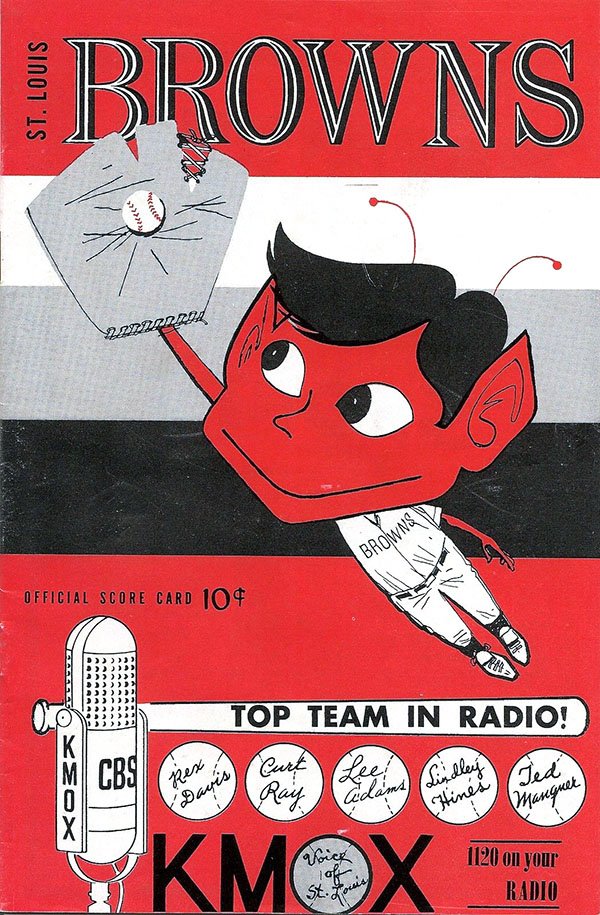
EPISODE 247: The St. Louis Browns - With Ed Wheatley

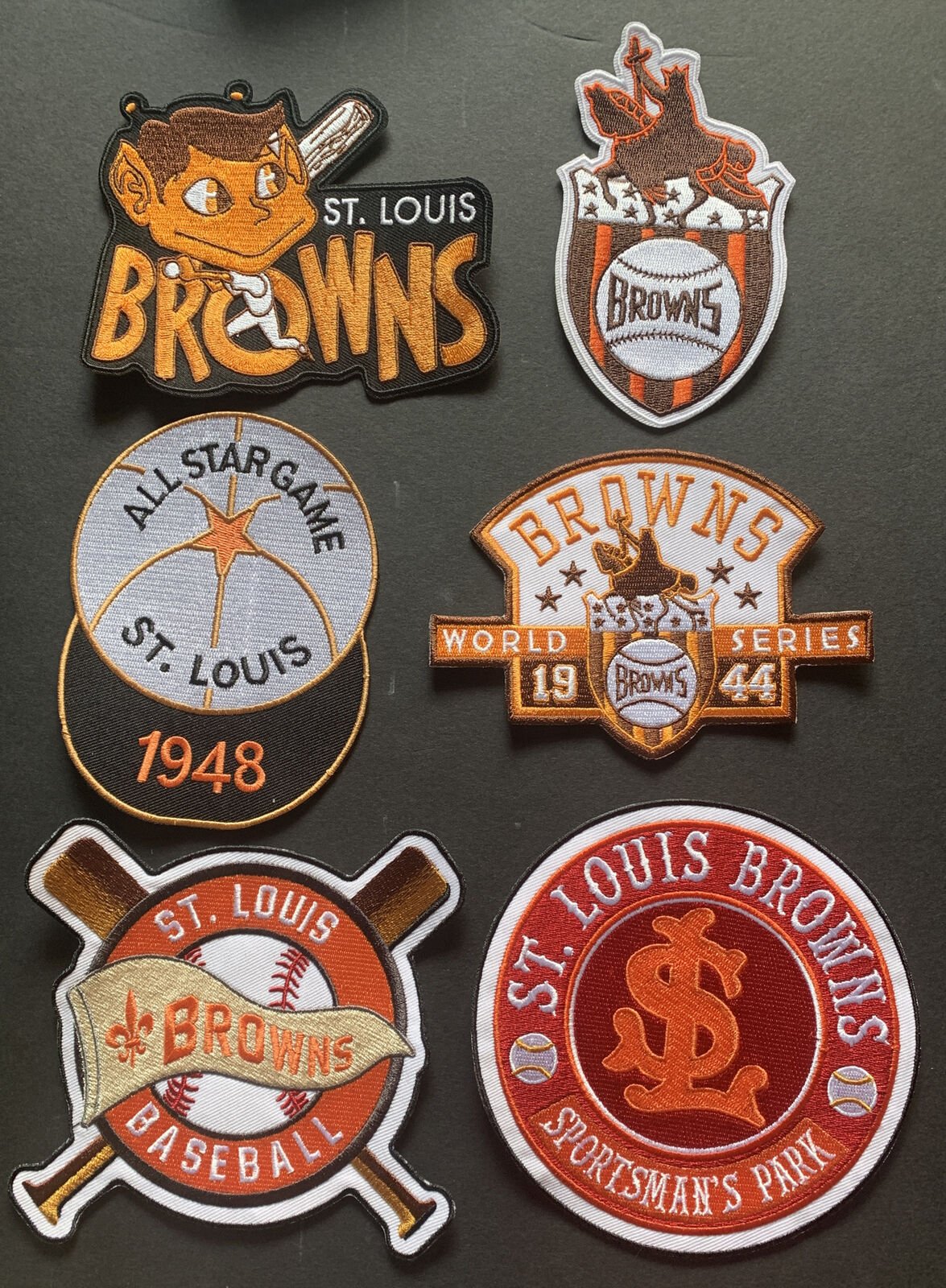
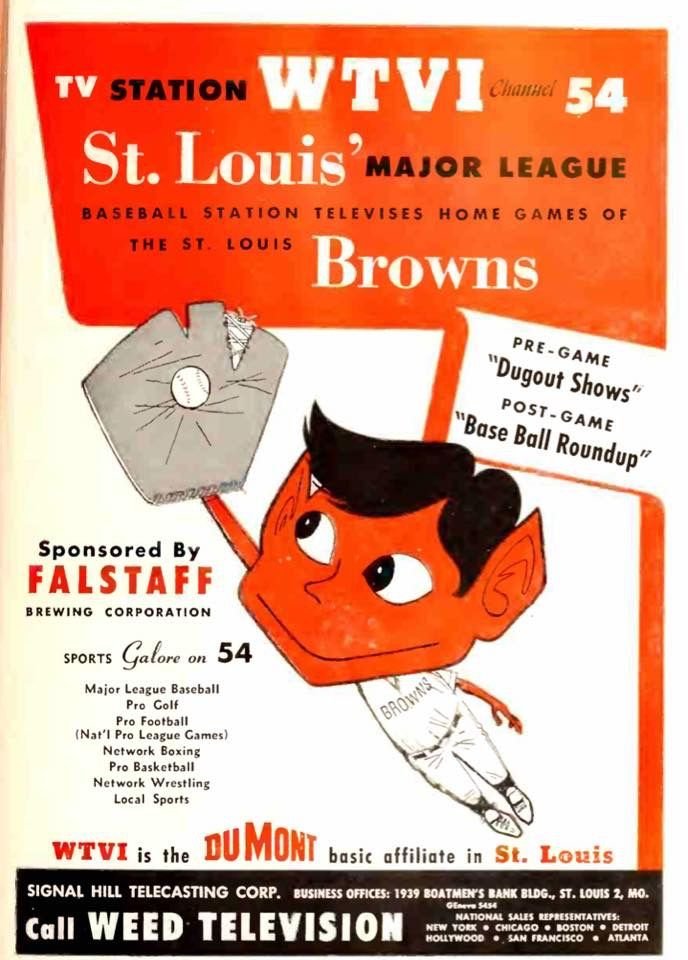
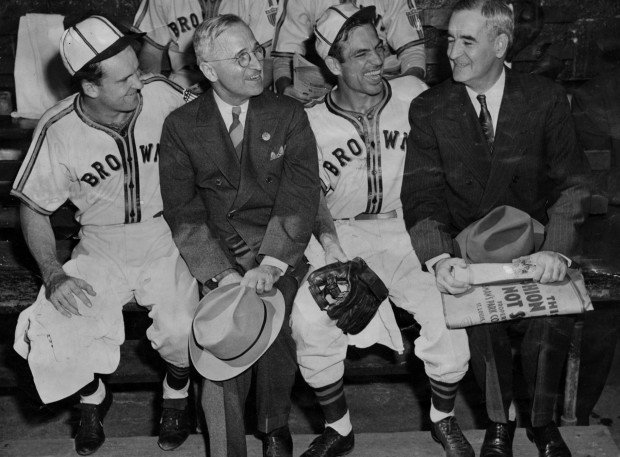
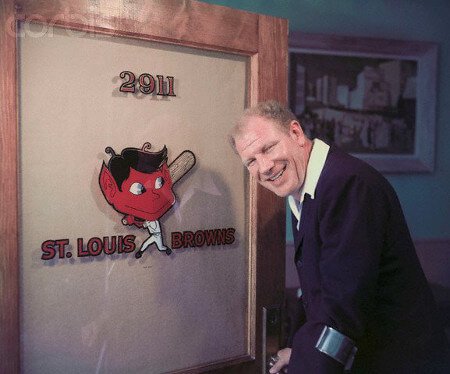
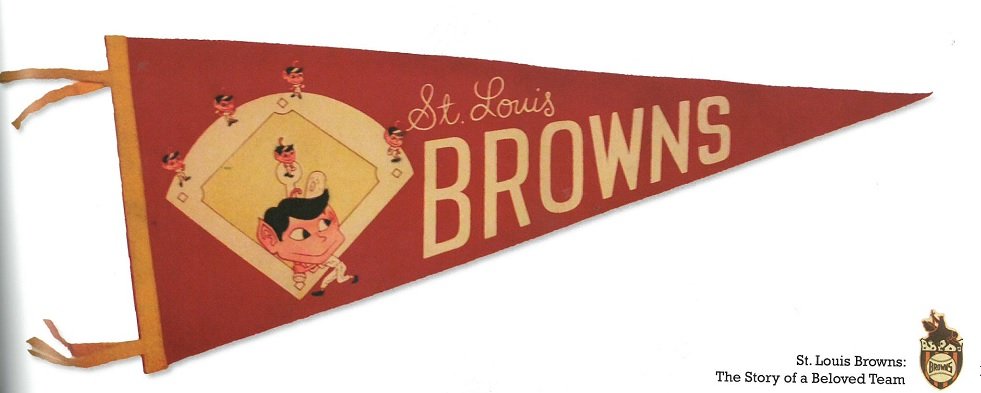
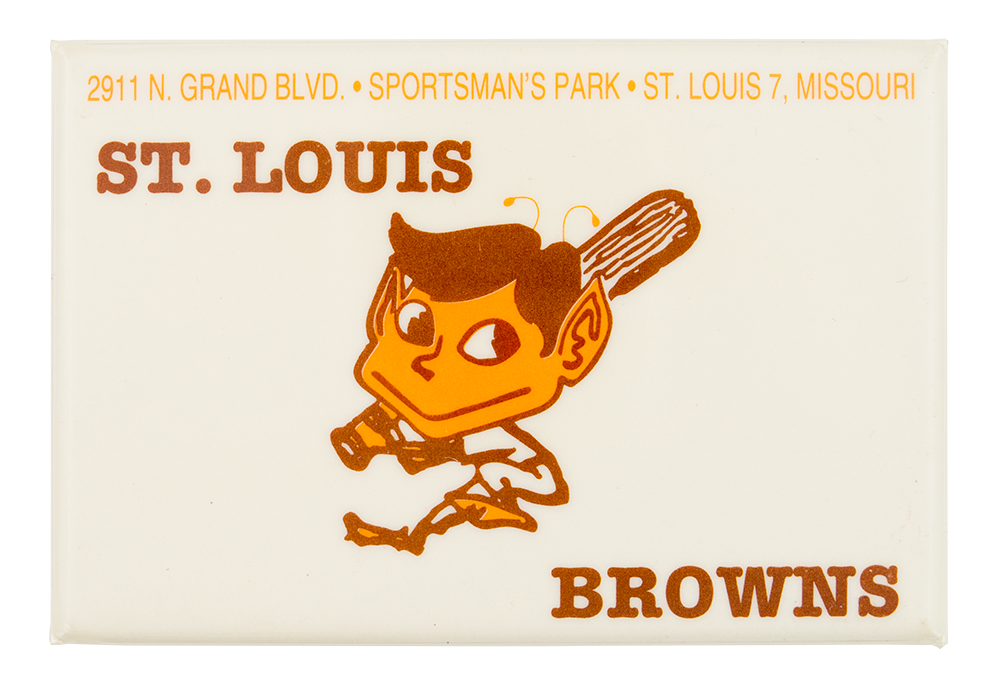
After hiding in plain sight for the better part of five years, we finally take an initial swing at the deeply fascinating story of baseball's original "lovable losers" - the St. Louis Browns.

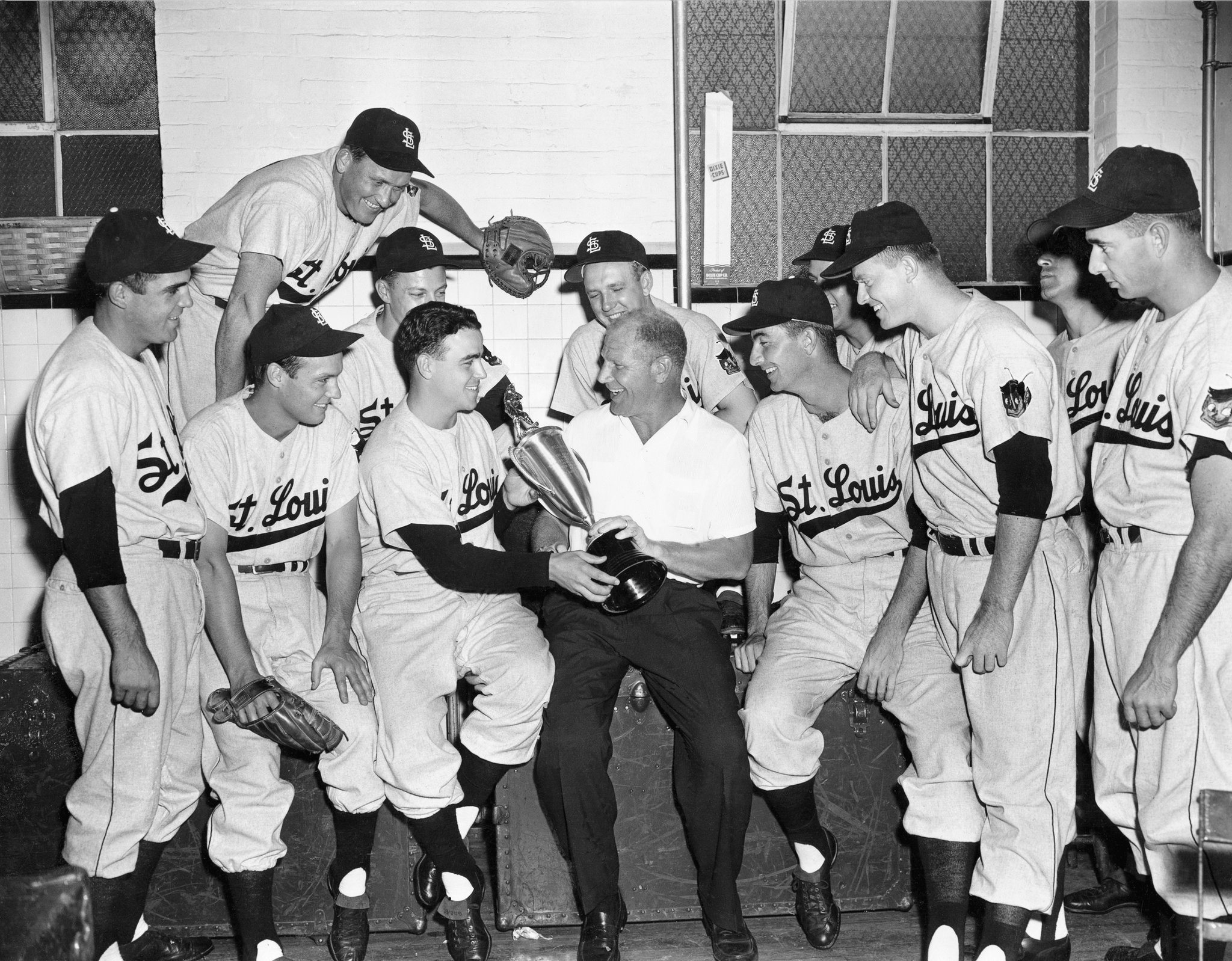
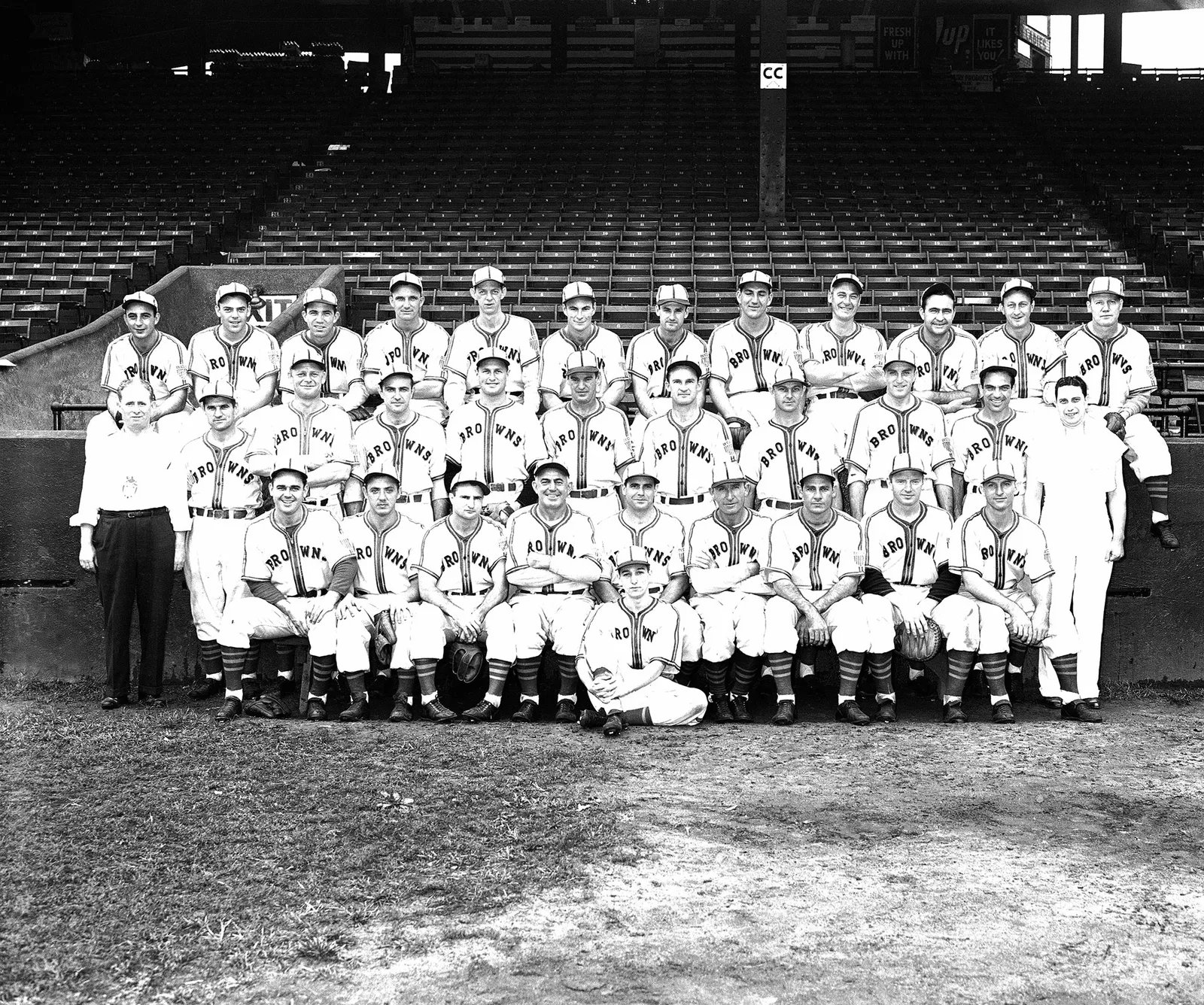
St. Louis native and keeper of the flame Ed Wheatley ("St. Louis Browns: The Story of a Beloved Team" & "Baseball in St. Louis: From Little Leagues to Major Leagues") knows a thing or two about this most forlorn, but curiously beloved American League franchise of yore (1902-53); as the President of the St. Louis Browns Historical Society, it is his passion and duty to burnish the memory and celebrate the contributions of the Brownies - despite its half-century of mostly forgettable on-field performance.

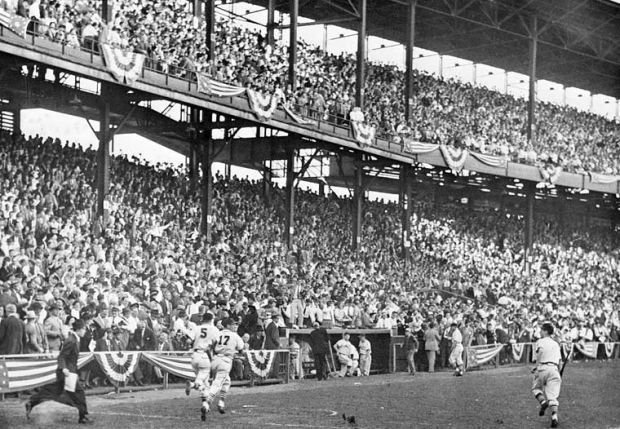
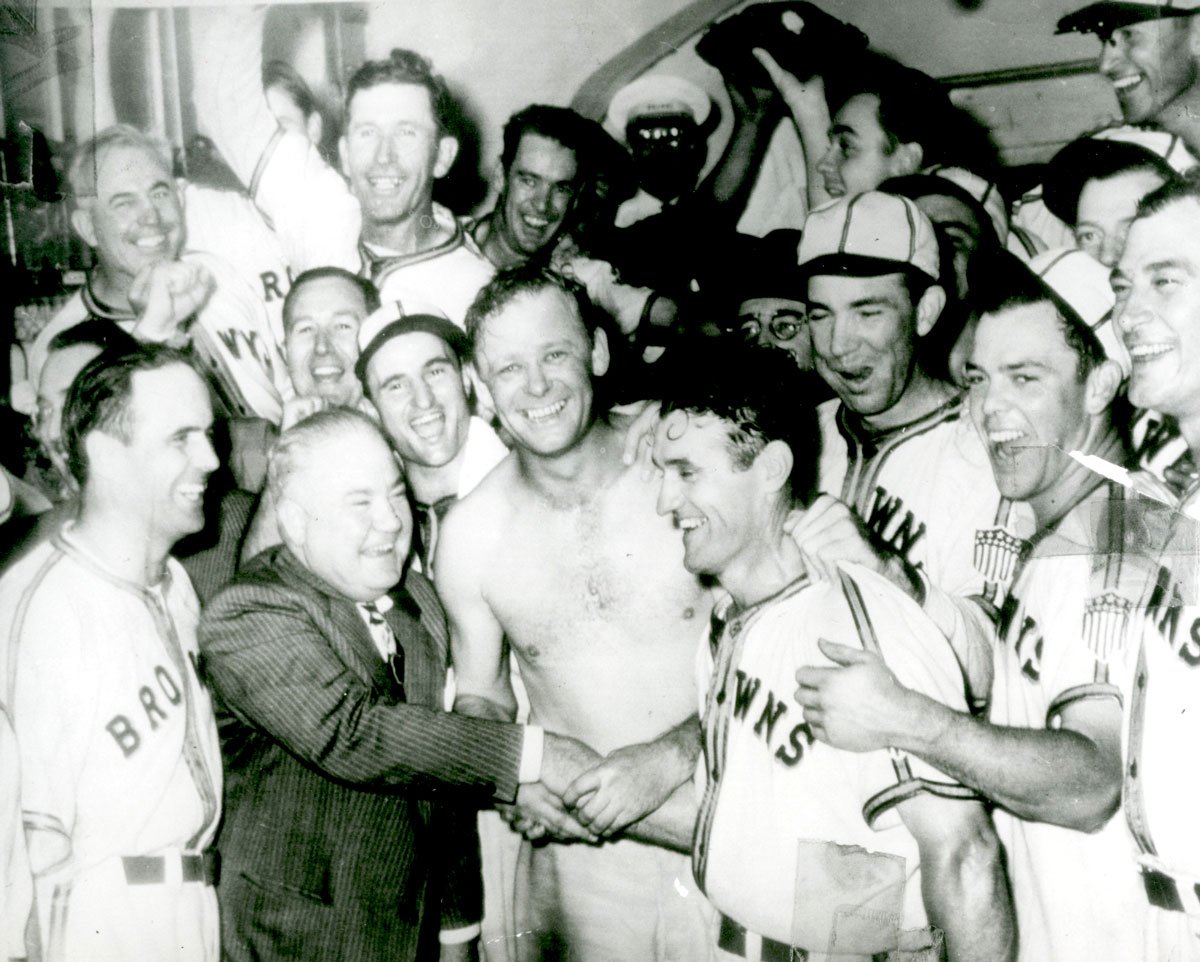
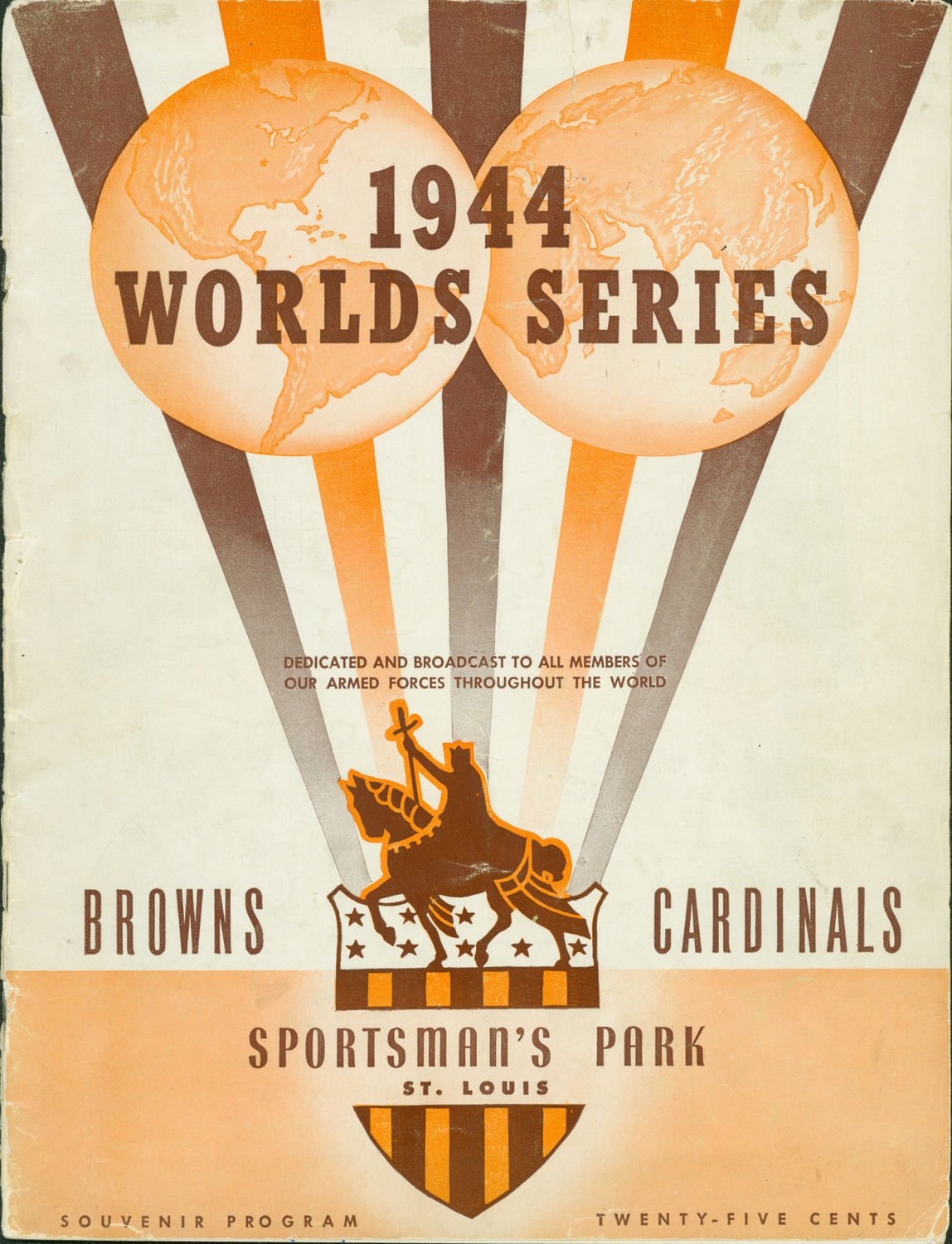
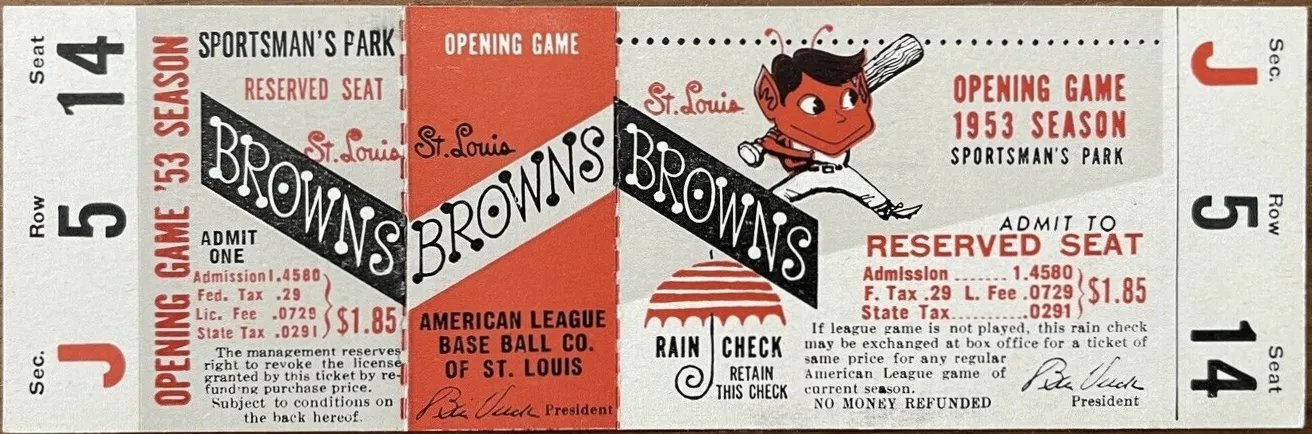
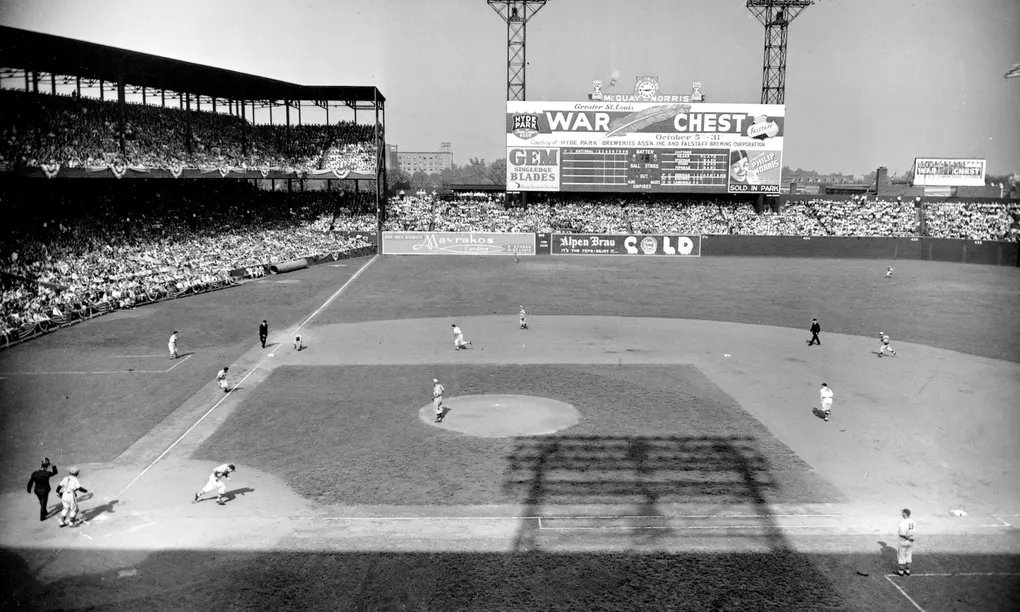
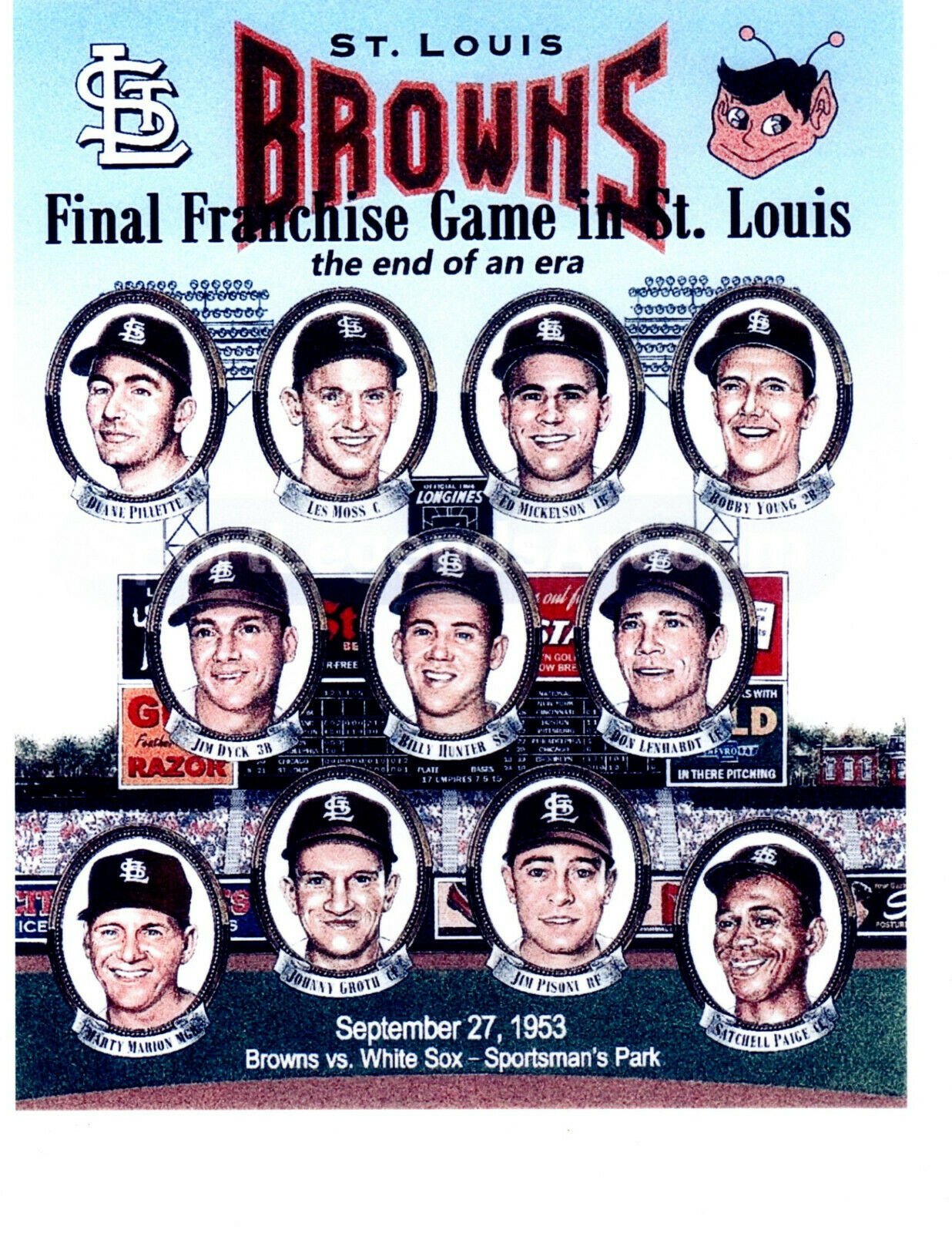
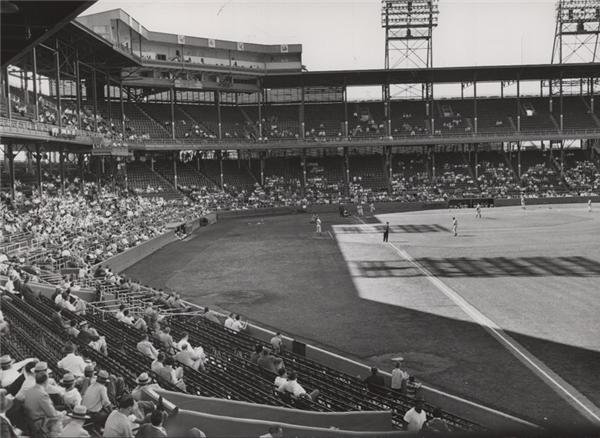
Before organized baseball forced then-owner Bill Veeck to sell the club to a Baltimore syndicate in 1953 to ultimately become today's similarly lamentable Orioles, the Browns battled the cross-town Cardinals for St. Louis' baseball attention - often at the city's venerable Sportsman's Park, which they both claimed as home for the better part of 30 years, including an all-St. Louis World Series in 1944 (won, of course, by the Redbirds).

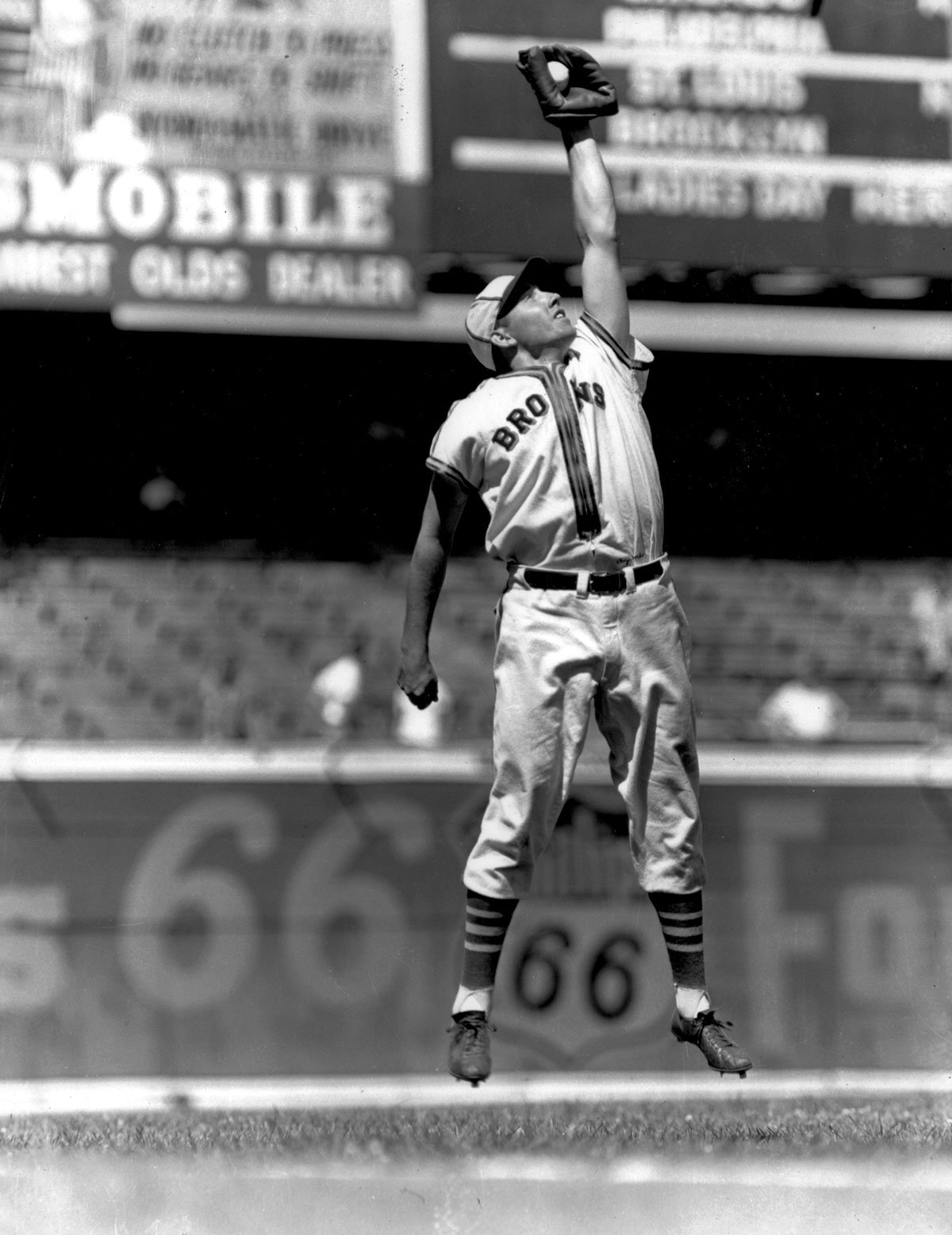
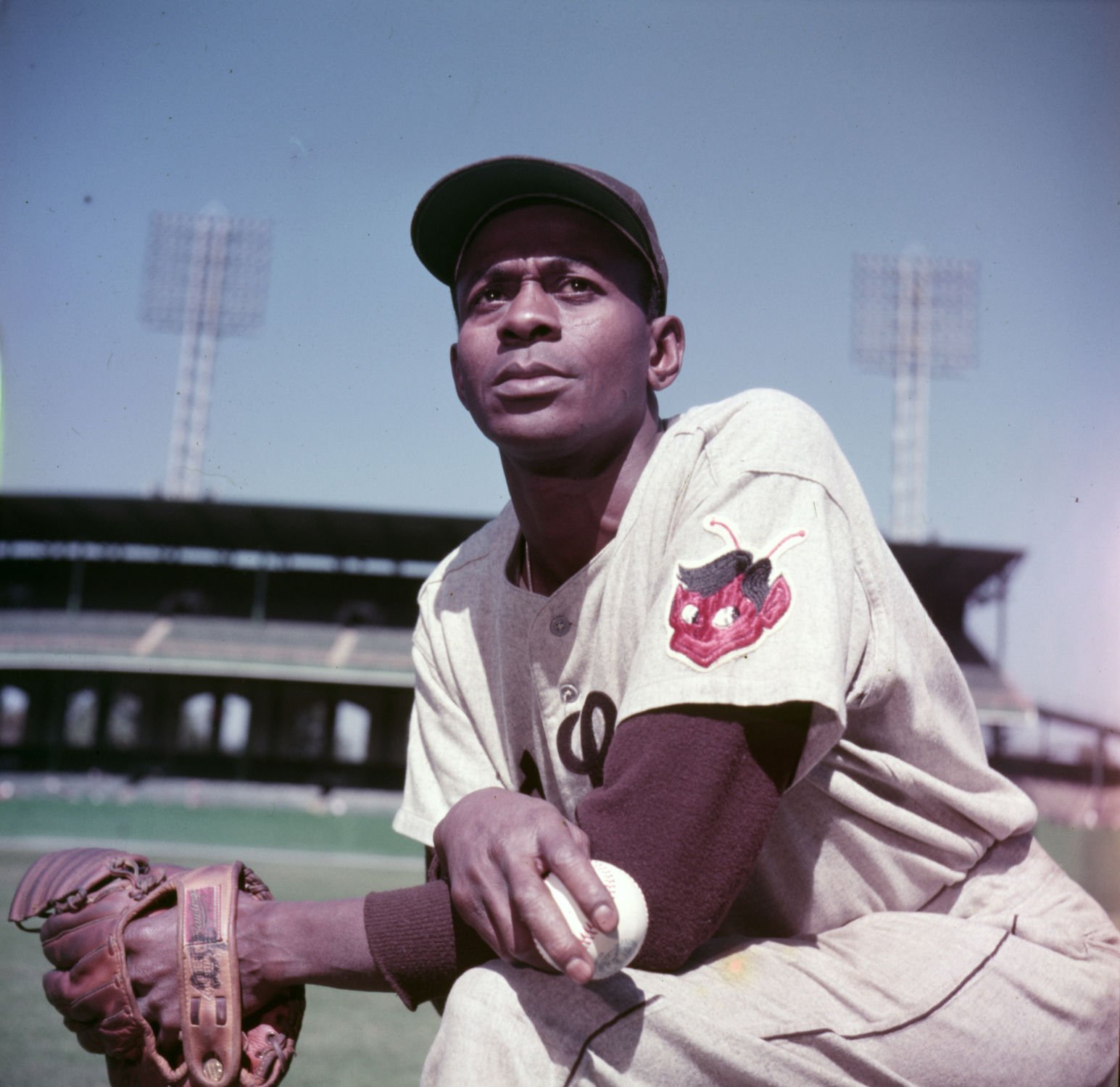
Despite only one playoff appearance in 52 seasons ("First in shoes, first in booze, and last in the American League"), the Browns still had their share of fans, as well as some of baseball's most memorable characters - like Branch Rickey (as a player, manager and even GM), Hall of Famers "Gorgeous” George Sisler and Rogers Hornsby, one-armed utility outfielder Pete Gray, and, of course, the one-at-bat wonder of 3-foot, 7-inch Eddie Gaedel.


St. Louis Browns: The Story of a Beloved Team - buy book here

Baseball in St. Louis Browns: From Little Leagues to Major Leagues - buy book here