EPISODE 434: US Soccer World Cups, National Teams & Pro Leagues - With Alan Rothenberg

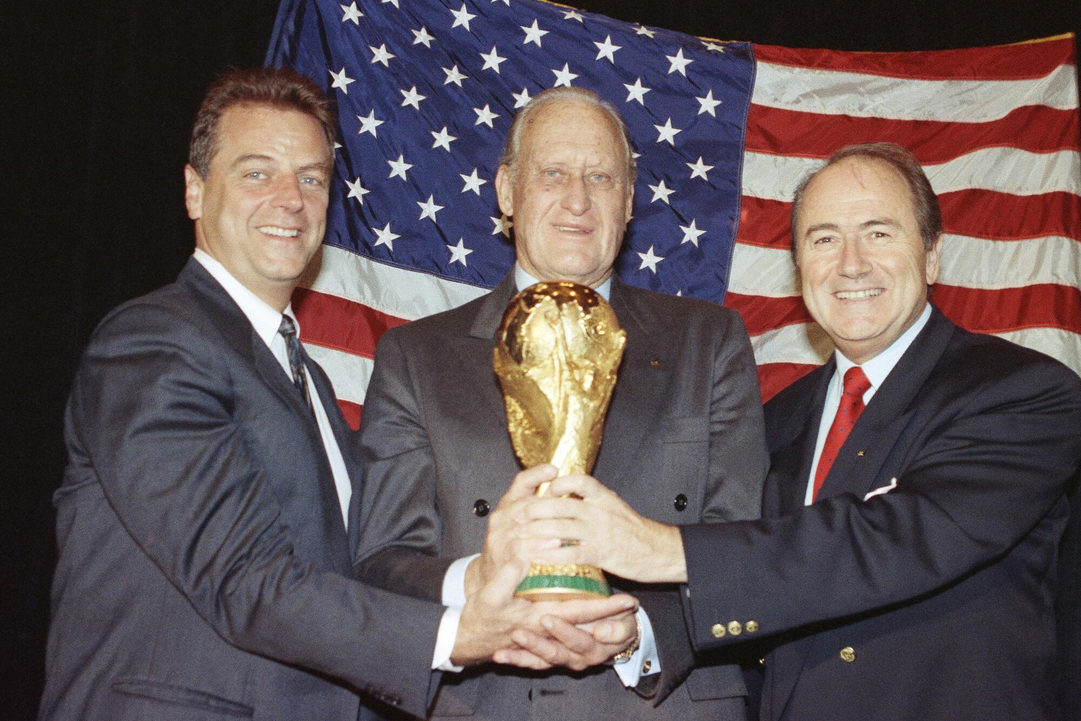
Few figures have shaped modern American soccer more profoundly than Alan Rothenberg ("The Big Bounce: The Surge That Shaped the Future of U.S. Soccer") — and in this revelatory conversation, he tells the story in his own words.

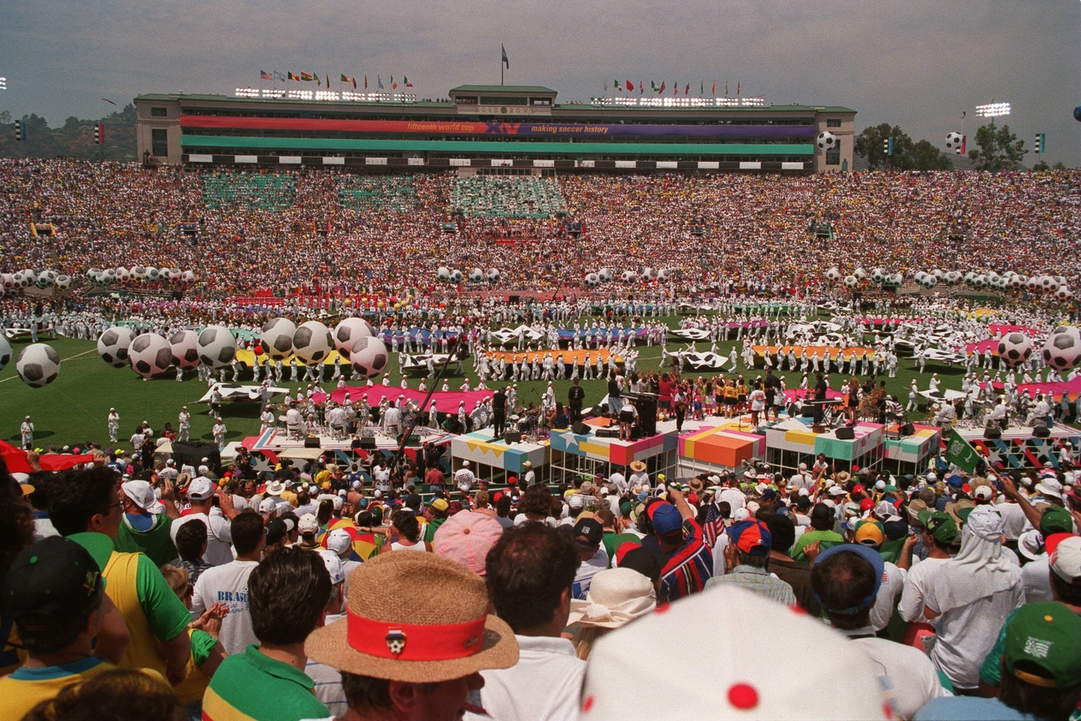
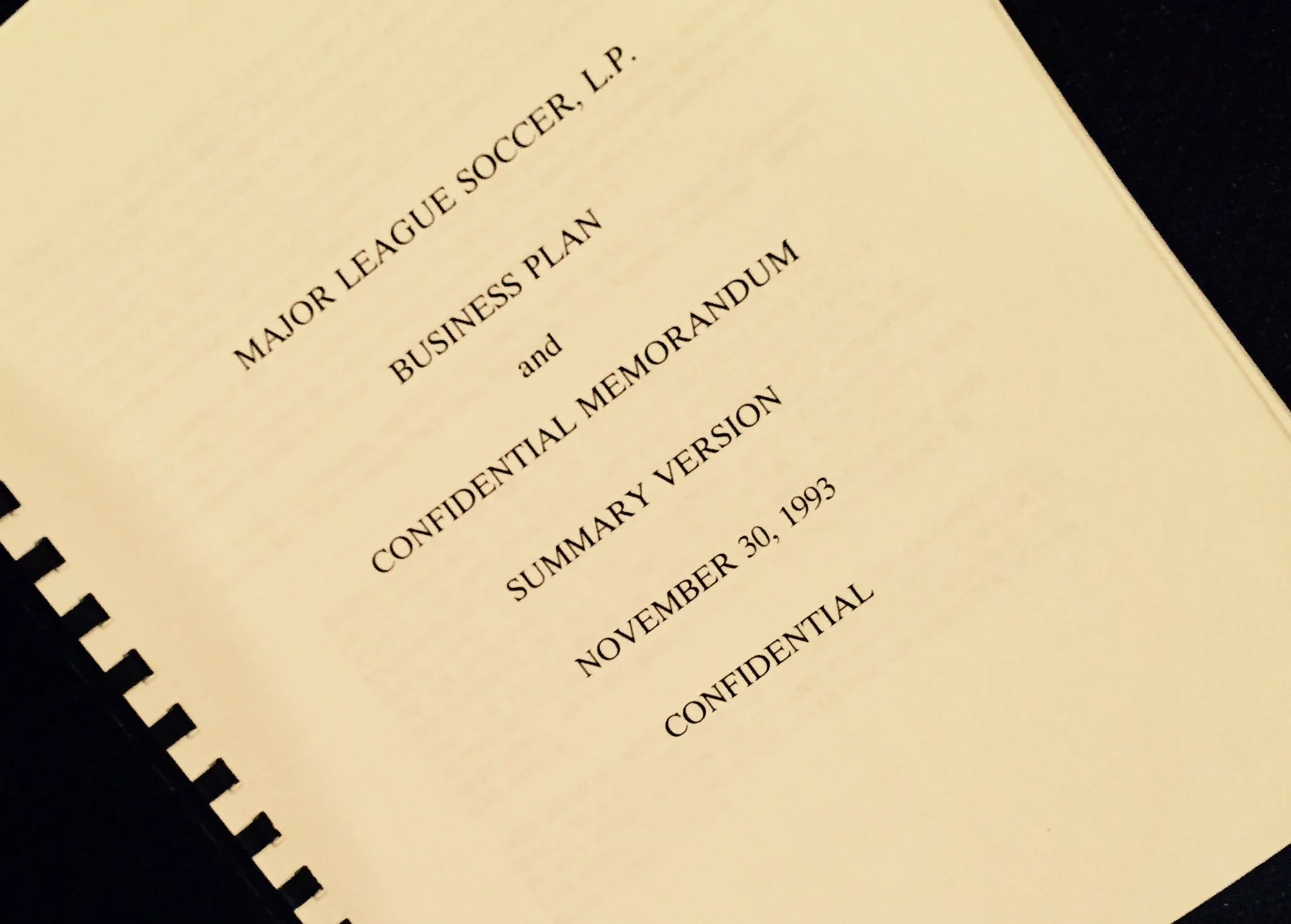
Best known as the founding architect of Major League Soccer and the driving force behind the record-breaking 1994 FIFA World Cup, Rothenberg’s influence on the game in the United States stretches back decades earlier than most fans realize. Long before MLS kicked off in 1996, he was immersed in the sport’s early, fragile professional era.

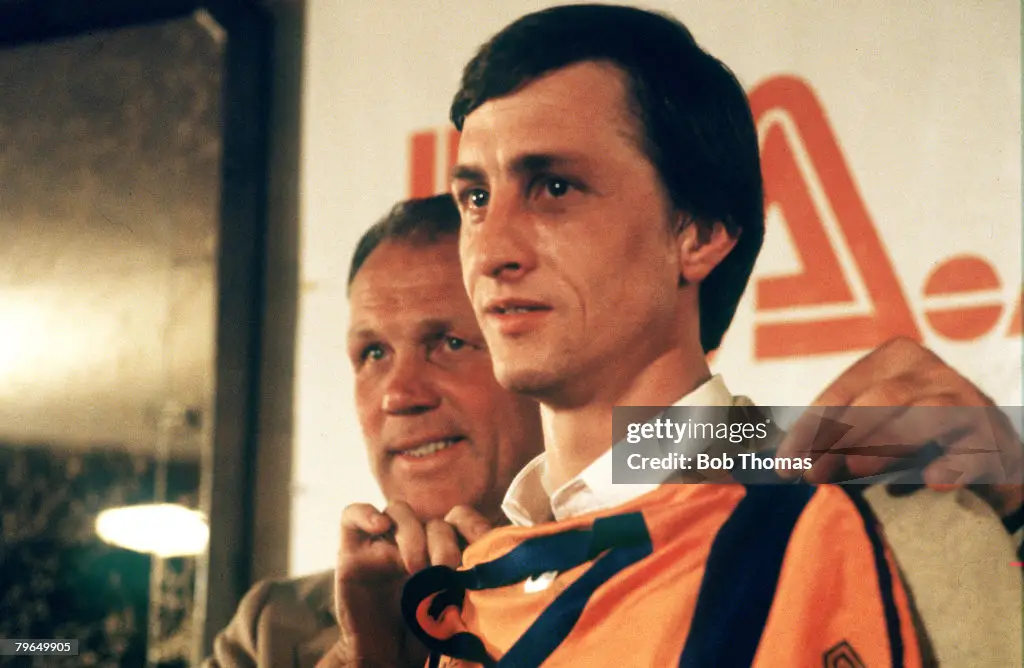
In the late 1960s, Rothenberg worked alongside Jack Kent Cooke in the United Soccer Association, helping operate the Los Angeles Wolves — an ambitious effort to import top international clubs to American audiences. He later held a brief ownership stake in the Los Angeles Aztecs of the North American Soccer League, gaining firsthand insight into the promise and ultimate collapse of pro soccer’s first boom-and-bust cycle in the U.S.

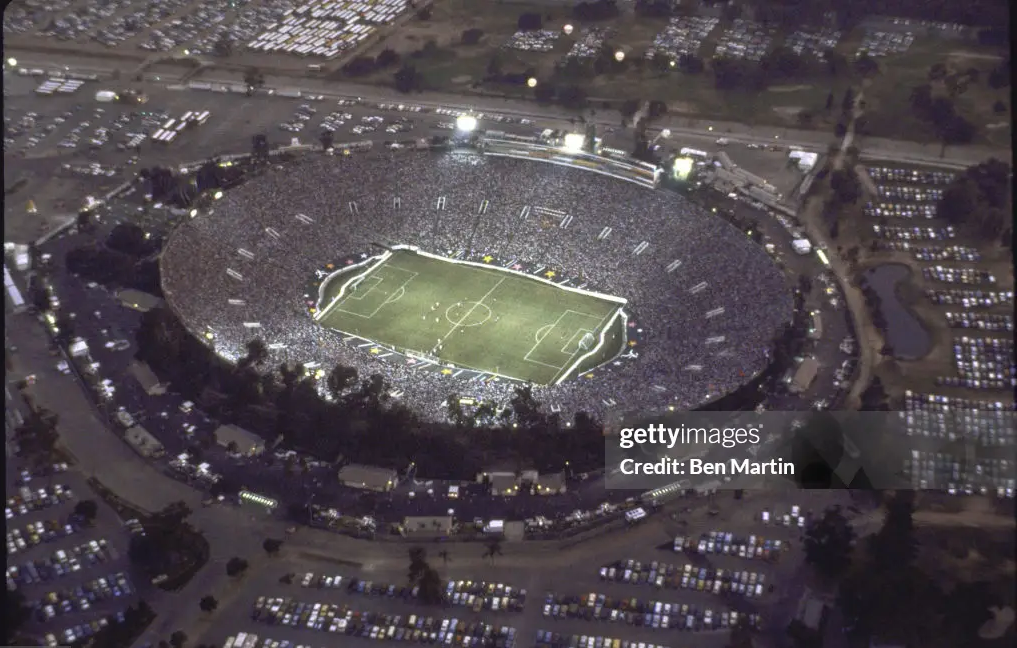
A pivotal turning point came when Rothenberg ran the soccer competition for the 1984 Summer Olympics. At a time when many doubted the American market, the tournament drew unexpectedly strong crowds — helping persuade FIFA that the United States could successfully host a World Cup.

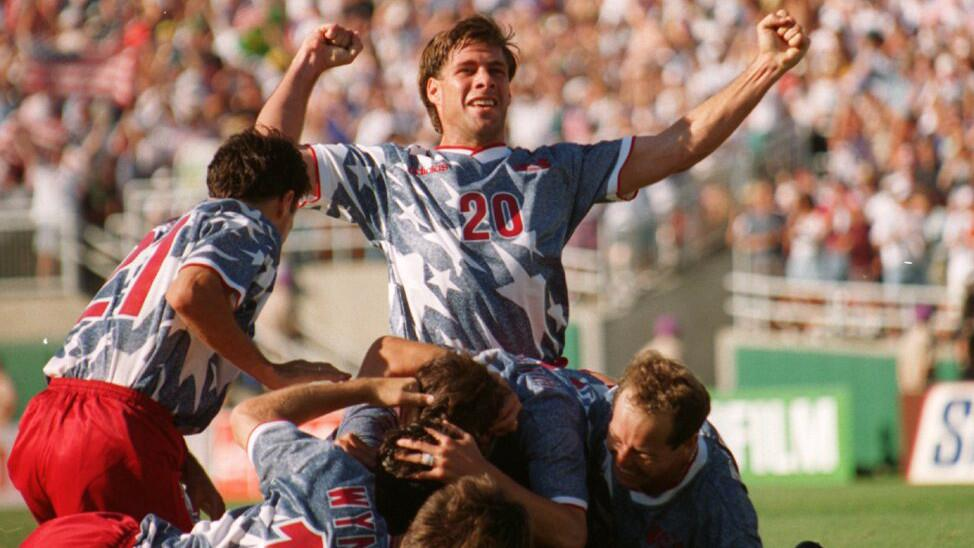
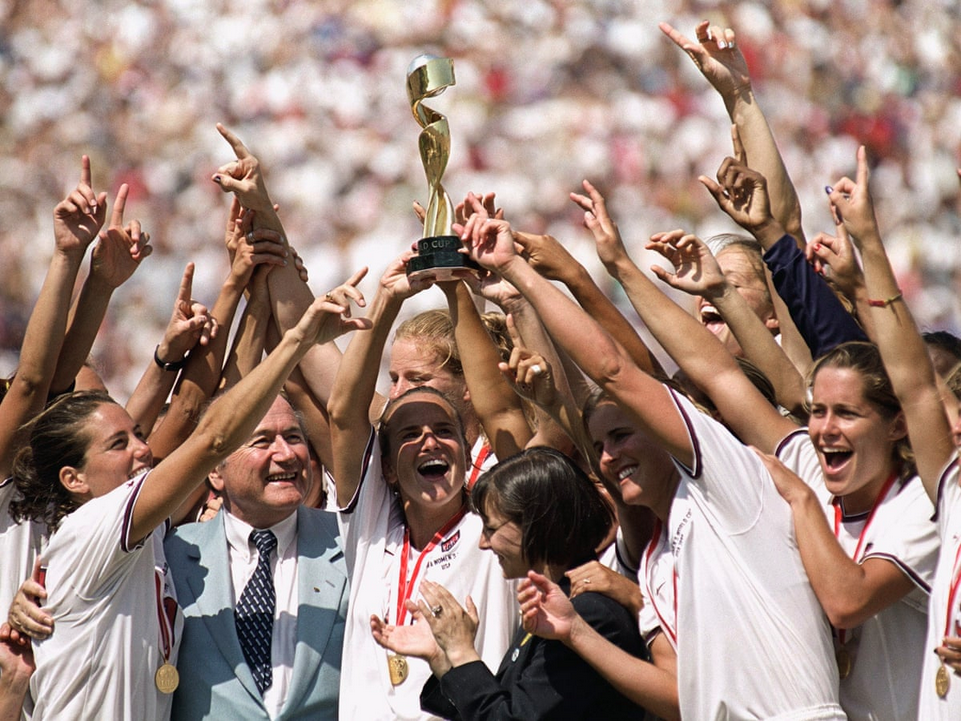
As president of the United States Soccer Federation from 1990 to 1998, Rothenberg delivered on that promise. The 1994 World Cup became the most financially successful in history to that point, and he fulfilled the bid commitment to launch MLS — creating the stable Division I league that had eluded the country for generations. He also chaired the 1999 Women’s World Cup, another watershed moment.

In this candid interview, Rothenberg reflects on risk, resistance, political maneuvering, and the long game of institution-building — offering rare, behind-the-scenes insight into how American soccer finally found its footing.

The Big Bounce: The Surge That Shaped the Future of U.S. Soccerbuy book here

EPISODE 416: Denver's "Olympics That Never Happened" - With Adam Berg

In the late 1960s, Denver’s business and political leaders were convinced they had secured the ultimate prize in international sport: the 1976 Winter Olympic Games. With the backing of the US Olympic Committee and a successful bid before the International Olympic Committee, Colorado seemed poised to showcase itself on the world stage. But just two years later, that dream collapsed in spectacular fashion — when the state's voters did the unthinkable, and told the Olympics to go elsewhere.

This week, we explore the fascinating saga of the “Olympics that never happened” with cultural historian and UNC Greensboro professor Adam Berg, author of "The Olympics That Never Happened: Denver ’76 and the Politics of Growth." Berg examines how an elite coalition of boosters and officials promised a glittering event, only to face escalating costs, shaky logistics, environmental concerns, and — most importantly — a grassroots multi-issue opposition movement that united environmentalists, taxpayer advocates, and suburban "NIMBY" homeowners.

It’s a story that goes far beyond sport — one about power, growth, democracy, and the limits of civic boosterism in a rapidly changing/modernizing Colorado. Berg reveals how the defeat of the Games energized a new political consciousness, launched the career of future governor Richard Lamm, and reshaped how host cities and the IOC think about public consent for mega-events.

It's one of the most remarkable “what-ifs” in Olympic history — and a story whose impact still resonates today.

The Olympics that Never Happened: Denver '76 and the Politics of Growth - buy here

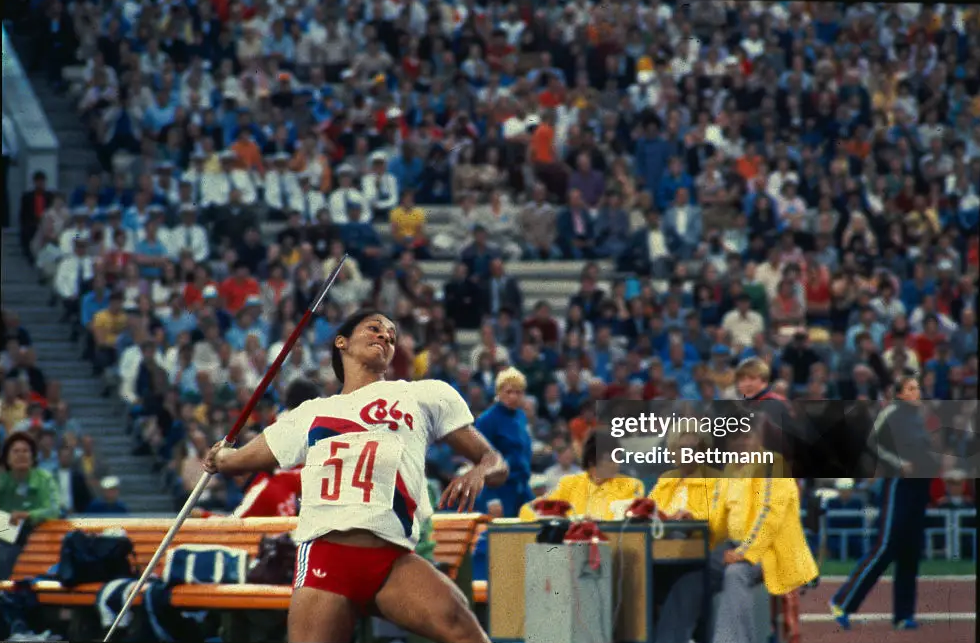
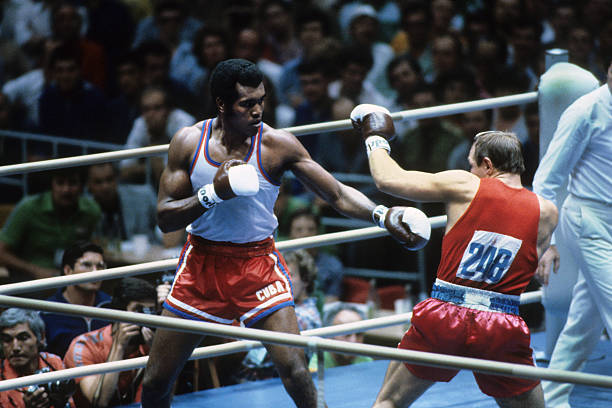
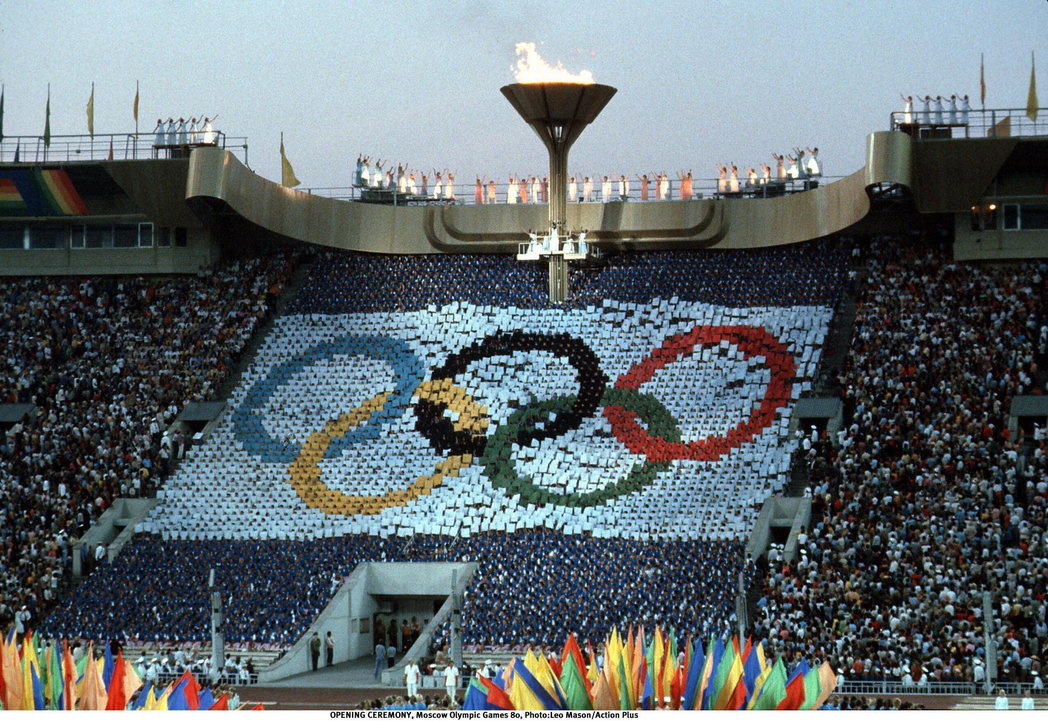
EPISODE 406: The 1980 Moscow Summer Olympics - With Tommy Phillips

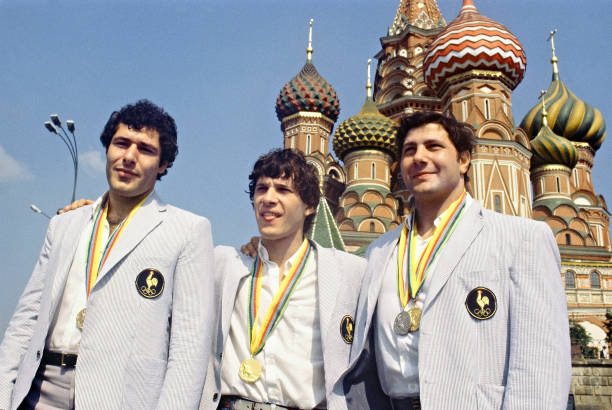
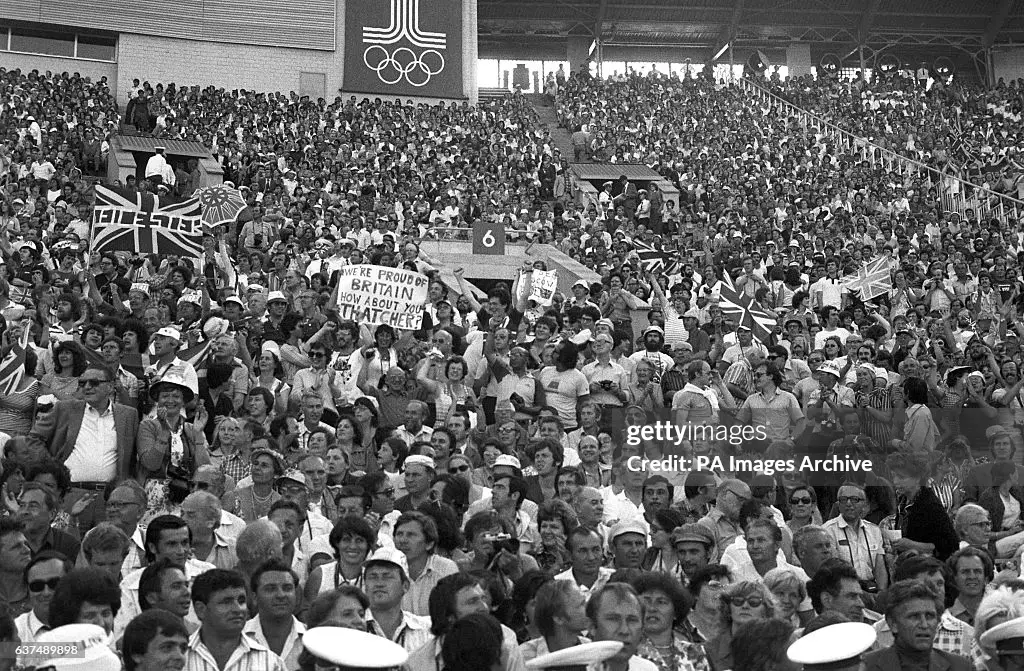
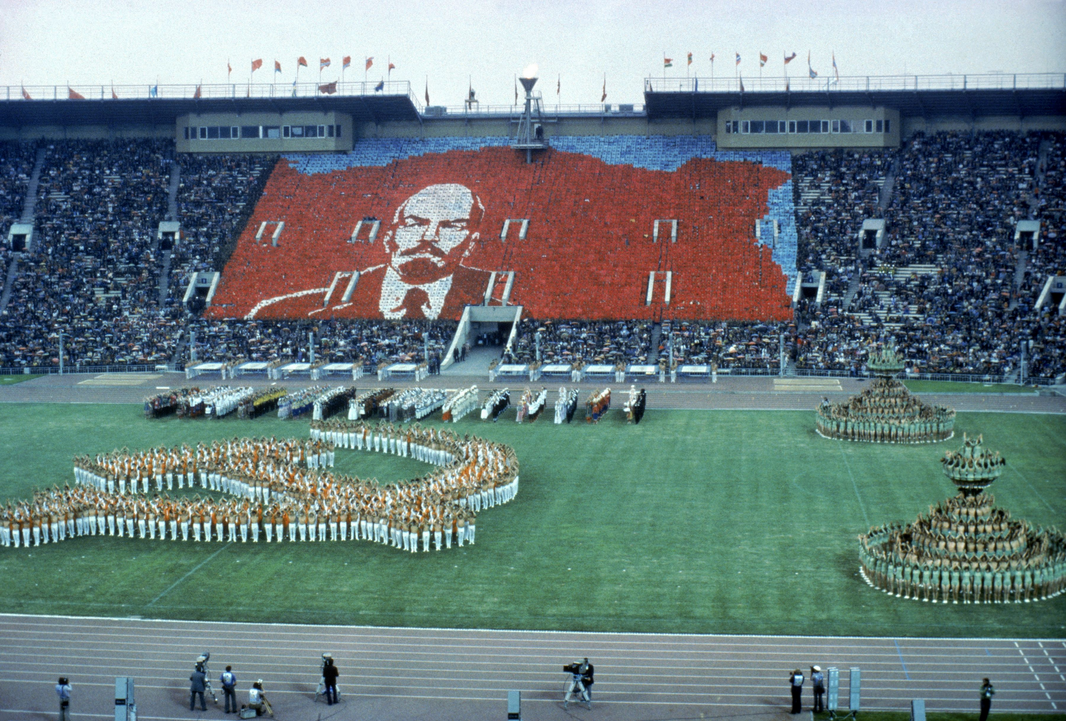
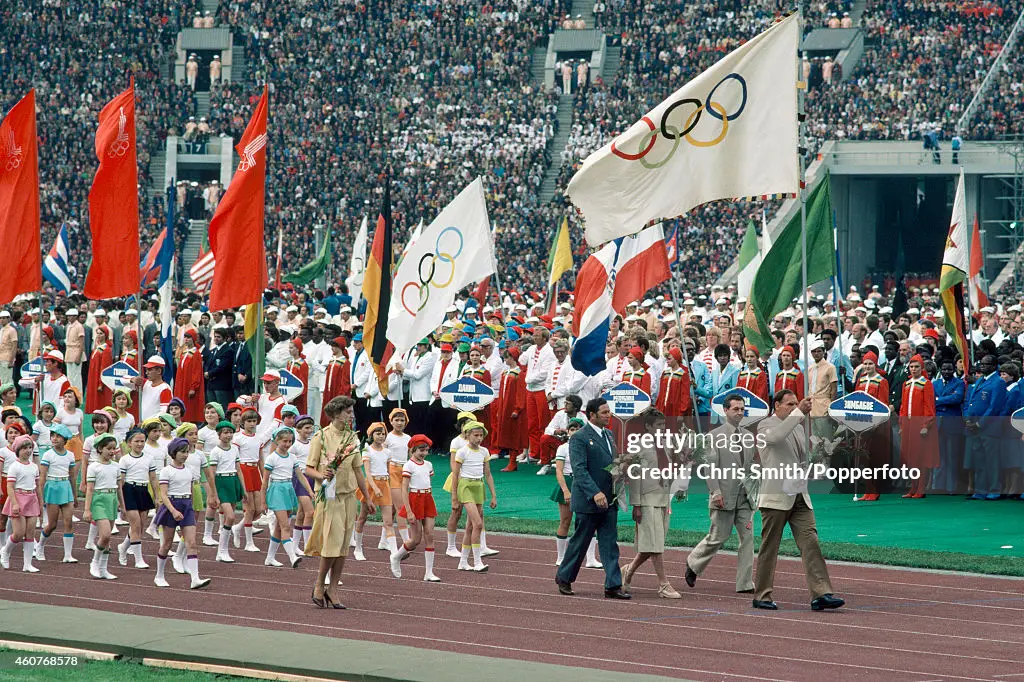
This week, we revisit one of the most politically charged (and frequently forgotten) Olympic Games - the 1980 Summer Olympics in Moscow - with sports historian/author Tommy Phillips ("The 1980 Moscow Olympics: A Day-by-Day History").

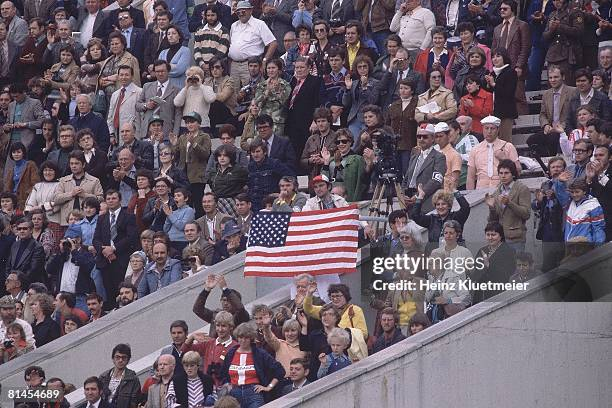
While a much-debated US-led boycott - sparked by the Soviet Union’s brazen invasion of Afghanistan in late 1979 - kept dozens of countries away and fundamentally reshaped the competition, Phillips takes us on the inside to discuss what actually happened once the torch was lit and the athletes took to competition.

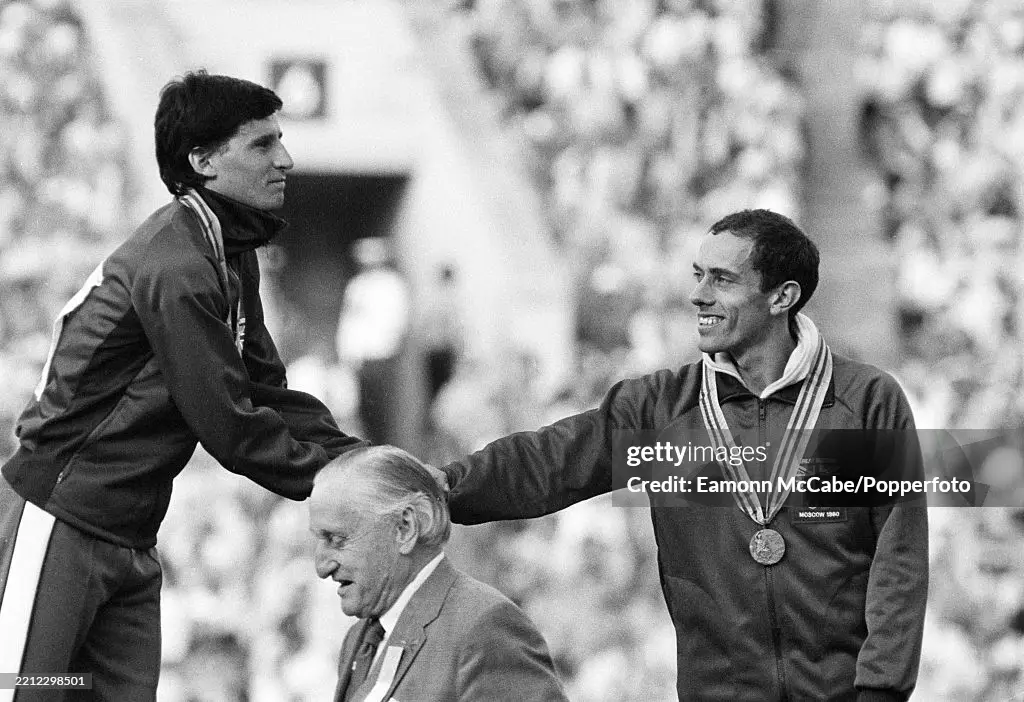
We explore standout performances from Soviet gymnasts, doping-aided East German swimmers, a rogue Austrian equestrian dressage competitor, Great Britain's dueling track duo (Sebastian Coe & Steve Ovett) - and lesser-known athletes from around the globe who seized their moment in the absence of many Western rivals. Phillips also walks us through controversies and logistical missteps that plagued the Games, including judging disputes, wind-aided performances and technical problems, all unfolding within the sleek but tightly controlled confines of the Soviet-run Olympic venues.

Along the way, Phillips shares some of the stranger, more human stories that emerged from his deep dive into archival material. Among them: a massive food fight in the Olympic Village kitchen, pirate TV signals illegally rebroadcasting the Games to viewers in Florida, and the arrest of Rollen Stewart - the eccentric, rainbow-wig-wearing “John 3:16” superfan - who managed to insert himself into the tightly guarded Soviet spectacle. These moments reveal a side of the Games that didn’t make headlines but speak volumes about the surreal atmosphere surrounding them.

PLUS: Our salute to late jazz flugelhorn master Chuck Mangione - and his ABC Sports-commissioned theme for the 1980 Winter Olympic Games earlier that year in Lake Placid, NY!

The 1980 Moscow Olympics: A Day-by-Day History - buy Book Here

EPISODE 390: Sports Broadcaster Jim Lampley

It's a bucket-list conversation this week with legendary sports broadcaster Jim Lampley as he shares insights and anecdotes from his new memoir, "It Happened!: A Uniquely Lucky Life in Sports Television." 

With a career spanning five decades, Lampley takes us behind the scenes of some of the most indelible moments in modern-day sports broadcasting, offering a first-person, blow-by-blow account of history-making assignments, iconic calls, and never-before-told stories - including: 

  • Becoming the first live sideline reporter for a nationally televised college football game;

  • Rising to ABC Sports heir apparency behind legends like Jim McKay and Howard Cosell;

  • Covering an astonishing 14 Olympic Games across multiple networks, including ABC, NBC, and Turner; AND

  • Hosting HBO’s Wimbledon telecasts and reaching Hall of Fame status as the 30-year voice of HBO World Championship Boxing (including his unforgettable call during George Foreman’s miraculous victory over Michael Moorer)

BUT, OF COURSE, we naturally drag "Lamps" back to some of his more “forgotten” stops made along the way, including:

  • Play-by-play and studio host for the original USFL;

  • First-ever host at ground-breaking all-sports radio station WFAN/New York; AND

  • Local news anchor at CBS's Los Angeles O&O flagship KCBS-TV 

It Happened!: A Uniquely Lucky Life in Sports Television - buy here

EPISODE 365: NBC Sports Broadcaster Tom Hammond

Legendary sports broadcaster Tom Hammond ("Races, Games, and Olympic Dreams: A Sportscaster's Life") joins host Tim Hanlon for a myriad of career memories from his nearly 35-year journey calling top-tier league packages and prime events for NBC Sports.

Plucked from regional sportscasting obscurity in 1984 for a one-time stall reporting gig as part of the network's telecast of the inaugural Breeders' Cup, Hammond performed so well that an NBC executive offered him a chance to call Sunday NFL/AFC football games on the spot. 

The broadcast launched Hammond's multi-decade career with NBC Sports and a pathway to the top levels of American television sportscasting -including other major properties like the NBA, Notre Dame football, horse racing's Triple Crown, and perhaps most memorably, an astounding 13 different Olympic Games (summer and winter) calling marquee events such as gymnastics, track and field, and figure skating.

But of course, we can't let Hammond forget his time as the lead voice for the network's curious, but ultimately ill-fated AFL on NBC arena football adventure from 2003-06!

Races, Games, and Olympic Dreams: A Sportscaster's Life - buy here